
The Sidewalk Ballet Field Guide
The Sidewalk Ballet Field Guide is a growing collection of people, organizations, projects, books, ideas and ongoing conversations about cities and the people who shape them. It grows out of the podcast, but extends well beyond it—connecting the people doing the work, the places where it’s happening, and the ideas, experiments and resources worth carrying forward. Think of it as part reference library, part trail of breadcrumbs: a way to follow the conversation wherever it leads.
Explore by type, browse alphabetically or by date, or search for something specific. Follow the tags to discover connections—or explore the map to see where the people, projects and ideas in the Field Guide take us.

This Must Be the Place
This Must Be the Place connects placemaking professionals with meaningful work, ideas, and opportunities. Through its curated newsletter, career resources, and professional directory, the platform helps planners, designers, and community builders find their place in the field—and contribute to places worth loving.

The Social Life of Small Urban Spaces
William H. Whyte's groundbreaking 1980 book and documentary reveal what makes public spaces come alive. Through close observation of New York City's plazas, Whyte explored the importance of seating, sunlight, food, social interaction, and the everyday behaviors that turn ordinary spaces into thriving public places.

William H. Whyte
William H. “Holly” Whyte transformed the study of public space by observing how people actually use cities. Through his pioneering Street Life Project, books, and films, he demonstrated that successful urban places are built around human behavior, social interaction, and the simple pleasures of everyday public life.

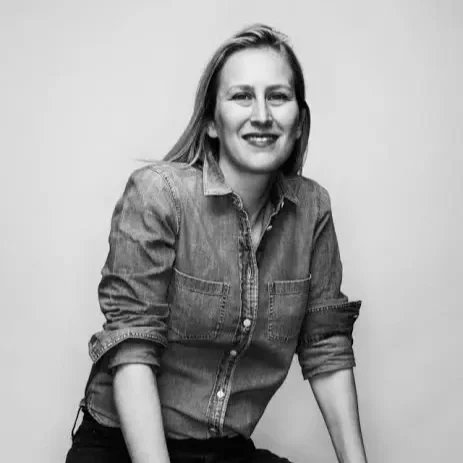
Diana Lind
Diana Lind is a writer, urban policy specialist, and author of Brave New Home. Through her Substack, The New Urban Order, she explores housing, public space, culture, and the changing nature of cities, connecting policy and big ideas to the everyday experience of urban life.

Sheila Foster
Sheila Foster is a leading scholar of cities, democracy, and the urban commons. Her work explores how communities share responsibility for the public spaces, institutions, and resources that shape everyday life—and how collective stewardship can make cities more equitable, democratic, and inclusive.

Co-City Baton Rouge
Co-City Baton Rouge is pioneering community-led redevelopment through an innovative land bank and trust, giving residents a lasting role in shaping and stewarding their neighborhood's future.

NeighborSpace
Chicago's NeighborSpace land trust protects community gardens from development while empowering neighborhood groups to manage and steward shared green spaces as urban commons.

Community Arts Stabilization Trust
San Francisco's Community Arts Stabilization Trust helps artists and cultural organizations secure affordable, permanent spaces, pioneering new models of community ownership and cultural preservation.

Elinor Ostrom
Nobel Prize-winning political scientist Elinor Ostrom challenged the “tragedy of the commons,” demonstrating how communities can successfully govern shared resources through cooperation, collective responsibility, and locally developed rules.
People's Choice Communications
Founded by striking cable workers in New York City, People's Choice Communications is reimagining internet access through cooperative ownership and community-controlled broadband infrastructure.

Solar Commons
Turning sunlight into shared community wealth, Solar Commons uses community trusts to ensure that the economic benefits of solar energy support local priorities and collective decision-making.

Justin de Benedictis-Kessner
Justin de Benedictis-Kessner studies urban politics and the surprisingly difficult question of accountability: when something in a city works—or doesn’t—do residents actually know who is responsible? His work explores how complex institutions, elections, media, and everyday public services shape the relationship between cities and the people they serve.


Morgan Berman
Morgan Berman is a Philadelphia-based entrepreneur and community leader working at the intersection of technology, civic life, and social impact. She is the founder of Glitter, a neighborhood-based street-cleaning platform that enables residents and businesses to collectively fund recurring litter removal while creating paid local jobs. Her work explores community agency, public space, and a deceptively simple question: when something needs doing in our cities, whose responsibility is it?

Office of Mass Engagement
New York City’s Office of Mass Engagement brings the practices of grassroots organizing into City Hall, seeking to move public engagement beyond meetings and feedback sessions toward sustained participation in governing. Created by Mayor Zohran Mamdani in 2026, the office asks what happens when residents are treated not as an audience for government, but as active participants in it.

Zohran Mamdani
Zohran Mamdani is the Mayor of New York City. His administration has experimented with bringing organizing directly into city government, including the creation of the Mayor’s Office of Mass Engagement to expand the ways New Yorkers participate in shaping public decisions.

Boston Office of Civic Organizing
The Boston Office of Civic Organizing works to make it easier for residents to participate in civic life and take action in their neighborhoods. Its programs range from civic leadership and neighborhood events to micro-grants, mobile City Hall services, and Love Your Block, which supports resident-led neighborhood cleanups. The office describes its role as reducing barriers to civic participation and helping residents “connect, collaborate and take action.”

Antanas Mockus
Antanas Mockus is a mathematician, philosopher, educator, and former mayor of Bogotá who used mimes, humor, symbolism, art, and social experiments to explore a radical idea: that cities can intentionally cultivate how citizens behave toward one another.