

Sidewalk Ballet
Local Government and the FOG of Accountability
Political scientist Justin de Benedictis-Kessner and Glitter founder Morgan Berman join Chip for two conversations about local government, civic life, and the complicated question of accountability. When responsibility for making a city work is spread across elected officials, public agencies, private contractors, nonprofits, and others, how do we know who deserves the credit when things go right—and who to hold accountable when they don’t?
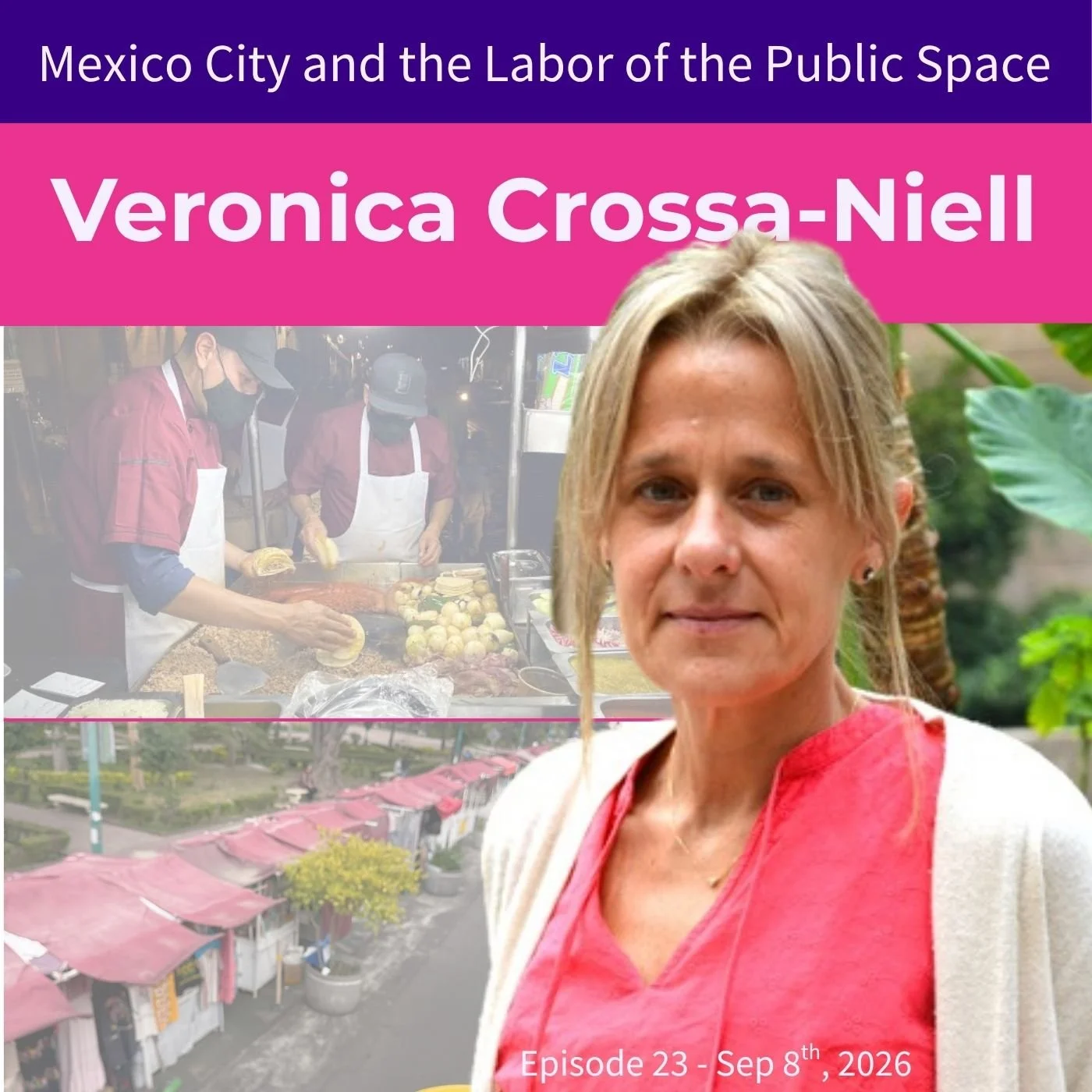
Mexico City and the Labor of Public Space
Geographer Verónica Crossa joins The Sidewalk Ballet in Mexico City for a conversation about street vending, labor in public space, and why the familiar divide between the “formal” and “informal” city may not tell us very much about how cities actually work.
3 Questions in Toronto
Recorded at the International Downtown Association Annual Conference in Toronto, this bonus episode brings together voices from downtowns across North America and beyond. Chip asks a group of downtown leaders what’s exciting them about the future of the field, what’s happening in their own communities, and one question chosen at random. From San Diego and Chicago to Tampa, the Quad Cities, Cleveland, Washington DC, Colorado Springs, Canberra and Toronto, it’s a lively snapshot of the people, ideas, and optimism shaping downtowns today.
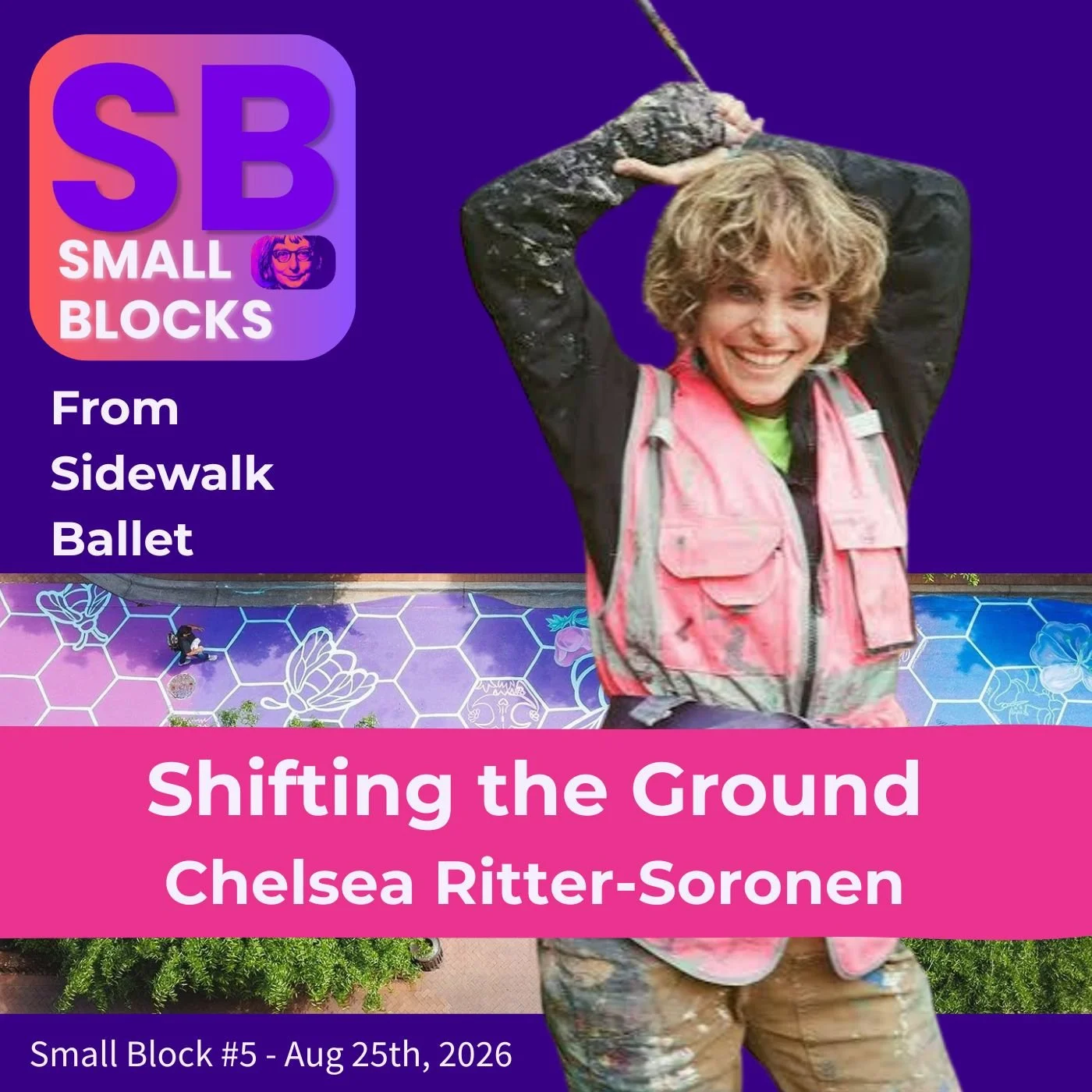
Small Block - Shifting the Ground
How much of a city is the ground beneath our feet? Sidewalks, streets and plazas make up an enormous part of the urban landscape, but most of the time we barely notice them.
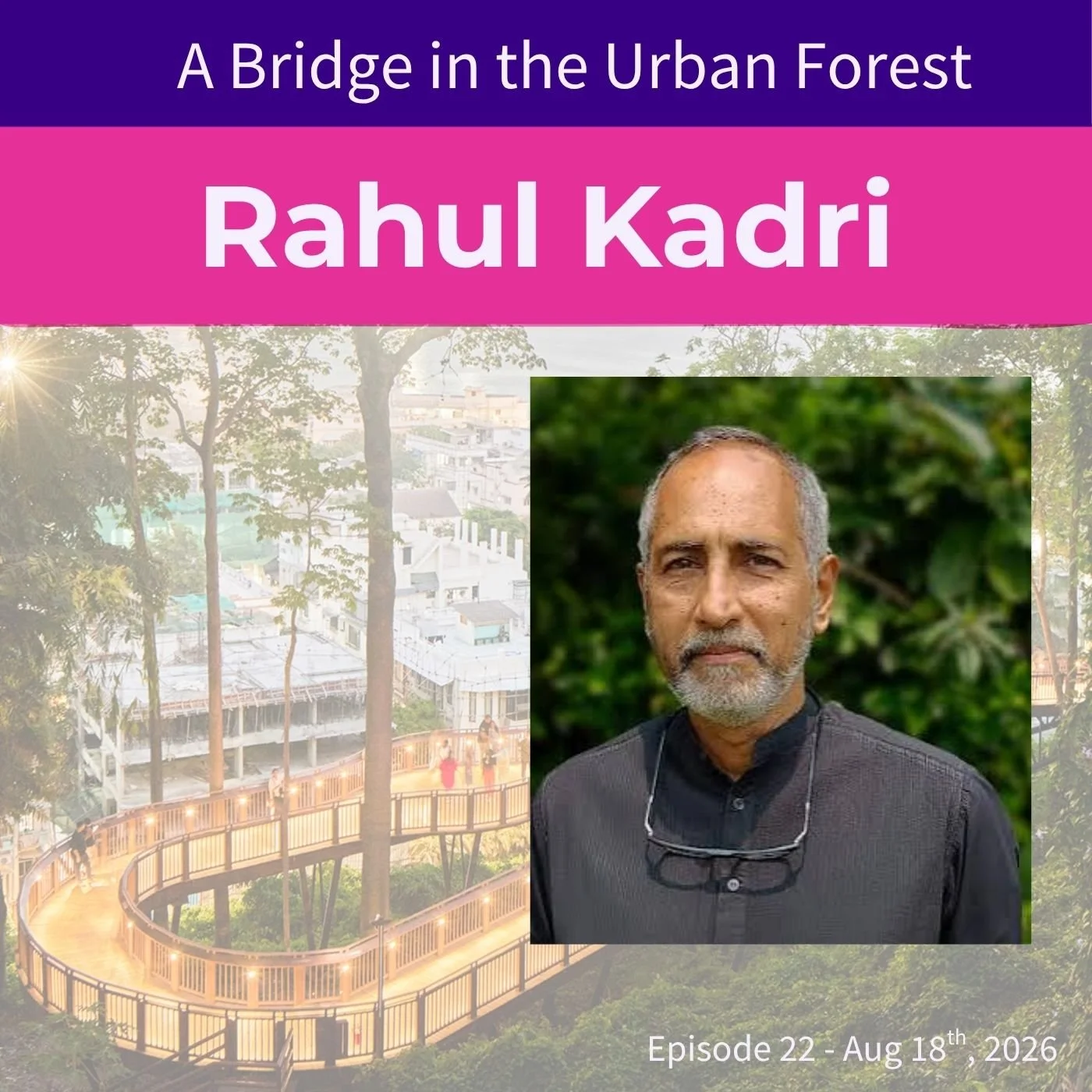
Rahul Kadri
Mr. Rahul Kadri is Principal Architect & Partner at I.M.Kadri Architects and the visionary behind the Malabar Hill Forest Trail.
In this episode Chip and Rahul discuss creating public green space in one of the most dense cities in the world. Plus participatory planning, designing for community and collaborative approches to architectural design.
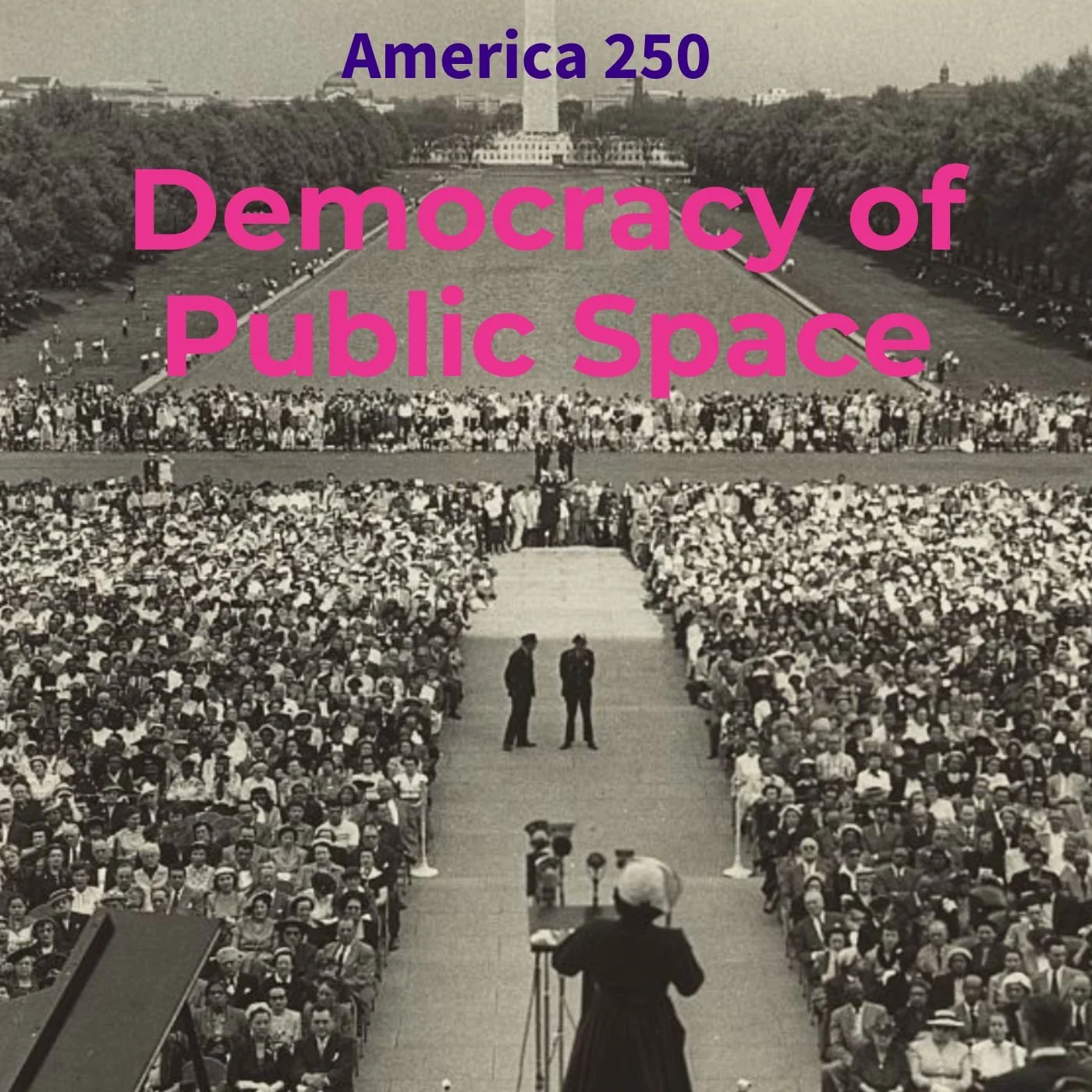
Democracy of Public Space
The Constitution begins with "We the People." The rest of the American story is, in many ways, the unfolding of who becomes "We."
The Democracy of Public Space – Part One: Do We Mean It? traces the evolution of the National Mall from an unfinished vision into one of the world's great civic stages, culminating in Marian Anderson's historic 1939 concert at the Lincoln Memorial.
This is the story of an unfinished vision, a civic stage, and the generations of people who continue the work of becoming "We."
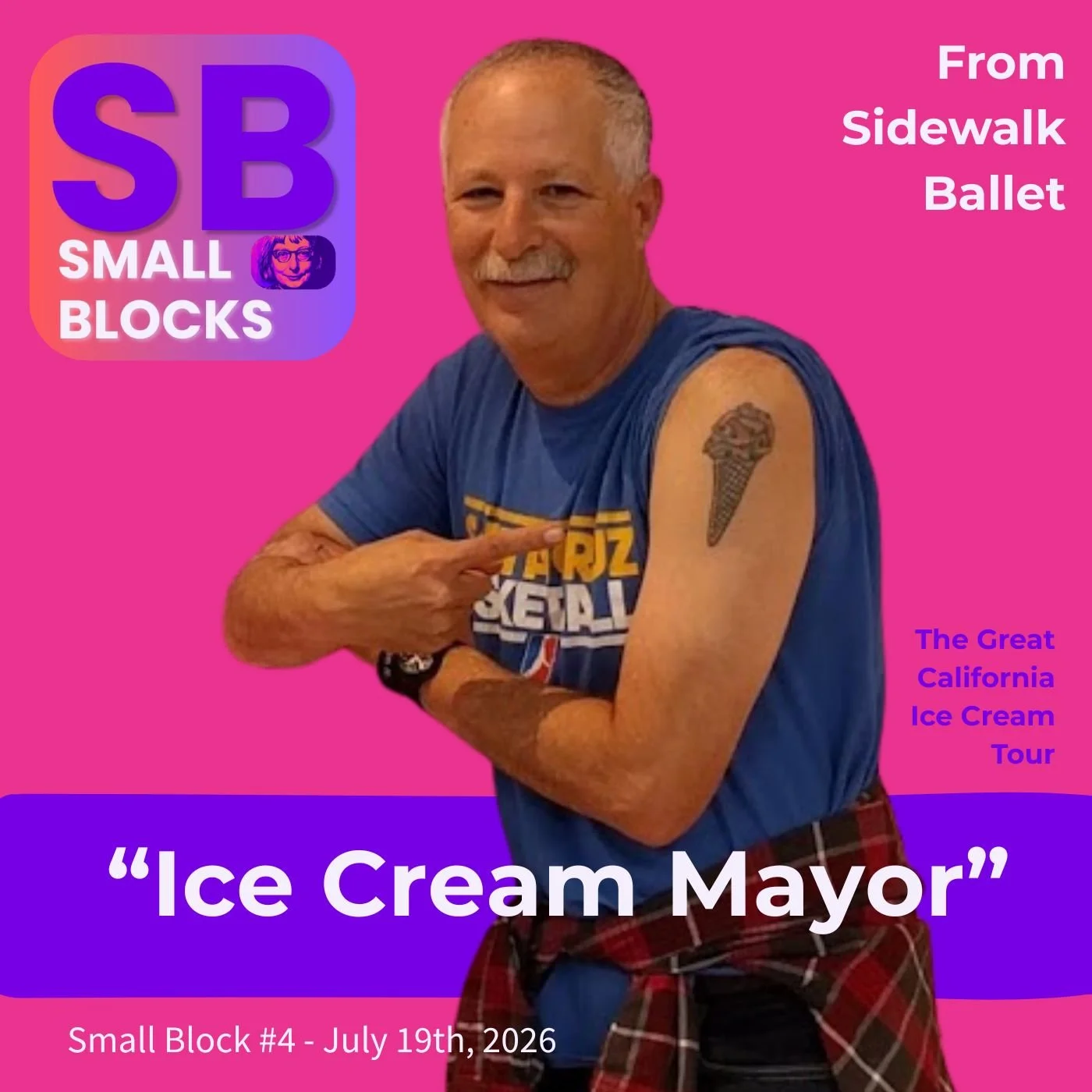
The Ice Cream Mayor
Former Santa Cruz Mayor Don Lane is spending National Ice Cream Month on an ambitious quest to visit nearly 100 artisan ice cream shops across California. But this isn't just a story about frozen desserts. It's about joy, citizenship, and what happens when someone approaches every neighborhood as an advocate for the people who make it special. Join Chip for a few scoops—and a conversation about the surprisingly civic power of ice cream.
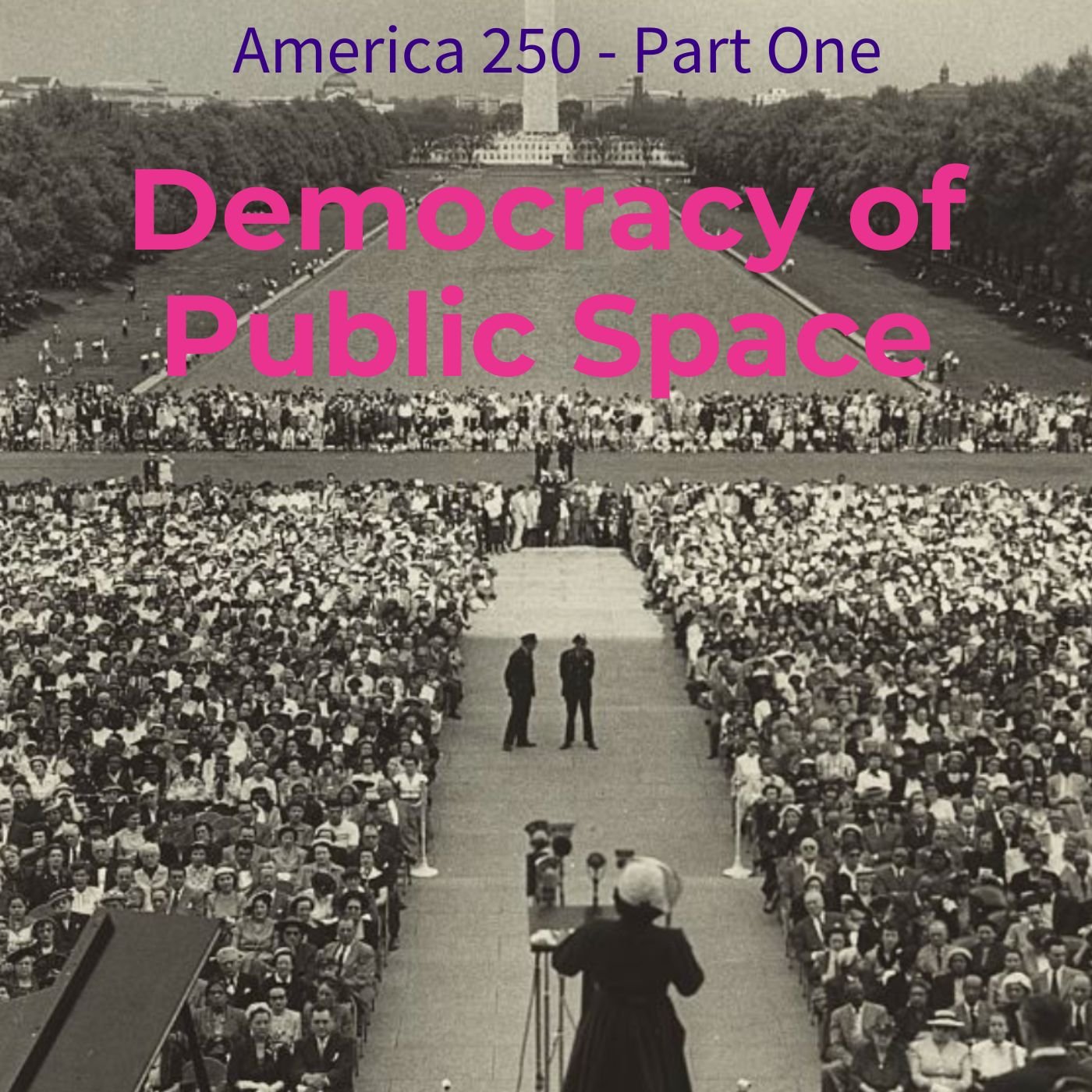
Democracy of Public Space - Part One
The Constitution begins with "We the People." The rest of the American story is, in many ways, the unfolding of who becomes "We."
The Democracy of Public Space – Part One: Do We Mean It? traces the evolution of the National Mall from an unfinished vision into one of the world's great civic stages, culminating in Marian Anderson's historic 1939 concert at the Lincoln Memorial.
This is the story of an unfinished vision, a civic stage, and the generations of people who continue the work of becoming "We."
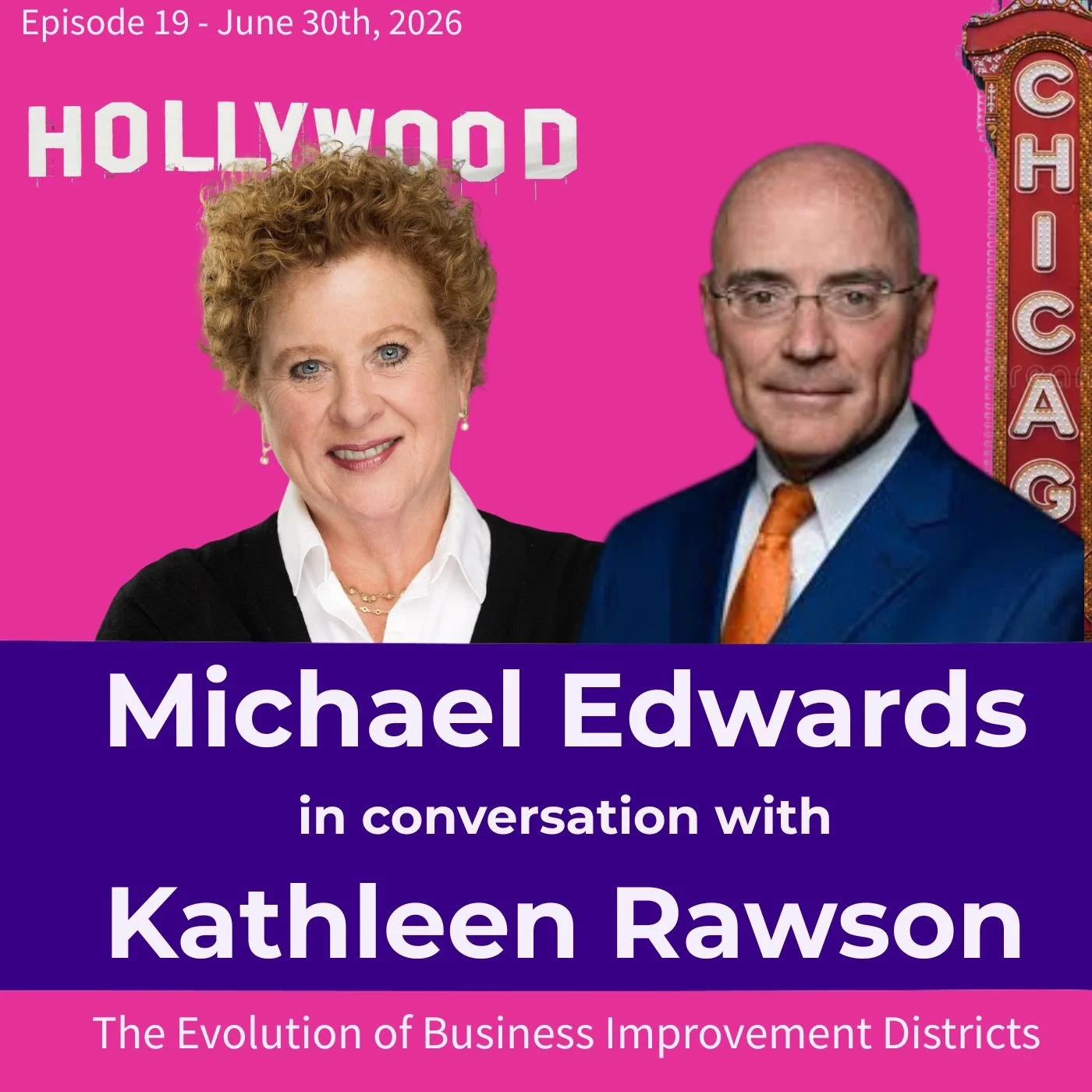
The Evolution of B.I.D.’s
Business Improvement Districts have transformed the way many communities care for and invest in their downtowns—but the profession behind them has evolved just as dramatically.
In this conversation, two of the field's most respected voices, Michael Edwards and Kathleen Rawson, reflect on the origins of BIDs, the changing role of downtown management, and the leadership required to navigate an increasingly complex urban landscape. Whether you're a downtown practitioner, civic leader, or simply curious about the people working behind the scenes to shape great places, this episode offers a thoughtful look at how the profession has grown—and where it may be headed next.
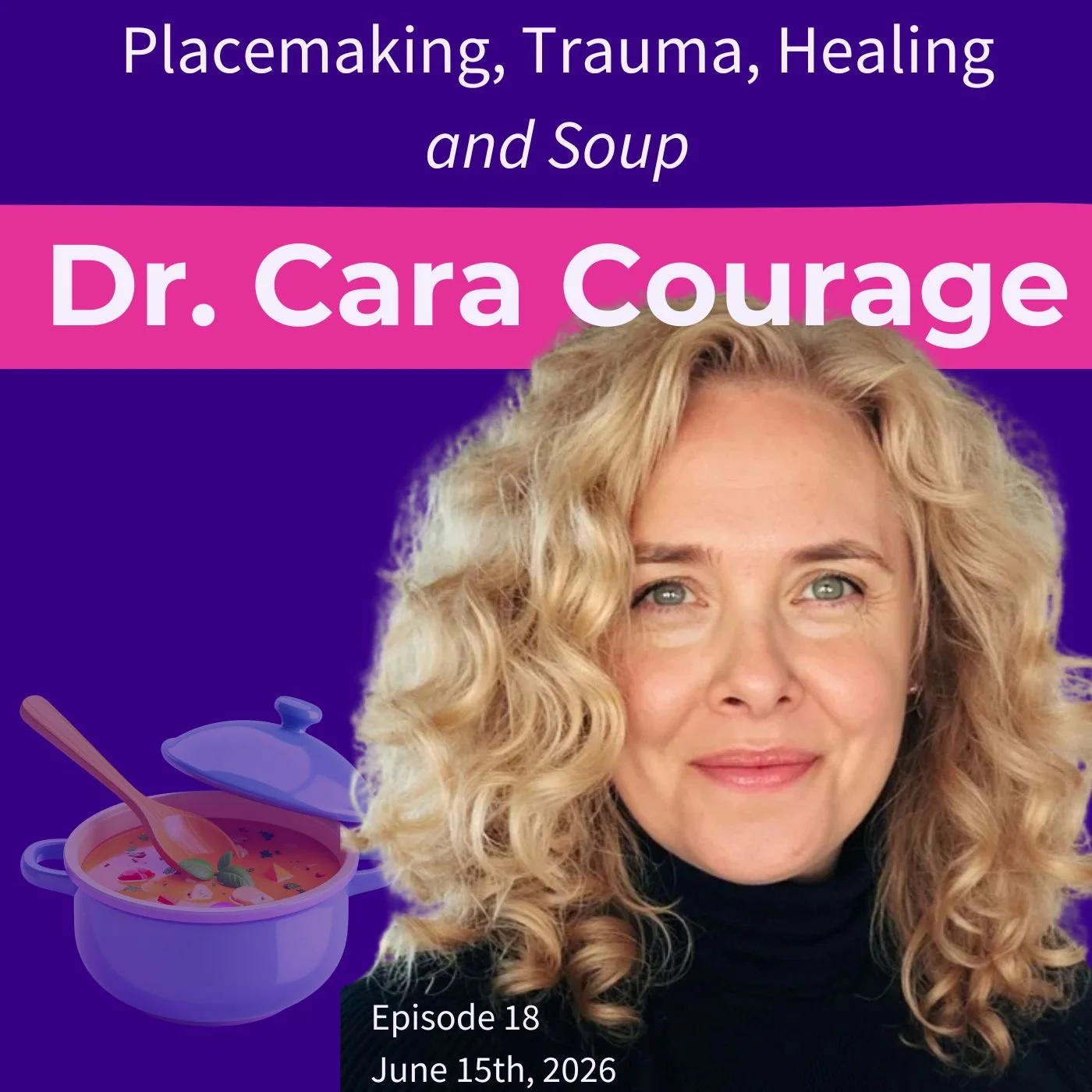
Cara Courage - Trauma-Based Placemaking
Cara Courage is a researcher, author, educator, and internationally recognized placemaking practitioner whose work explores the intersection of people, place, culture, and community. In this conversation, she joins Chip to discuss the evolution of placemaking, the growing field of trauma-informed placemaking, and how places can foster, healing, and connection.
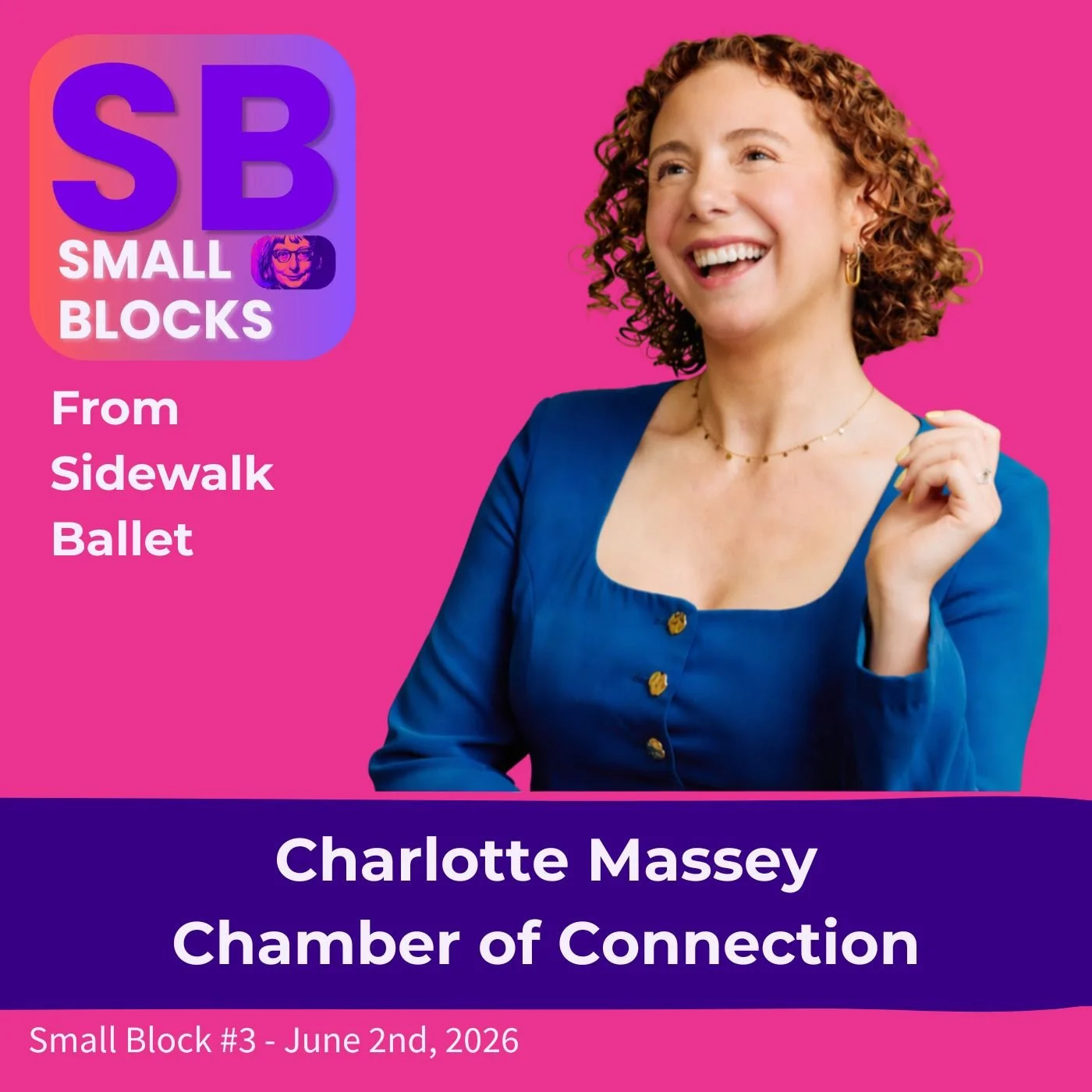
US Chamber of Connection
Connection takes effort.
It takes showing up. Returning. Participating. Making room for other people in our lives.
A short conversation about friendship, third places, belonging, and why service may be one of the shortest paths to community.
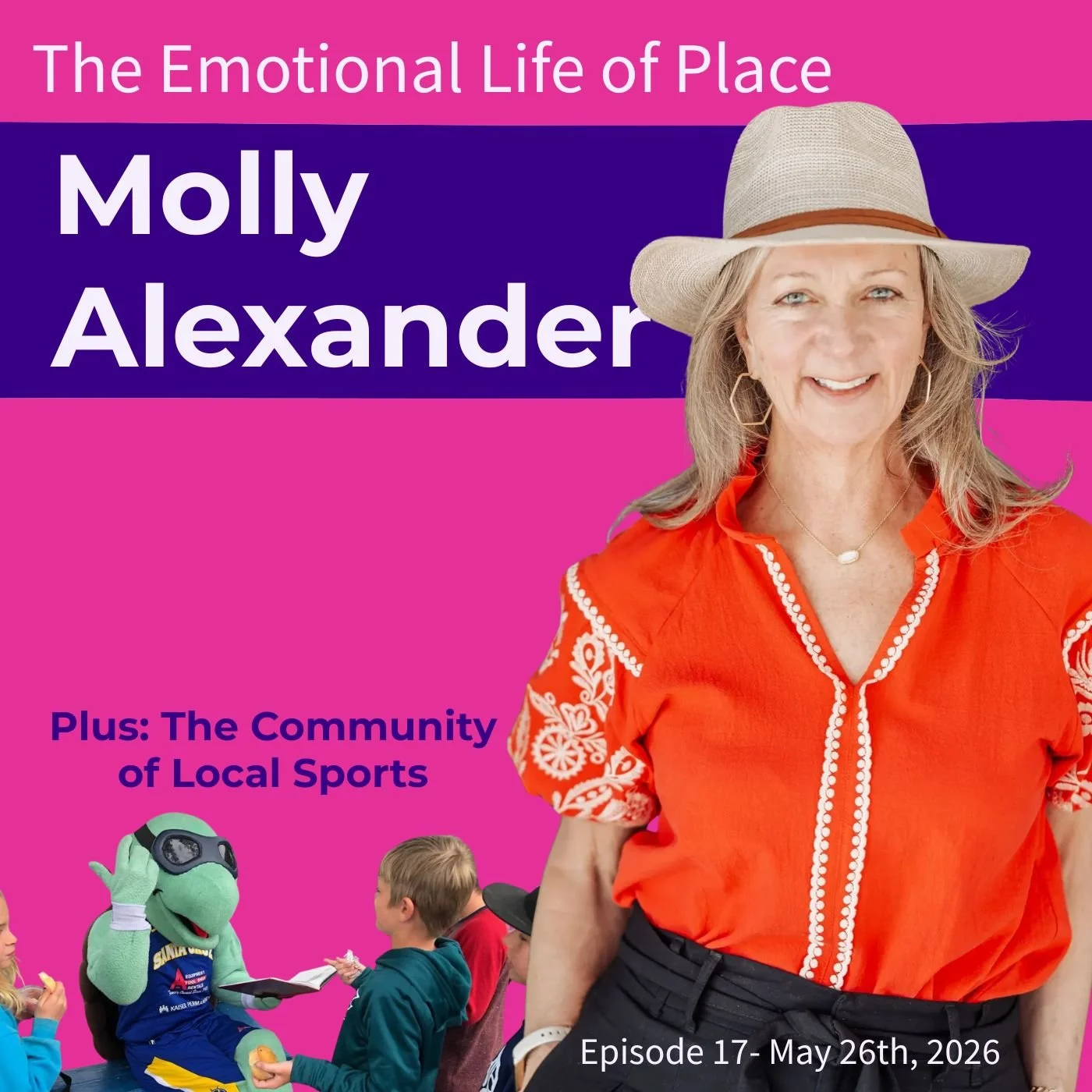
The Emotion of Place - Molly Alexander
What makes people feel connected to a place?
In this episode of Sidewalk Ballet, Chip explores the idea of “Return on Emotion” with downtown strategist Molly Alexander — examining how joy, belonging, trust, shape the emotional life of communities.
Featuring a conversation with Santa Cruz Warriors President Chris Murphy and a reflection on an iconic Bay Area moment this episode explores the power of emotional connections to place and community.
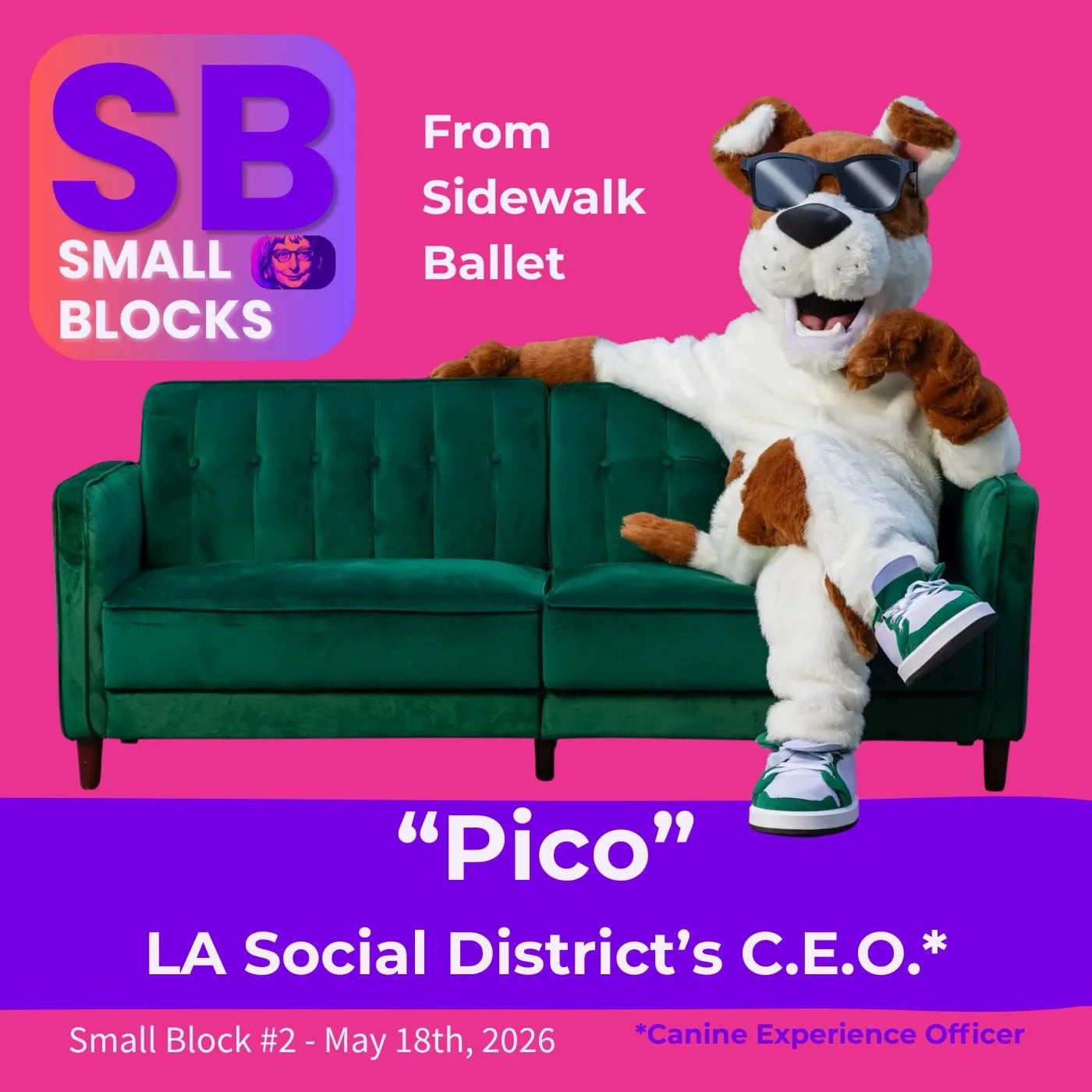
PICO - The District Dog
In downtown Los Angeles, the Social District may have found the perfect face for a neighborhood: Pico, their beloved canine mascot and “Chief Experience Officer.”
In this Small Block, Chip talks with Nolan Marshall about mascots, place identity, community connection, and how a little joy can help make a big city feel human-scale.
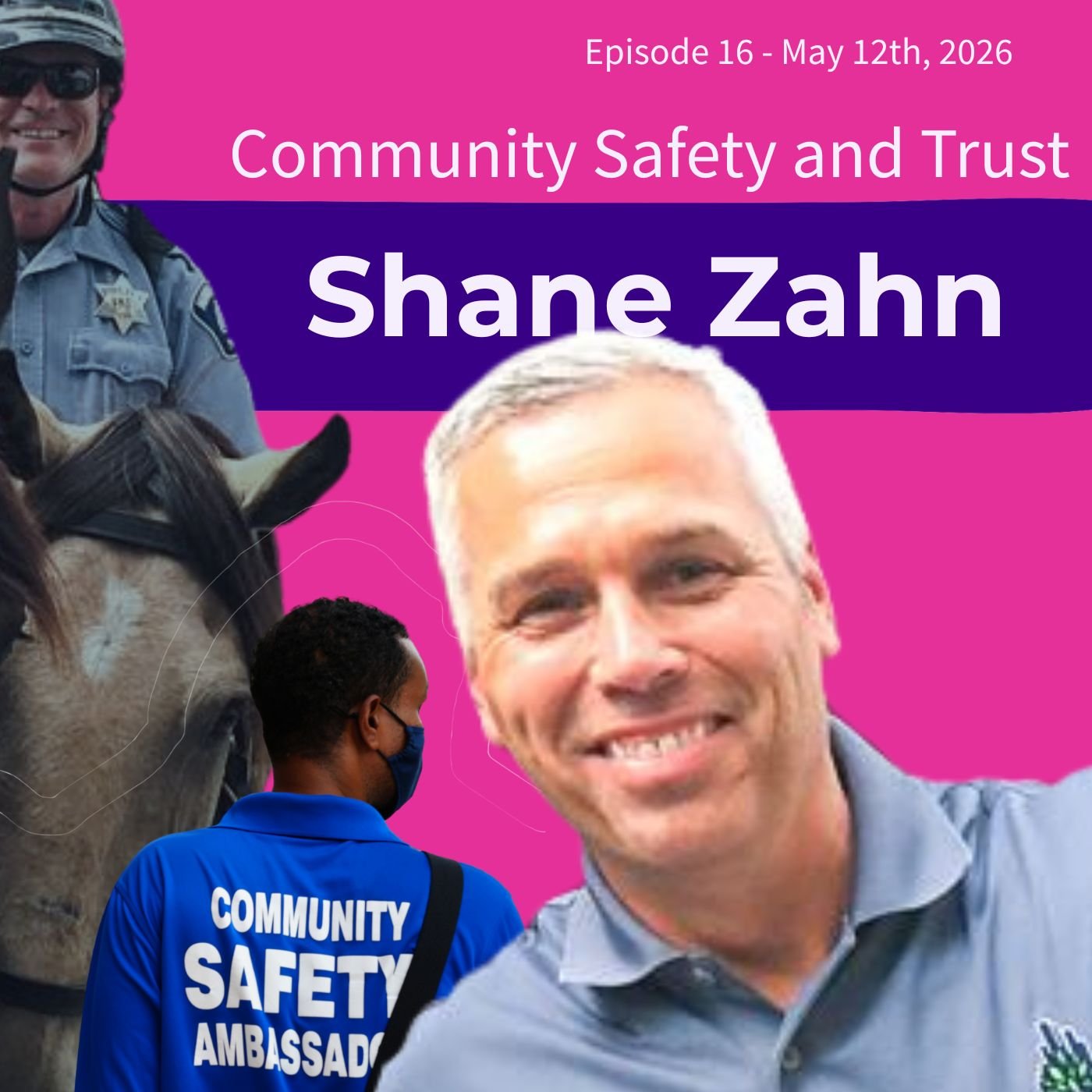
Community Safety - with Shane Zahn
Downtowns sit at the intersection of public life and private interest — places where questions around trust, safety, belonging, and authority become deeply visible.
In this episode, Chip talks with Shane Zahn of the Minneapolis Downtown Council about the evolving role of Business Improvement Districts, public safety, and civic stewardship in downtown Minneapolis.
Together, they explore what it means to build trust in public space at a moment when communities increasingly experience safety, authority, and accountability in very different ways.
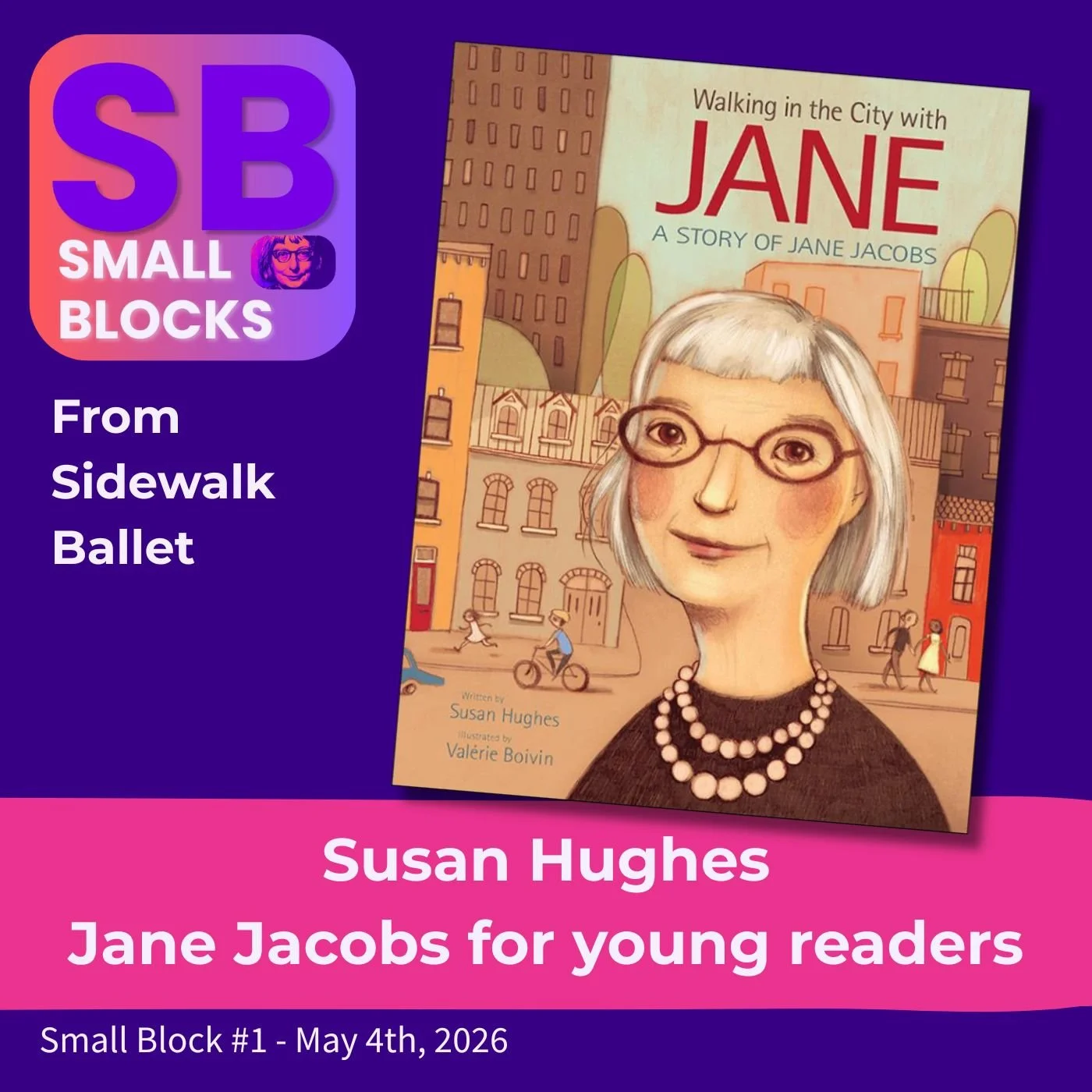
Jane Jacobs for the Young Reader
To Celebrate Jane Jacob's Birthday, Sidewalk Ballet is launching a new series of bonus episodes that we are calling Small Blocks. Short stories about people and places that you can listen to when you just have a few minutes.
Our first Small Block comes from Susan Hughes, a Children's book writer from Toronto and her story about, well, Jane.
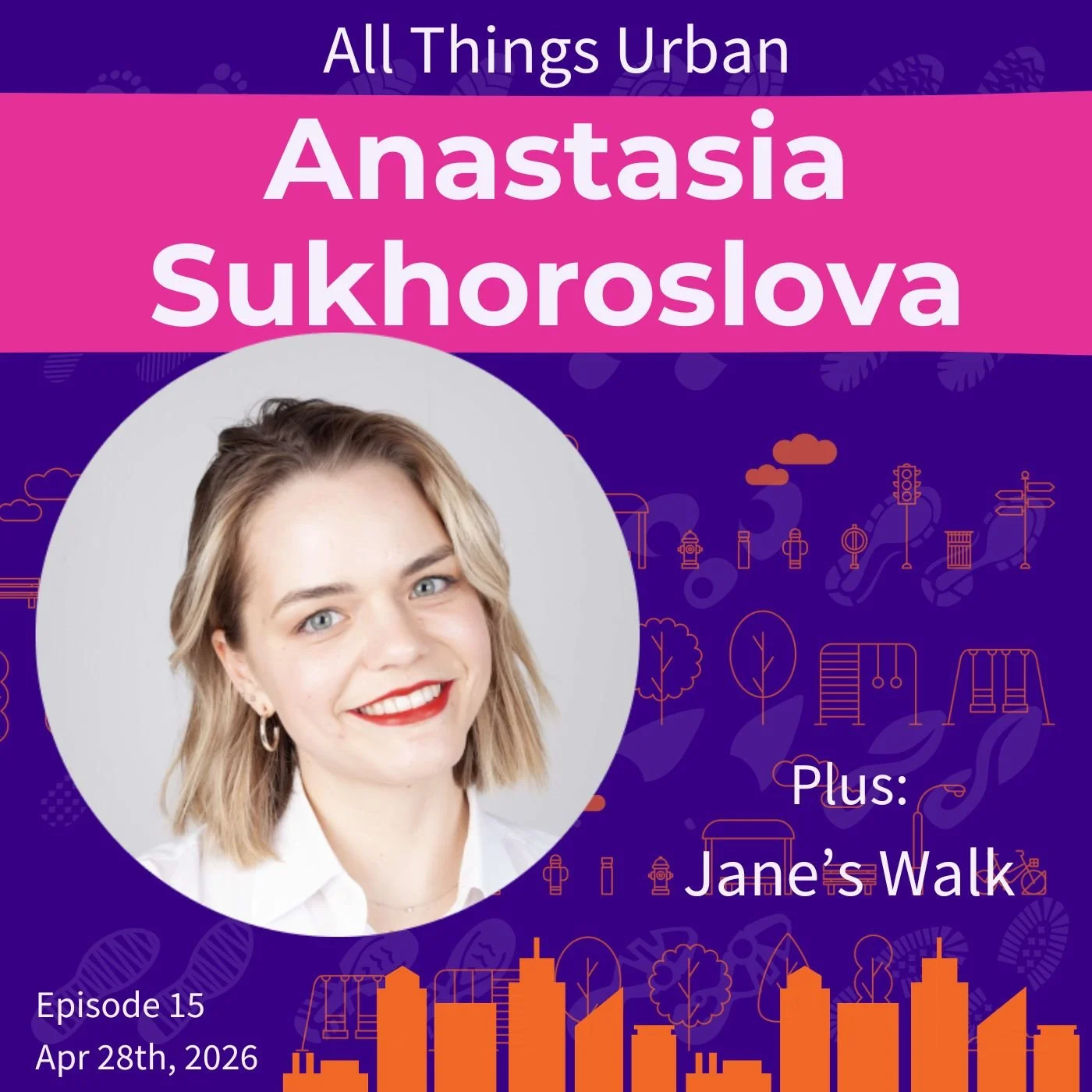
Anastasia Sukhoroslova
What does “urbanism” mean today?
In this episode, Chip talks with Anastasia Sukhoroslova about how ideas about cities move—across neighborhoods, across countries, and across a growing global network of urbanists.
Timed with Jane's Walk, the conversation connects the hyper-local observations of Jane Jacobs to the way urbanism is practiced today—exploring the tension between shared ideas and the unique context of every place.
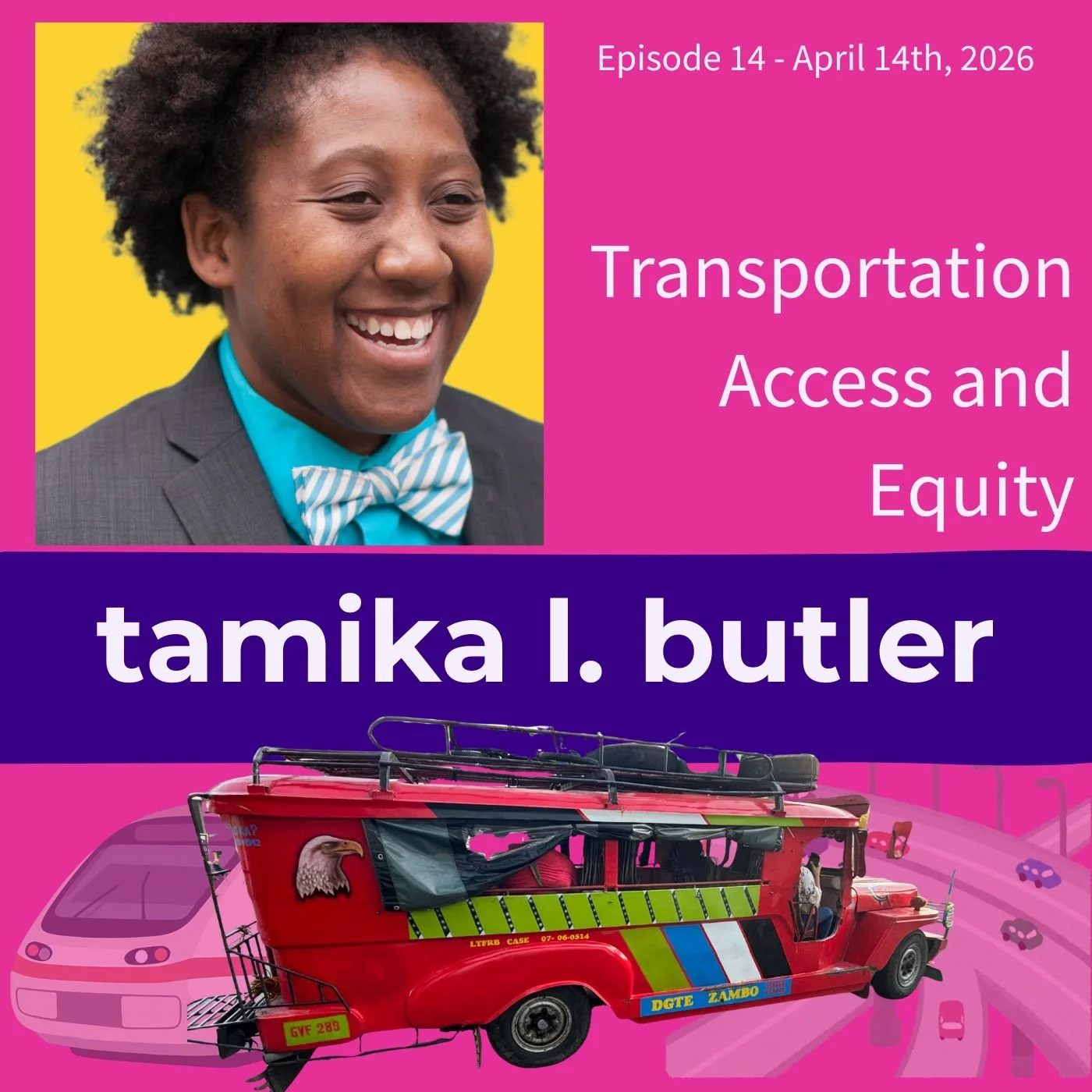
tamika l. butler
tamika l. butler reflects on what it takes to build transportation systems that serve people—not just efficiently, but equitably. Paired with immersive field report from the Philippines about Jeepneys and for-hire vehicles, the episode explores how movement systems evolve: through need, policy, technology, and the people who shape them every day.
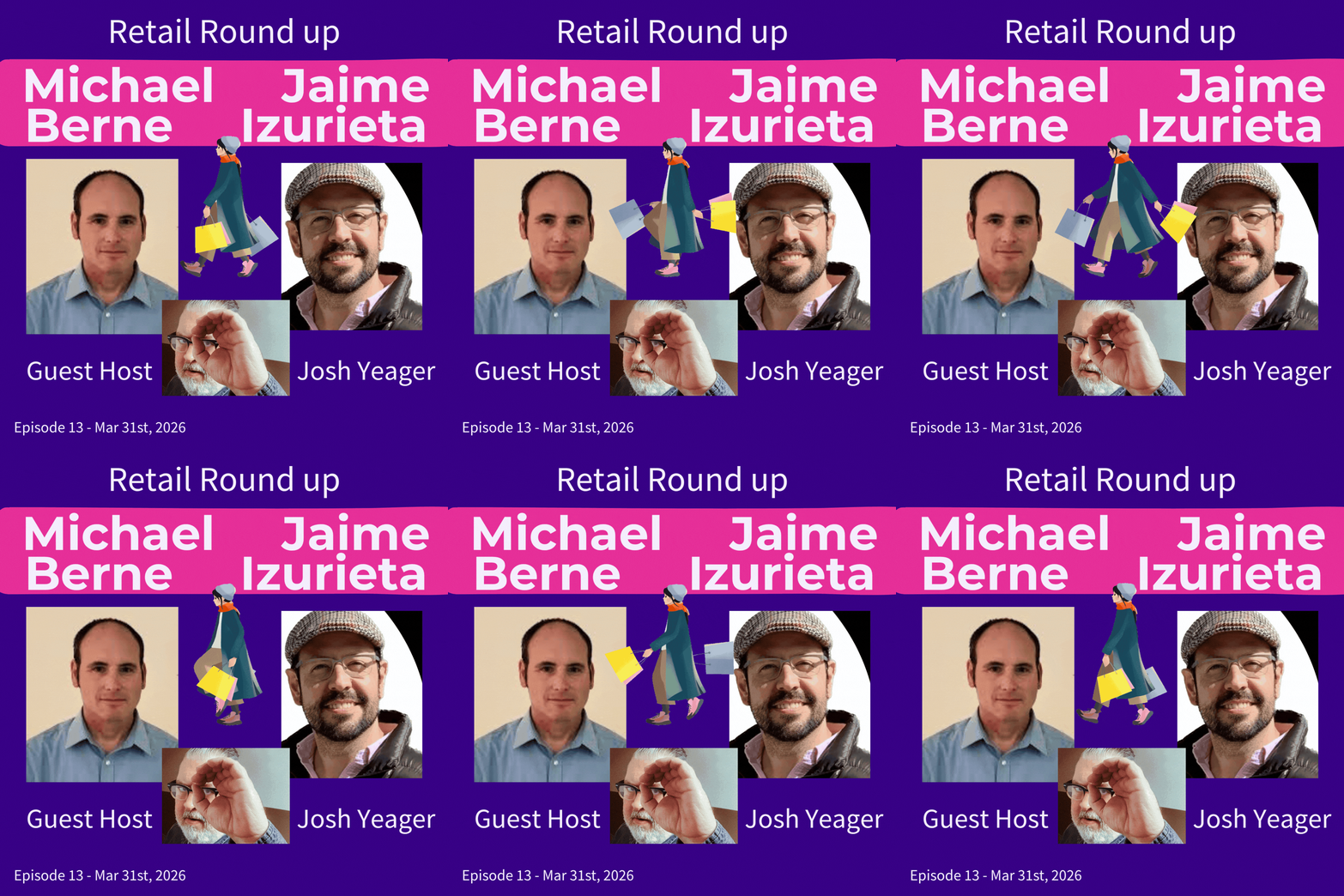
Retail Roundup
Retail is constantly being redefined—but it still plays a central role in how cities function.
In this episode, guest host Josh Yeager joins Michael Berne and Jaime Izurieta to explore how retail is evolving on the ground—from dwell time and hospitality to what actually makes a storefront succeed—and why it still matters for the health of our streets and downtown districts.
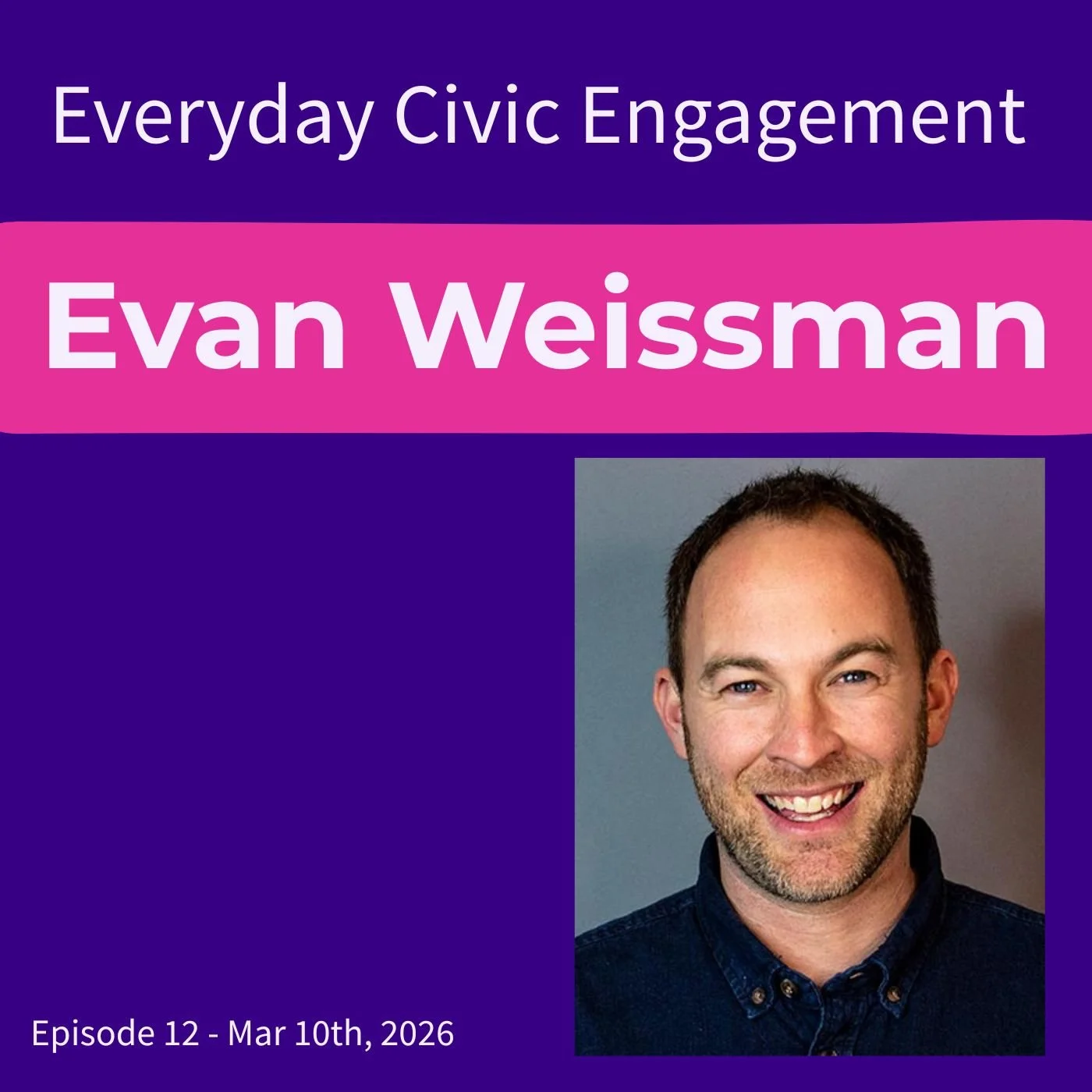
Evan Weissman
Democracy doesn’t disappear all at once — it weakens when people stop getting the chance to practice it. In this season finale, The Sidewalk Ballet closes with a conversation with Evan Weissman of Warm Cookies of the Revolution about joy, participation, and what it means to show up locally. It’s a reflection on why civic life needs more than expertise — it needs invitations, practice, and people willing to step in together.
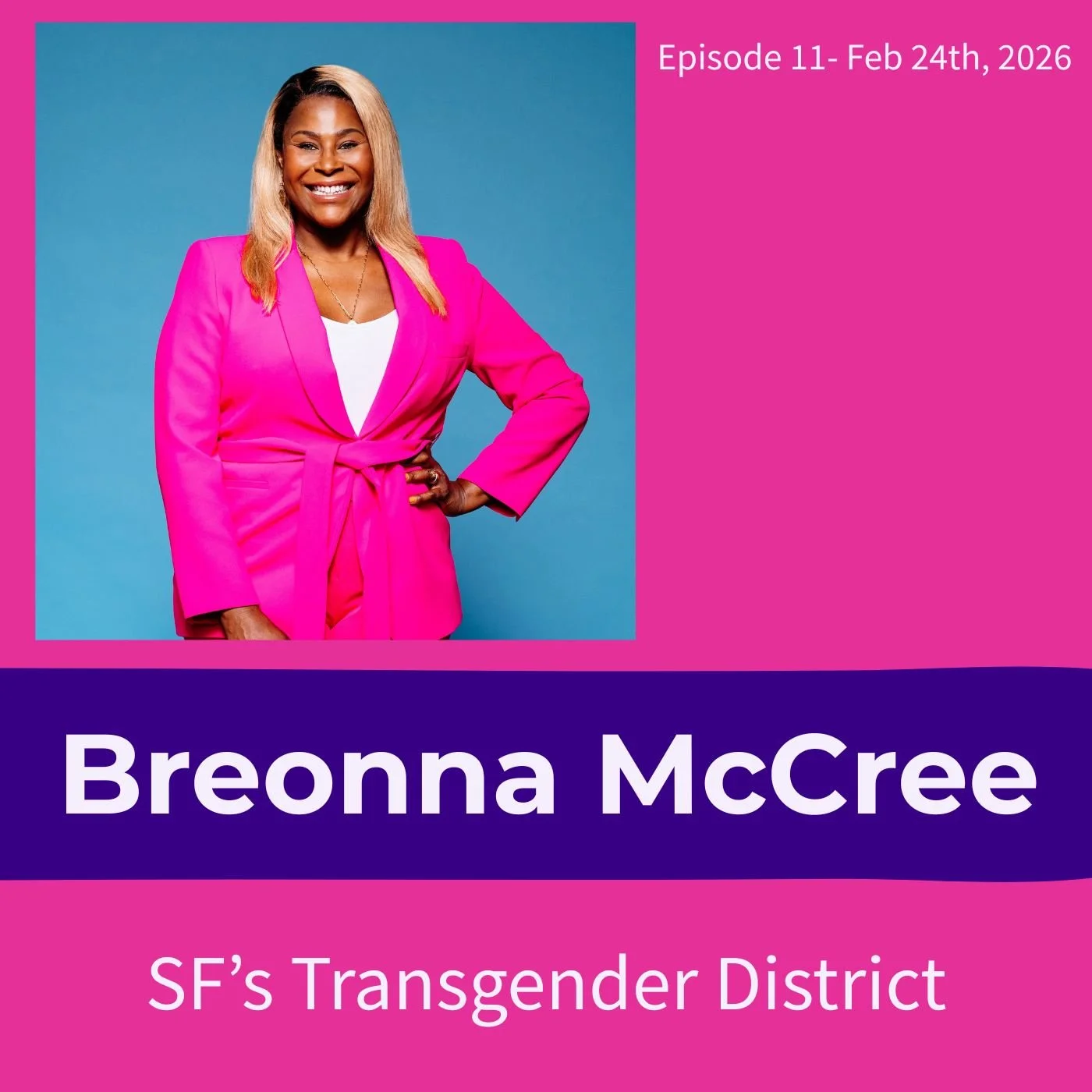
Breonna McCree
San Francisco’s Tenderloin has long been a place of containment — and of community. From the 1966 Compton’s Cafeteria Riot to today’s fight over who controls the building where it happened, this episode explores how belonging moves from survival to assertion. In conversation with Breonna McCree, Co-Director of the Transgender District, we examine what it means to name a neighborhood, reclaim a site, and build cities that remember.