William H. “Holly” Whyte (1917–1999) helped change the way we understand public space by doing something remarkably simple: watching people.
A journalist and editor at Fortune magazine, Whyte first gained national attention with his 1956 bestseller The Organization Man, an examination of American corporate culture and conformity. His interests later turned toward cities and the relationship between the built environment and human behavior.
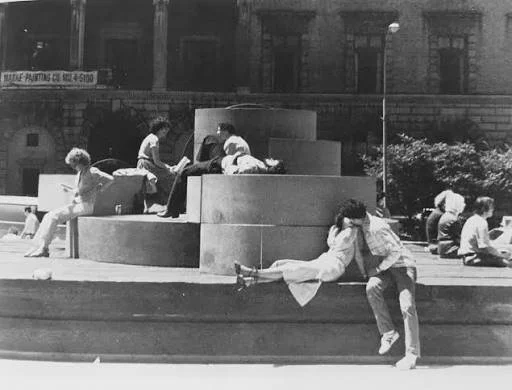
In 1970, Whyte established the Street Life Project, bringing researchers and cameras into New York City's plazas, sidewalks, and parks to observe how people used public spaces. Their findings challenged conventional assumptions about urban design. Successful places weren't necessarily the grandest or most architecturally impressive. They were places where people could sit, encounter one another, eat, linger, and participate in city life.
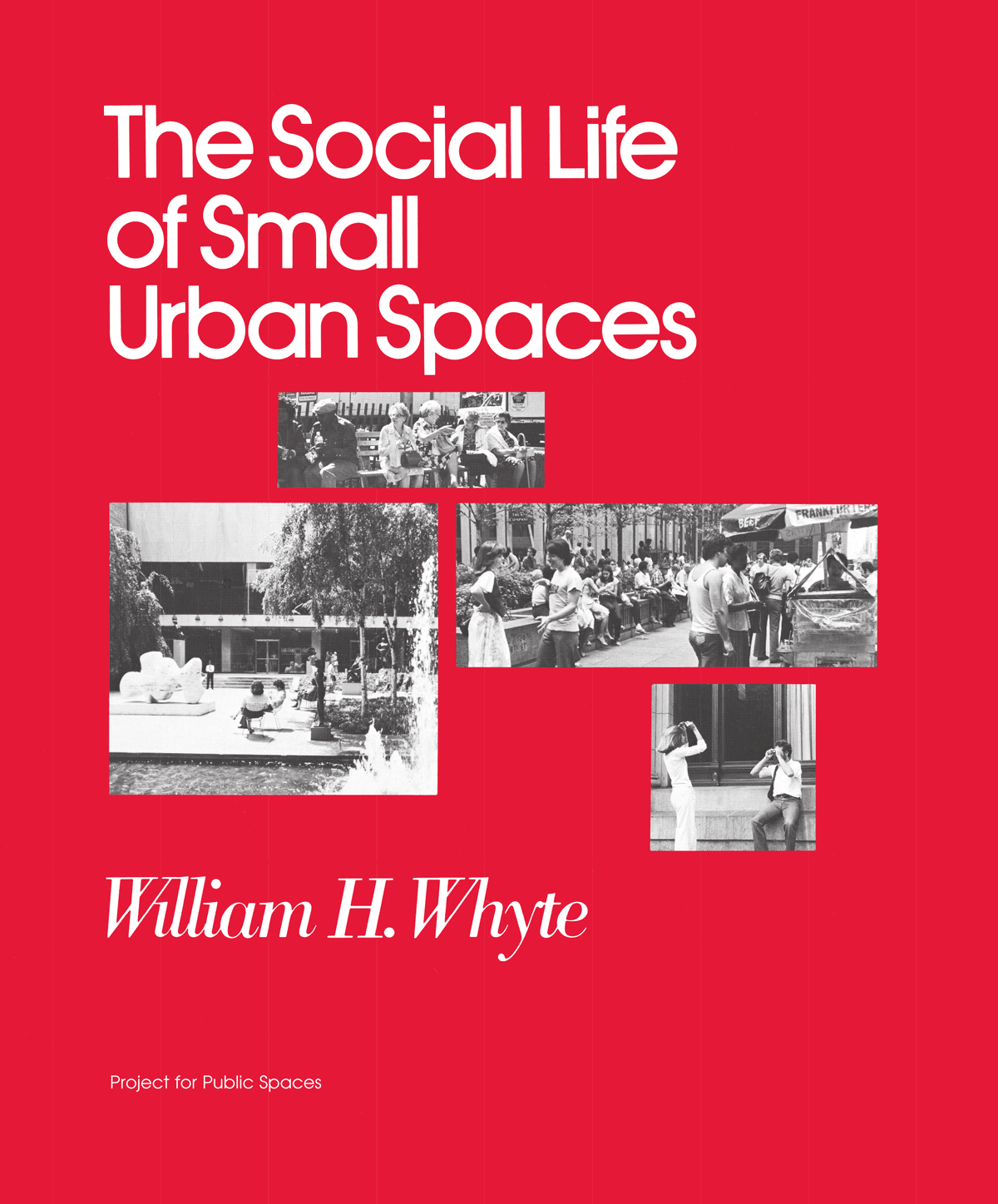
His observations became the foundation of The Social Life of Small Urban Spaces (1980), a book and documentary film that remain essential resources for understanding public life. His later book, City: Rediscovering the Center (1988), expanded that exploration to the broader urban environment.
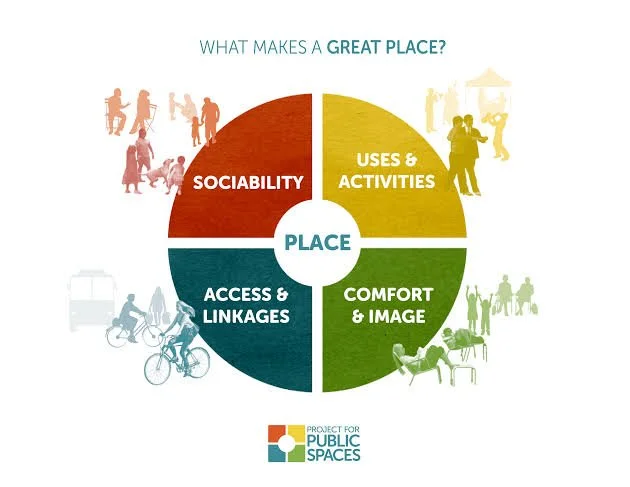
Whyte's research helped inspire the founding of Project for Public Spaces, while his methods of direct observation and behavioral mapping became foundational to modern placemaking.
His most enduring contribution was a change in perspective: the success of a public space should be measured not simply by how it looks, but by the life that happens within it.
Find more connections to