
The Sidewalk Ballet Field Guide
The Sidewalk Ballet Field Guide is a growing collection of people, organizations, projects, books, ideas and ongoing conversations about cities and the people who shape them. It grows out of the podcast, but extends well beyond it—connecting the people doing the work, the places where it’s happening, and the ideas, experiments and resources worth carrying forward. Think of it as part reference library, part trail of breadcrumbs: a way to follow the conversation wherever it leads.
Explore by type, browse alphabetically or by date, or search for something specific. Follow the tags to discover connections—or explore the map to see where the people, projects and ideas in the Field Guide take us.
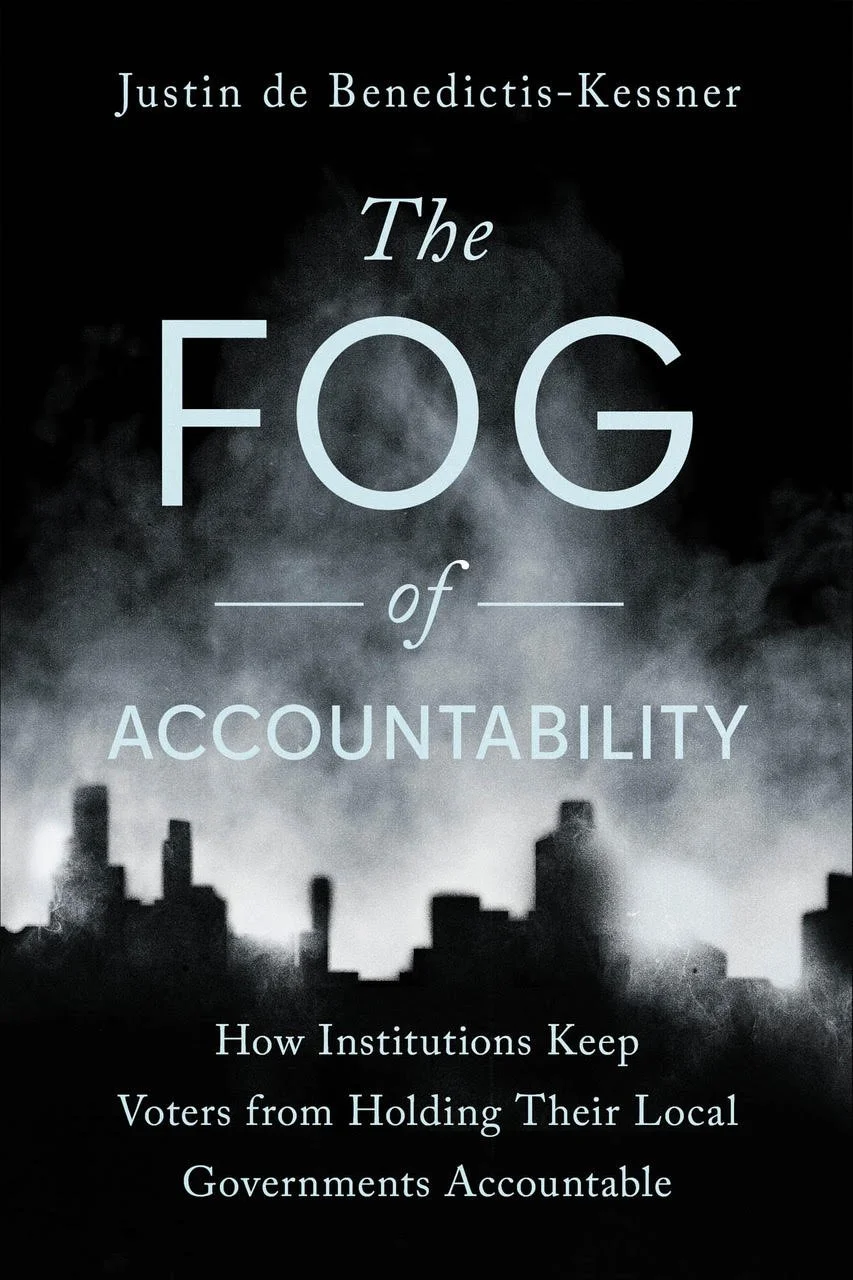
The Fog of Accountability
The Fog of Accountability asks a deceptively simple question: if local government is the level of government closest to our daily lives, why is it so difficult for voters to know who deserves credit when things go right—or blame when they don't? Justin de Benedictis-Kessner looks at the structures that make local accountability difficult, including weak electoral competition, complicated institutions, limited voter knowledge, and gaps in local media coverage.
Dark Ages Ahead
If The Death and Life of Great American Cities was Jane Jacobs’ She’s So Unusual, Dark Age Ahead is the deeper, stranger masterpiece you wish more people knew.
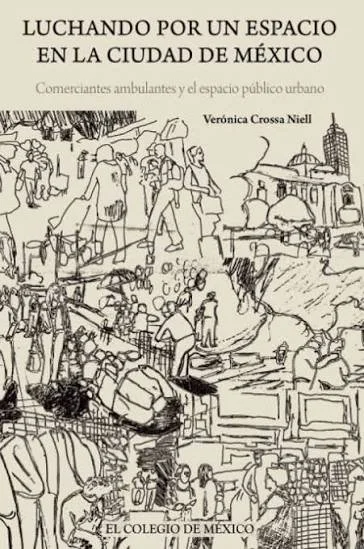
Fighting for space in Mexico City:
Verónica Crossa examines street vending and the struggle over public space in Mexico City, asking what happens when efforts to regulate and “improve” the city collide with the livelihoods and everyday practices of the people already using its streets.
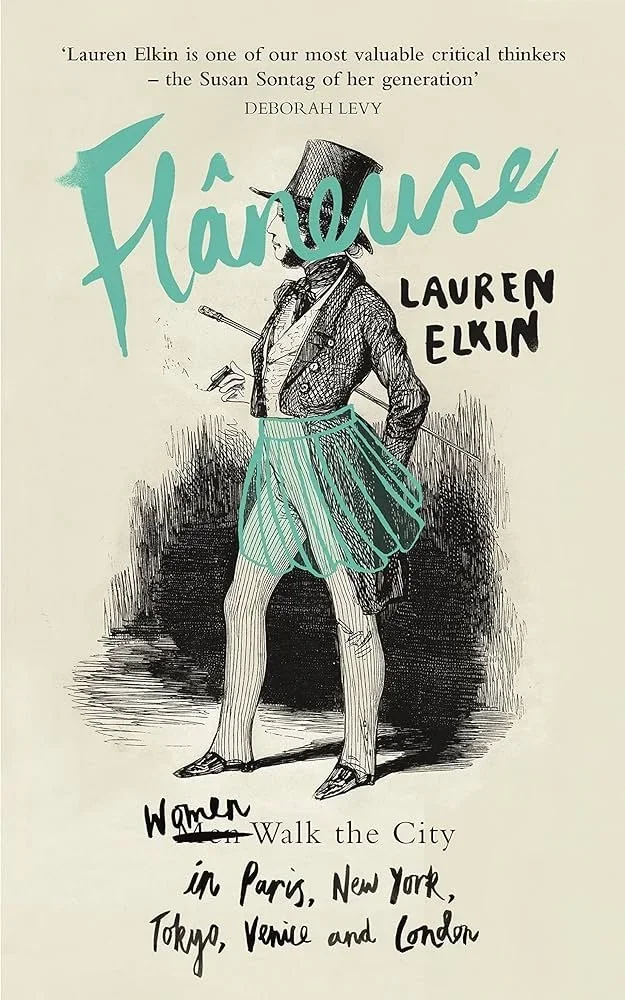
Flâneuse
I’m not entirely sure where to start with Flâneuse. I am sure that I didn’t want it to end. Lauren Elkin’s rich, layered exploration of cities, gender, power, and culture accompanied me as I walked my own city streets, recognizing the intersections and boundaries of this place in each chapter. Part memoir, literary analysis, and urban theory, it turns wandering into a kind of authorship—a way of claiming space, understanding place, and seeing the city on your own terms.
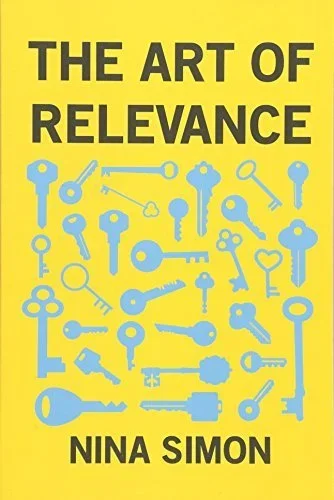
The Art Of Relevance
The Art of Relevance is Nina Simon’s practical exploration of how organizations create meaningful connections with the people they hope to serve. Simon argues that relevance isn’t about reaching a bigger audience—it’s about understanding what matters to people, recognizing barriers to participation, and creating genuine invitations to belong. For anyone working in placemaking, culture, or civic life, it offers a useful question to carry into almost any project: Who is this for, and how will they know?
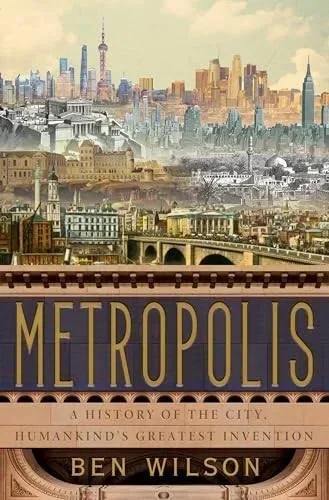
Metropolis
What I loved about Metropolis is that it doesn’t offer simple answers or romanticize the past. Instead, it offers something more useful: perspective. It reminds us that cities have always been unfinished—shaped by conflict, compromise, bold ideas, and the people stubborn enough to keep making them better.
For anyone drawn to the beauty and complexity of urban life, this book is an endlessly rewarding companion.
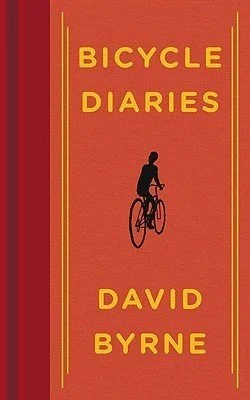
Bicycle Diaries
Bicycle Diaries follows David Byrne through cities around the world from the seat of his folding bicycle. Part travelogue, part urban observation, the book uses cycling as a way to experience cities at human speed—exploring architecture, culture, politics, public space, and the peculiar ways places reveal themselves when you move through them under your own power.
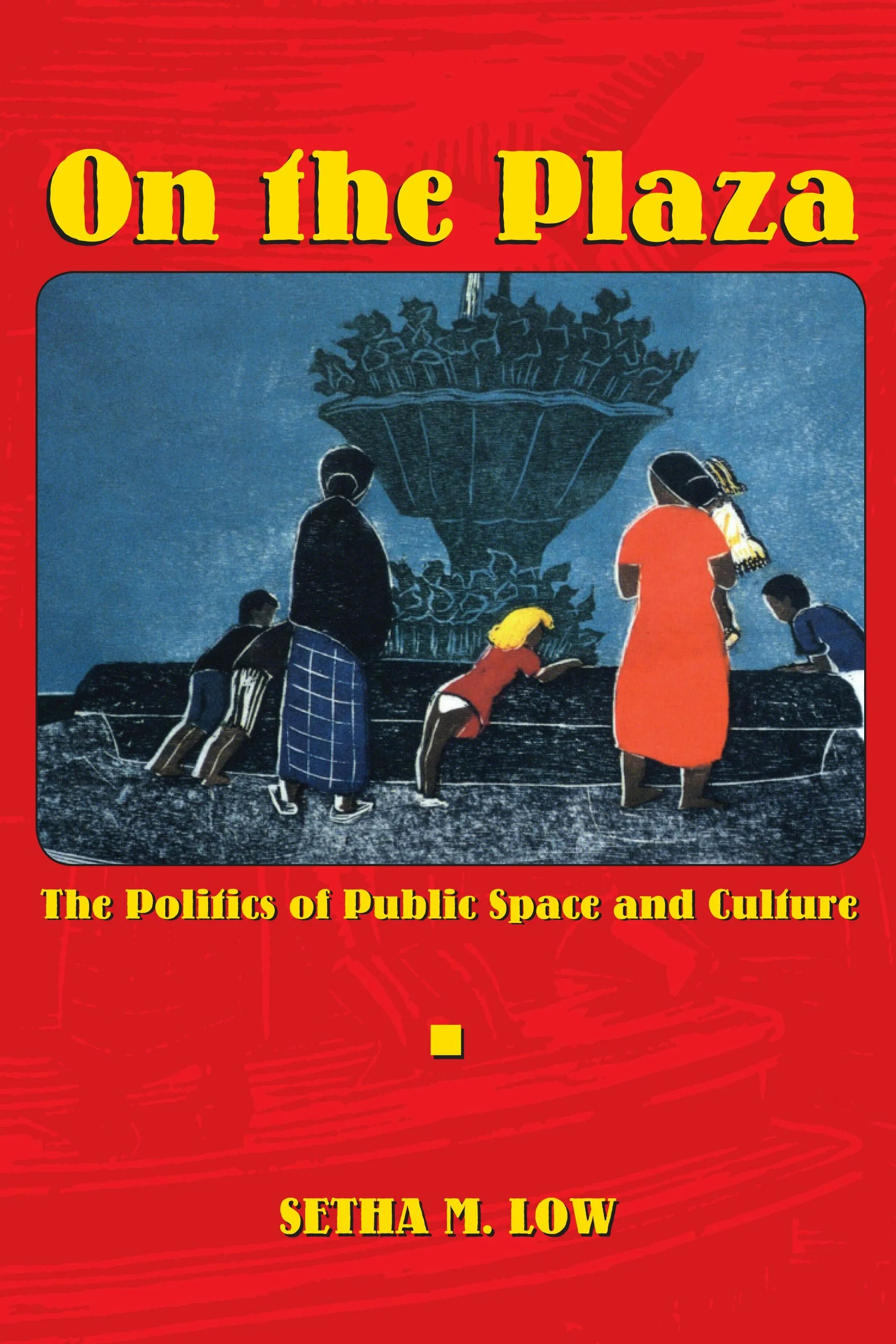
On the Plaza
In On the Plaza, anthropologist Setha Low explores how culture, politics, history, and everyday social life shape public plazas—and how plazas, in turn, shape the life of cities. Her research centers on Costa Rica while drawing comparisons with public spaces around the world.
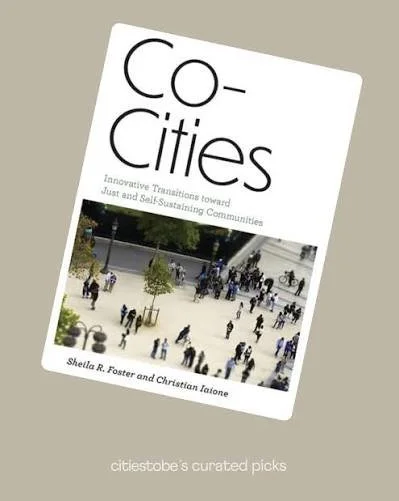
Co Cities
Co-Cities explores new models of urban governance based on collaboration and shared stewardship. Drawing on examples from cities around the world, Sheila Foster and Christian Iaione examine how communities, governments, businesses, and civic institutions can collectively manage urban resources and services.
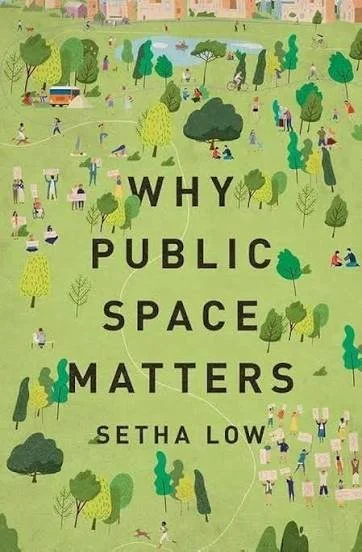
Why Public Space Matters
Drawing on decades of ethnographic research around the world, Setha Low examines how public spaces contribute to belonging, social connection, justice, and democratic life—and why the everyday experience of plazas, parks, markets, beaches, and sidewalks matters to individual and collective flourishing.
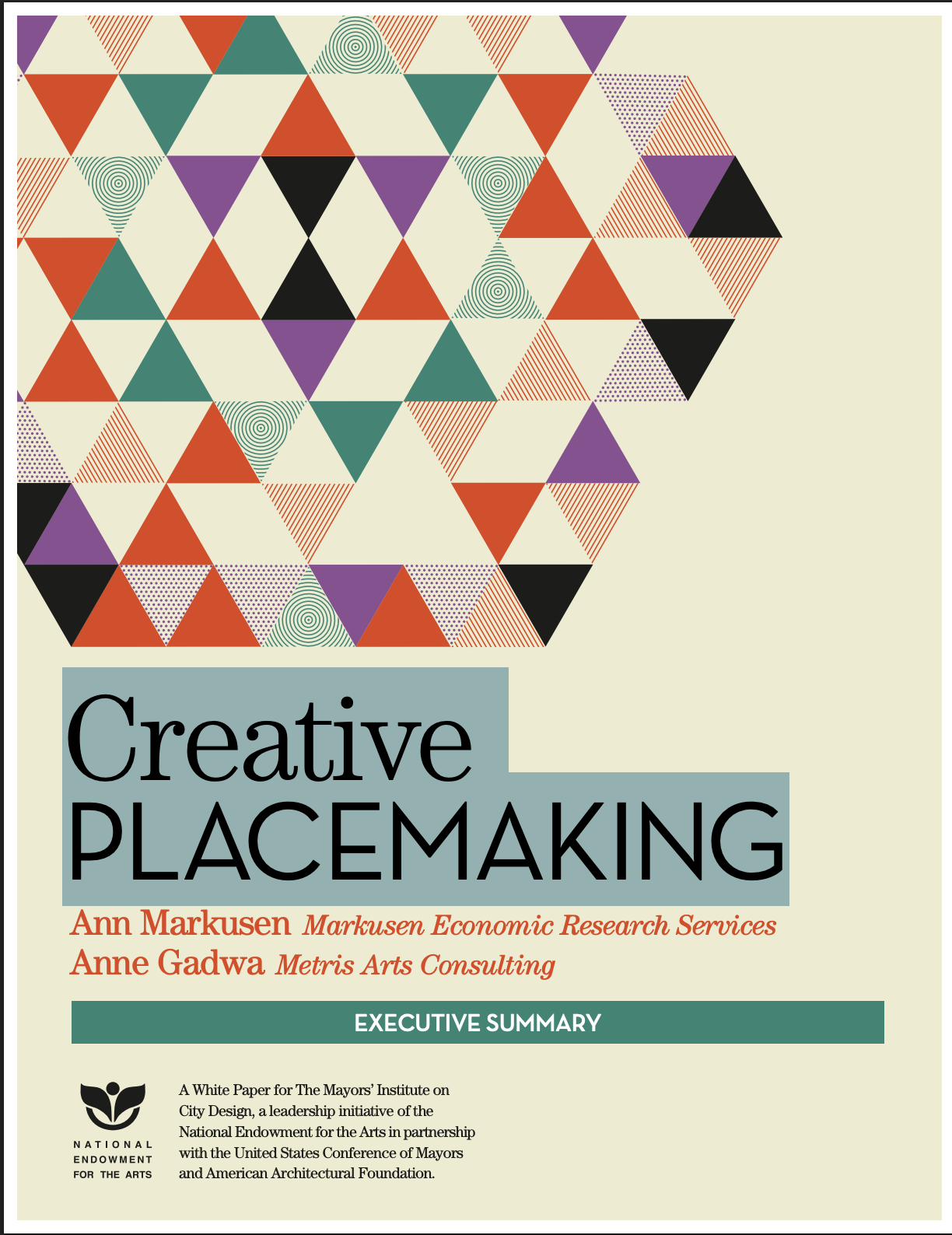
Creative Placemaking
Ann Markusen and Anne Gadwa’s landmark 2010 report helped define creative placemaking: using arts and culture as active tools in shaping communities. Drawing on projects across the country, it examines how cross-sector partnerships can animate places, strengthen local economies, and build community identity.
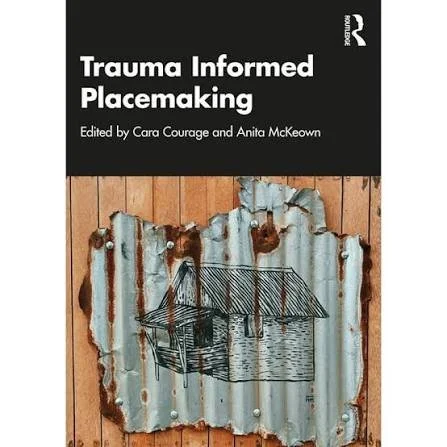
Trauma Informed Placemaking
Trauma Informed Placemaking offers an introduction to understanding trauma and healing in place. It offers insights that researchers and practitioners can apply to their place-based practice, learning from a global cohort of place leaders and communities.
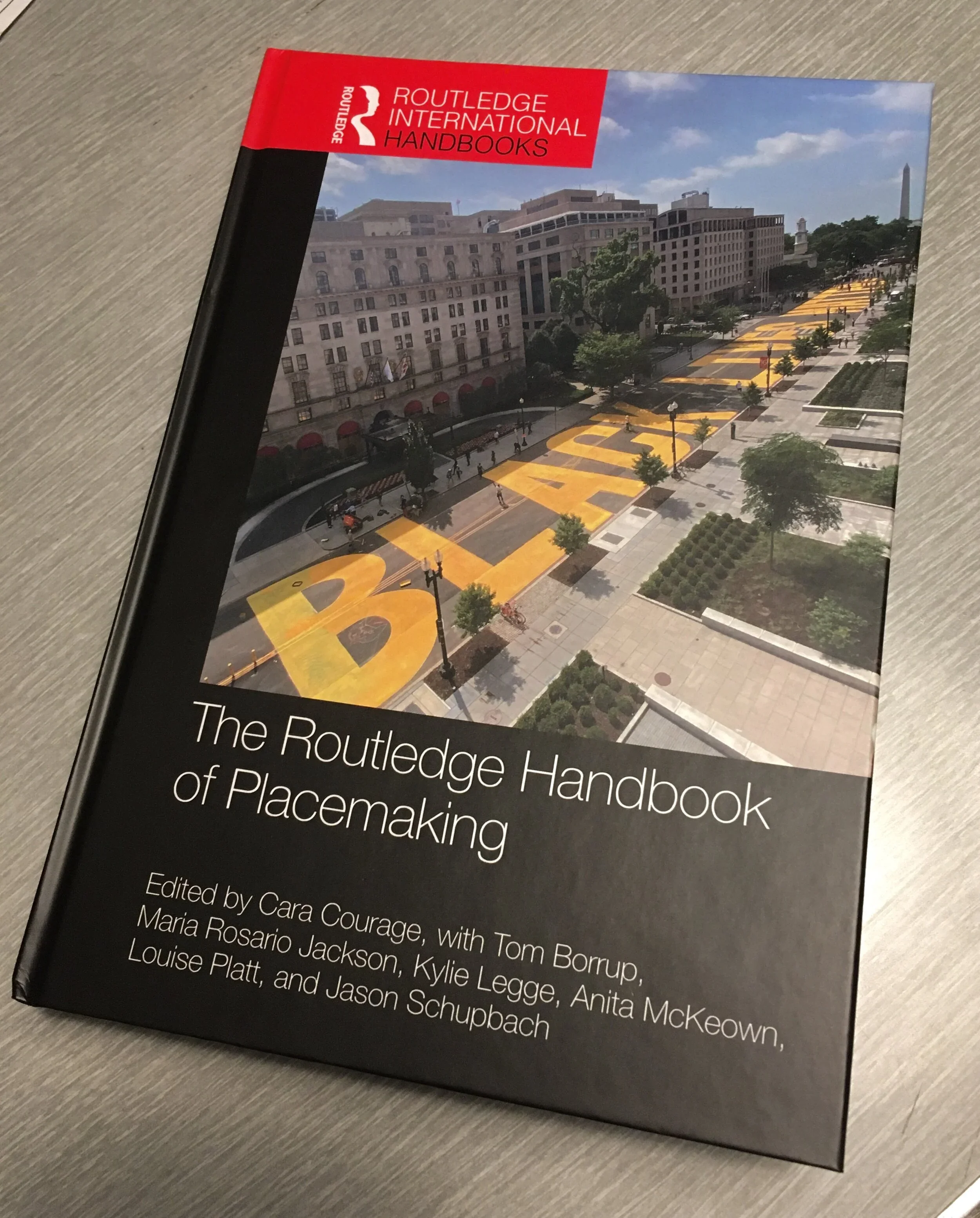
The Routledge Handbook of Placemaking
This Handbook is the first to explore the emergent field of ‘placemaking’ in terms of the recent research, teaching and learning, and practice agenda for the next few years. Offering valuable theoretical and practical insights from the leading scholars and practitioners in the field, it provides cutting-edge interdisciplinary research on the placemaking sector.
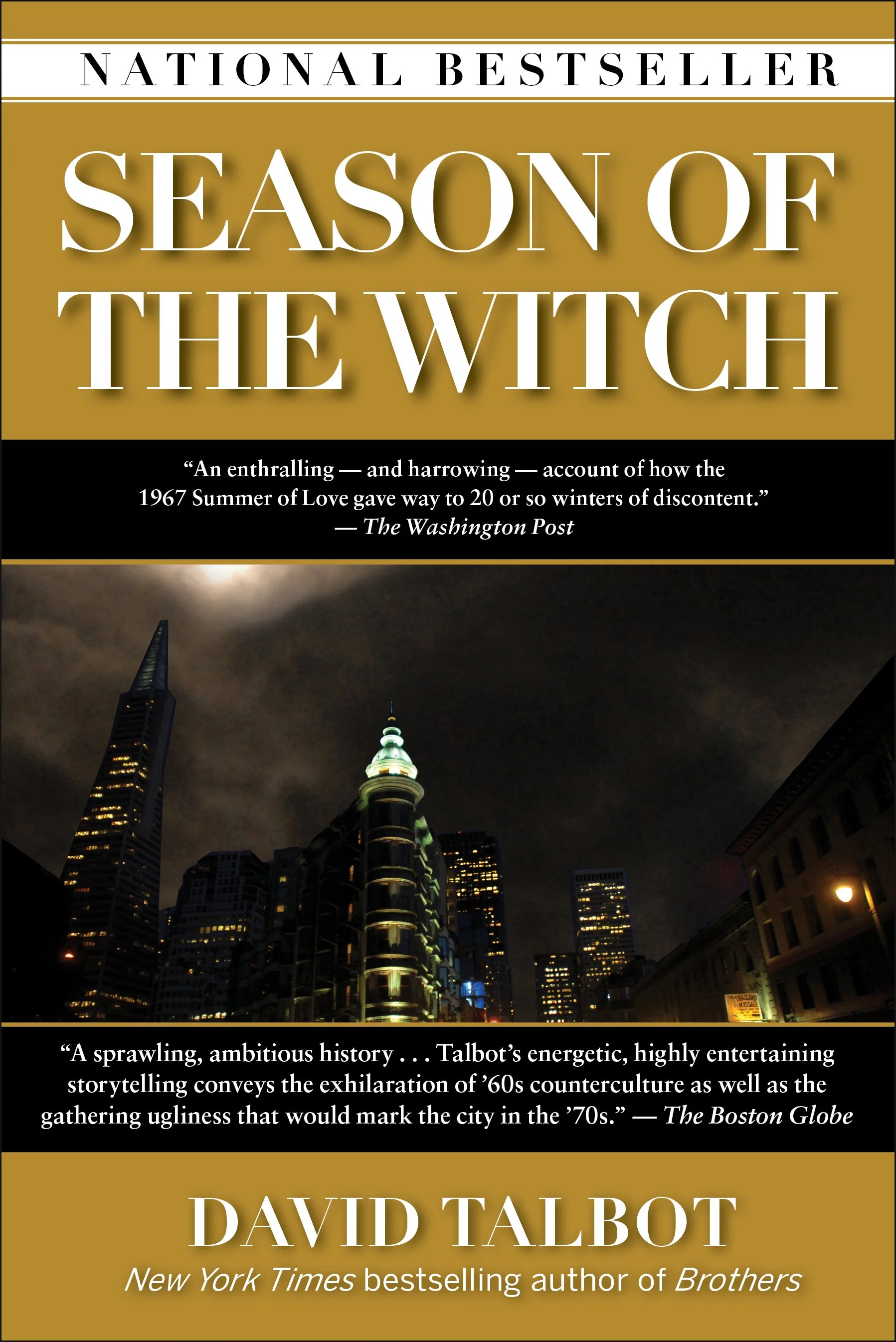
Season of the Witch
Season of the Witch: Enchantment, Terror, and Deliverance in the City of Love by David Talbot is a sweeping history of San Francisco from the turbulent 1960s through the early 1980s, tracing the city’s transformation from a center of counterculture and idealism into a place shaken by violence, political upheaval, and profound social change.
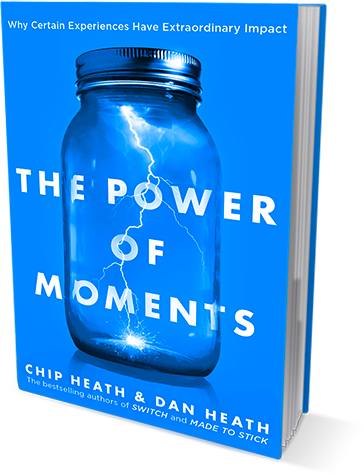
The Power of Moments
Chip Heath and Dan Heath explore why certain experiences become disproportionately memorable—and how we can deliberately create more of them. Their framework of elevation, insight, pride, and connection offers a useful lens for designing places, events, and encounters people carry with them.
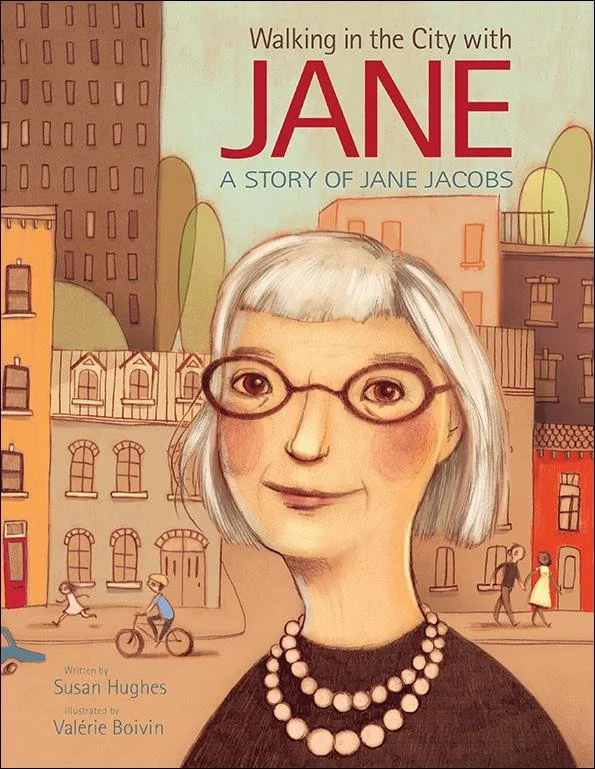
Walking in the City with Jane
Susan Hughes’ illustrated children’s book introduces young readers to Jane Jacobs through the curiosity and careful observation that shaped her ideas about cities. It follows Jacobs from her fascination with everyday urban life to her celebrated fight against plans that threatened New York neighborhoods.
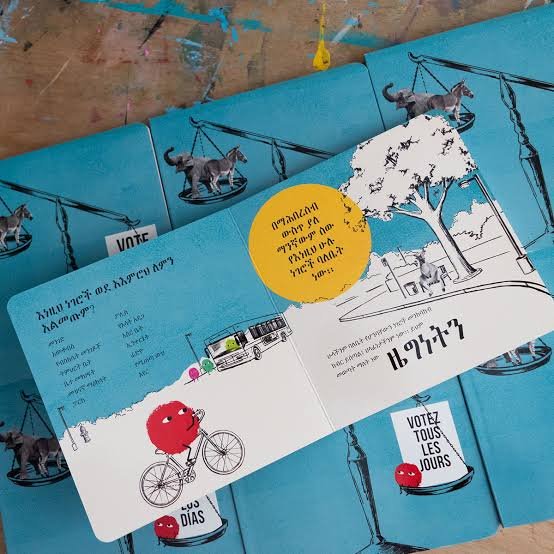
Vote Every Day
Vote Every Day is a civic-minded board book for grown-ups by Evan Weissman, built around the idea that democracy is something we practice continuously—not simply something we do at the ballot box. Playful, provocative, and deliberately accessible, it turns civic participation into an everyday proposition.
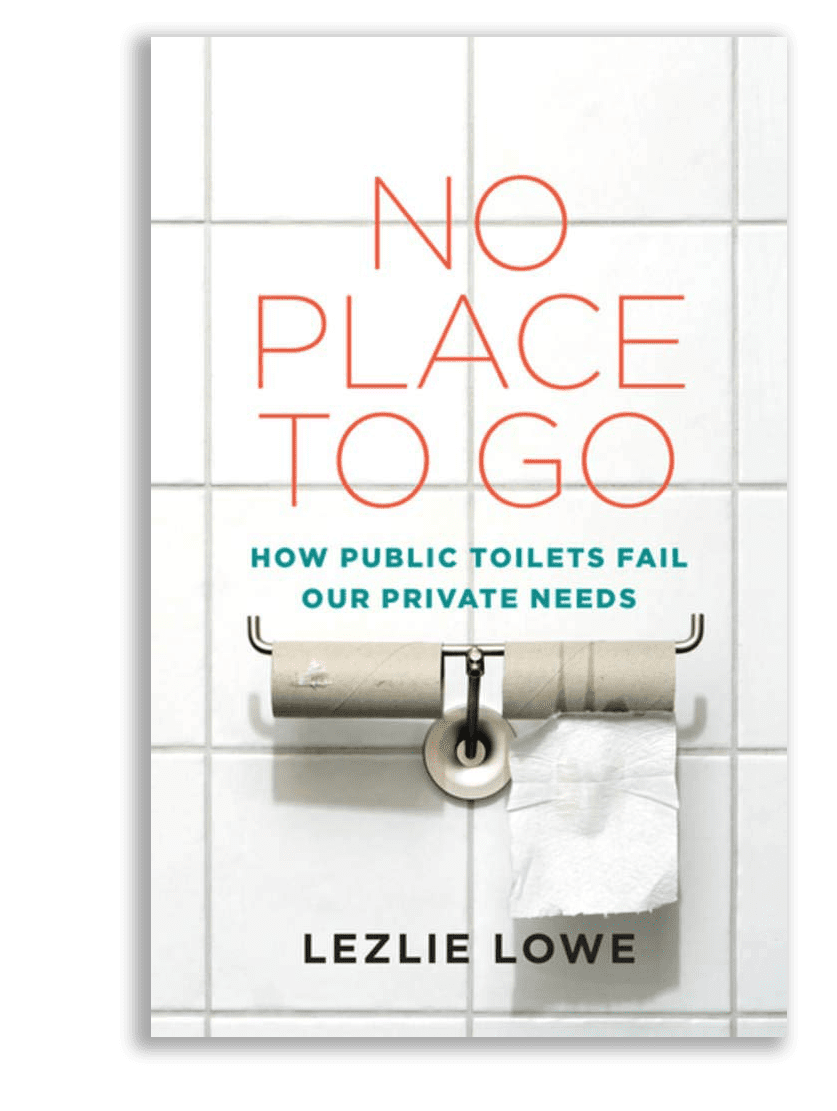
No Place To Go
This book is Number One in addressing the politics of where we’re allowed to go in public. Adults don’t talk about the business of doing our business. We work on one assumption: the world of public bathrooms is problem- and politics-free. No Place To Go: How Public Toilets Fail our Private Needs reveals the opposite is true.
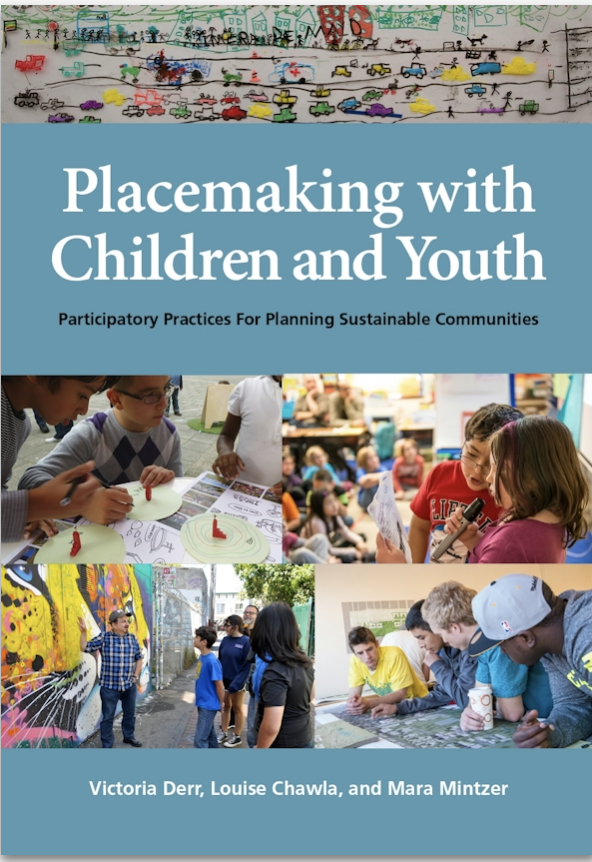
Placemaking for Children and Youth
Victoria Derr, Louise Chawla, and Mara Mintzer offer a practical guide to involving children and young people in urban planning and design. Drawing on international examples, the book combines principles, case studies, and methods for meaningful, ethical, and inclusive youth participation.
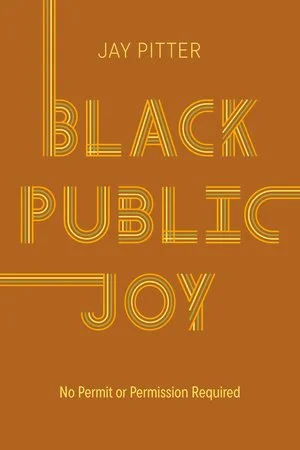
Black Public Joy
Black Public Joy is a framework developed by placemaker Jay Pitter that centers the right of Black communities not only to safety and belonging in public space, but to pleasure, celebration, beauty, rest, and collective joy. It positions joy as essential urban infrastructure—and as something cities can intentionally make room for.