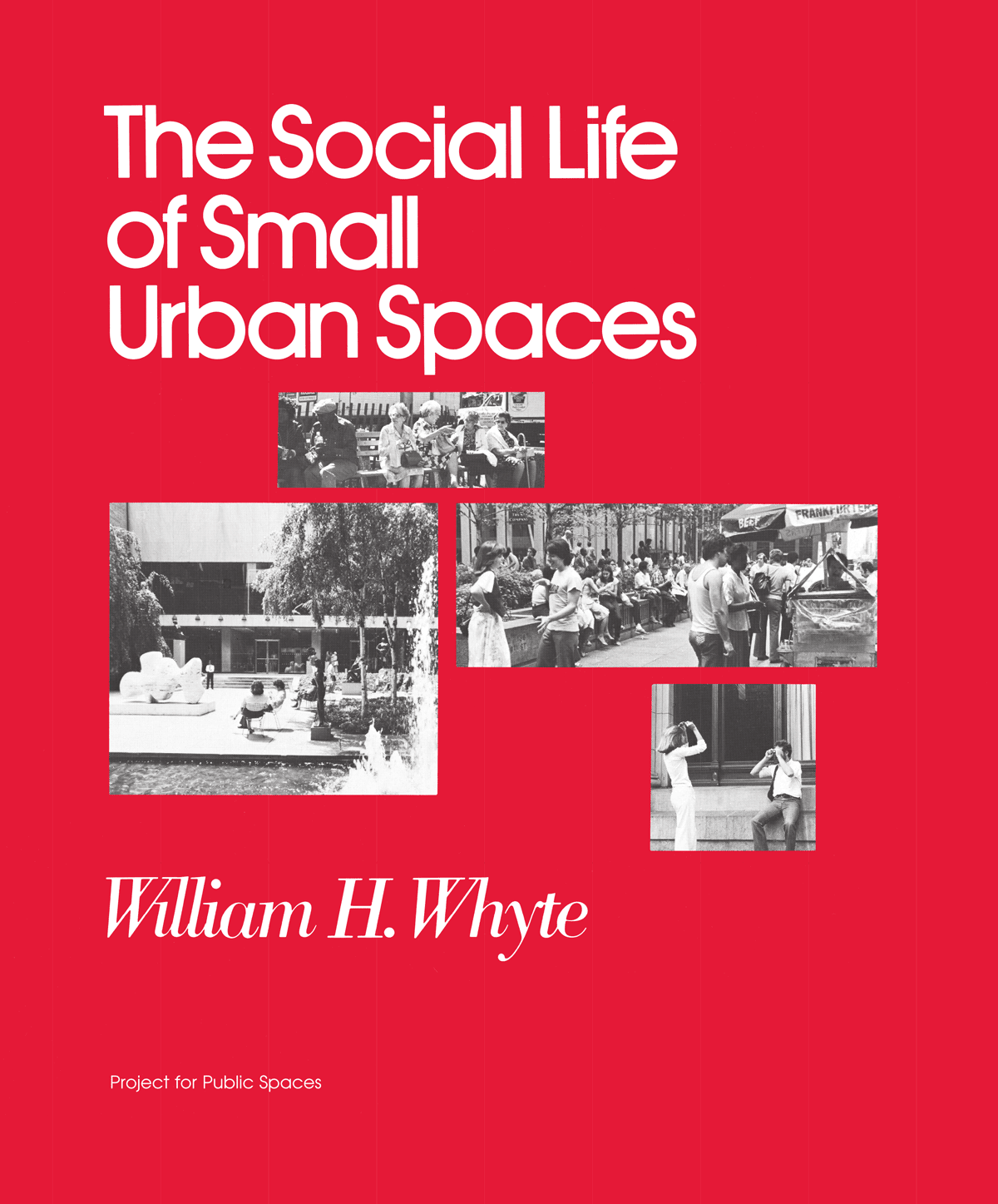
Published in 1980, William H. Whyte's The Social Life of Small Urban Spaces is one of the most influential works in the study of cities and public life.
Based on research conducted through his Street Life Project, the book examines why some of New York City's plazas and small public spaces were filled with activity while others remained largely empty. Using direct observation, time-lapse photography, pedestrian counts, and behavioral mapping, Whyte and his researchers documented the seemingly ordinary details that make places successful.
Their discoveries were both practical and profound. People gravitated toward places with comfortable seating, sunlight, trees, food, and easy connections to the street. Movable chairs gave visitors control over their surroundings. The presence of other people was often an attraction rather than a deterrent. Small features or activities could create what Whyte called triangulation, bringing strangers into conversation through a shared experience.
The book also challenged the tendency to design public spaces around abstract architectural ideals rather than the needs and behaviors of the people who would use them. Whyte argued that good public spaces could be understood—and improved—through careful attention to everyday human life.
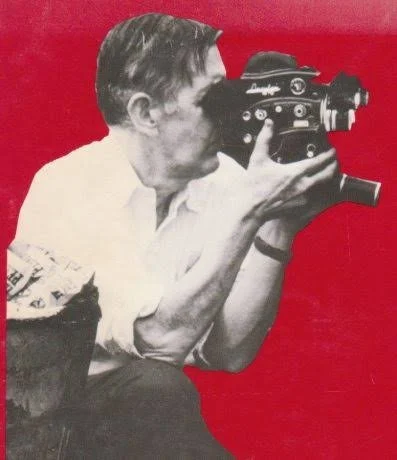
An accompanying documentary film brings the research vividly to life, showing the rhythms, encounters, and informal choreography of city streets and plazas.
More than four decades later, The Social Life of Small Urban Spaces remains a foundational guide to understanding what makes public places welcoming, lively, and genuinely public. If you haven’t, or if it’s been a while, it’s worth watching.
Find more connections to