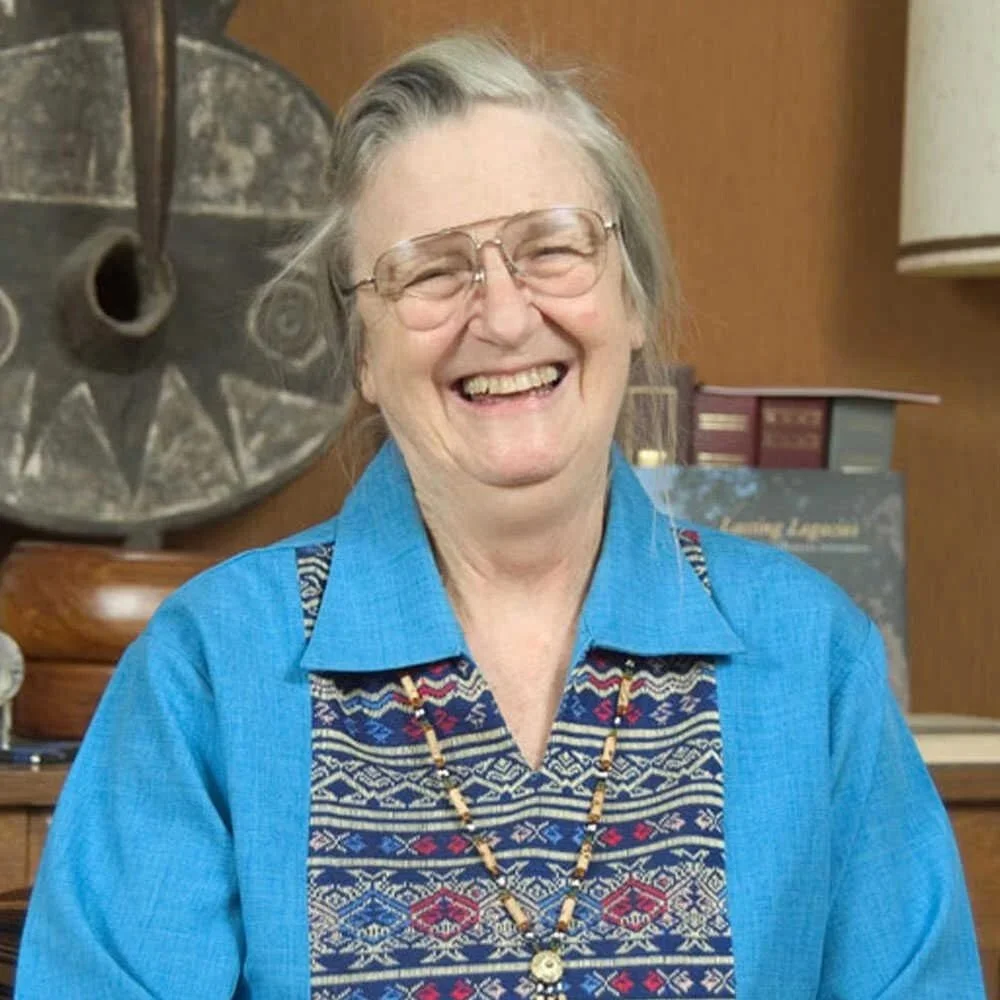
Elinor Ostrom
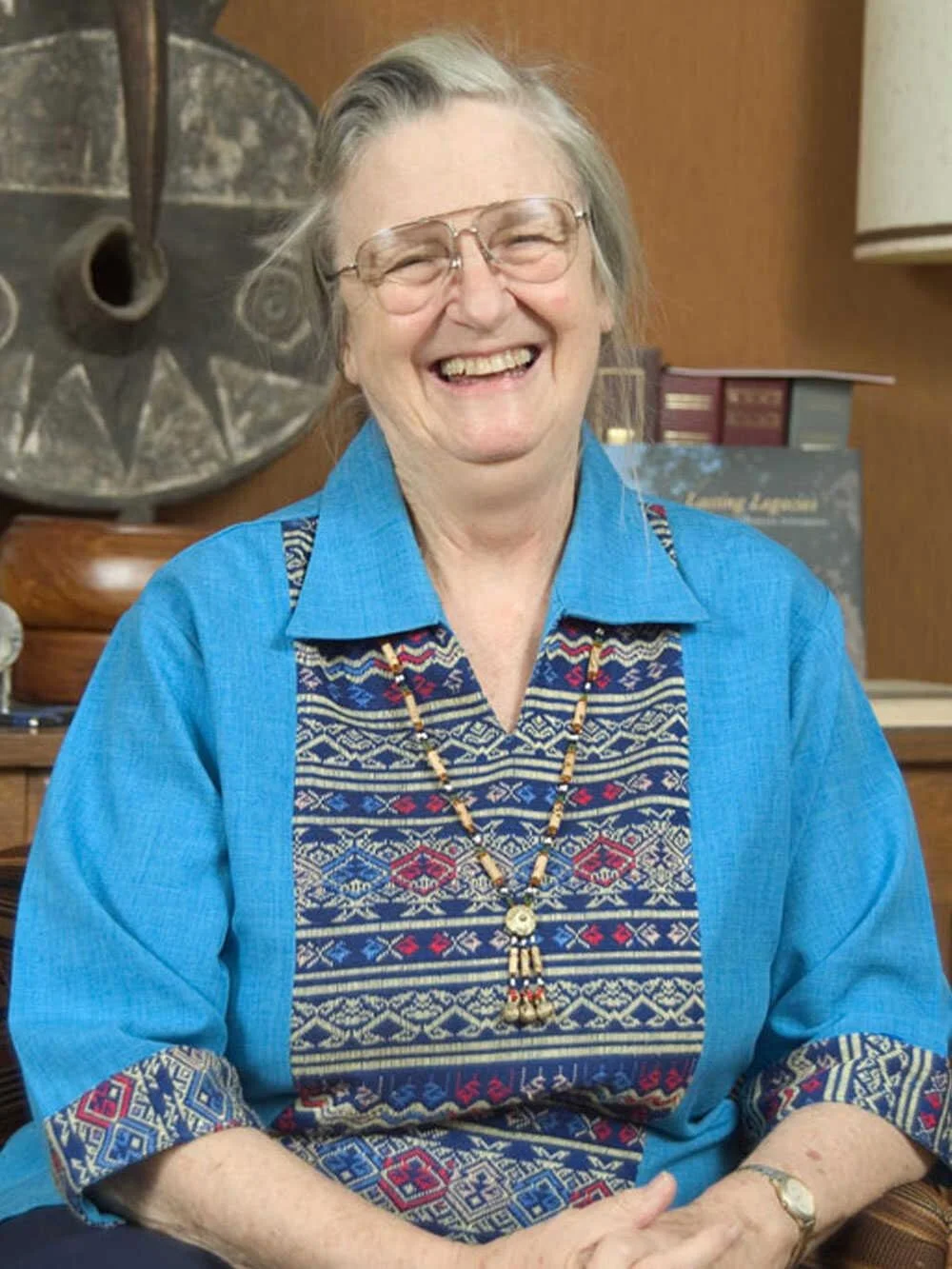
Elinor Ostrom challenged one of the most influential assumptions in economics: that shared resources are inevitably overused or depleted unless controlled by governments or private owners.
Through decades of research into forests, fisheries, irrigation systems, and other shared resources, Ostrom demonstrated that communities can develop effective systems of collective governance. Her work challenged the conventional interpretation of the “tragedy of the commons,” showing that cooperation, locally developed rules, and shared responsibility can sustain resources over generations.
In 2009, she became the first woman awarded the Nobel Memorial Prize in Economic Sciences.
Ostrom's research helped establish the intellectual foundation for contemporary thinking about urban commons, including Sheila Foster's work exploring how communities can participate in governing the spaces and resources of cities.
Find more connections to The Commons