
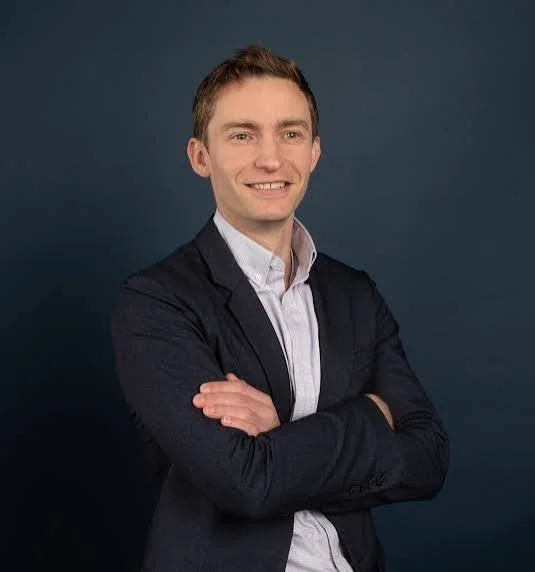
Justin de Benedictis-Kessner studies urban politics and the surprisingly difficult question of accountability: when something in a city works—or doesn’t—do residents actually know who is responsible? His work explores how complex institutions, elections, media, and everyday public services shape the relationship between cities and the people they serve.

Glitter is a Philadelphia-based neighborhood cleaning service that lets neighbors pool resources to care for their block—creating local jobs while experimenting with where individual, collective, and municipal responsibility for public space meet.
New York City’s Office of Mass Engagement brings the practices of grassroots organizing into City Hall, seeking to move public engagement beyond meetings and feedback sessions toward sustained participation in governing. Created by Mayor Zohran Mamdani in 2026, the office asks what happens when residents are treated not as an audience for government, but as active participants in it.
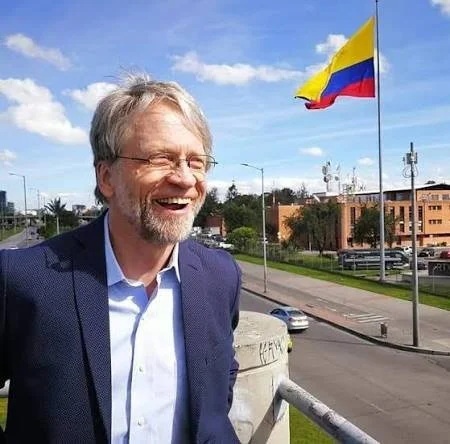
Antanas Mockus is a mathematician, philosopher, educator, and former mayor of Bogotá who used mimes, humor, symbolism, art, and social experiments to explore a radical idea: that cities can intentionally cultivate how citizens behave toward one another.

Morgan Berman is a Philadelphia-based entrepreneur and community leader working at the intersection of technology, civic life, and social impact. She is the founder of Glitter, a neighborhood-based street-cleaning platform that enables residents and businesses to collectively fund recurring litter removal while creating paid local jobs. Her work explores community agency, public space, and a deceptively simple question: when something needs doing in our cities, whose responsibility is it?
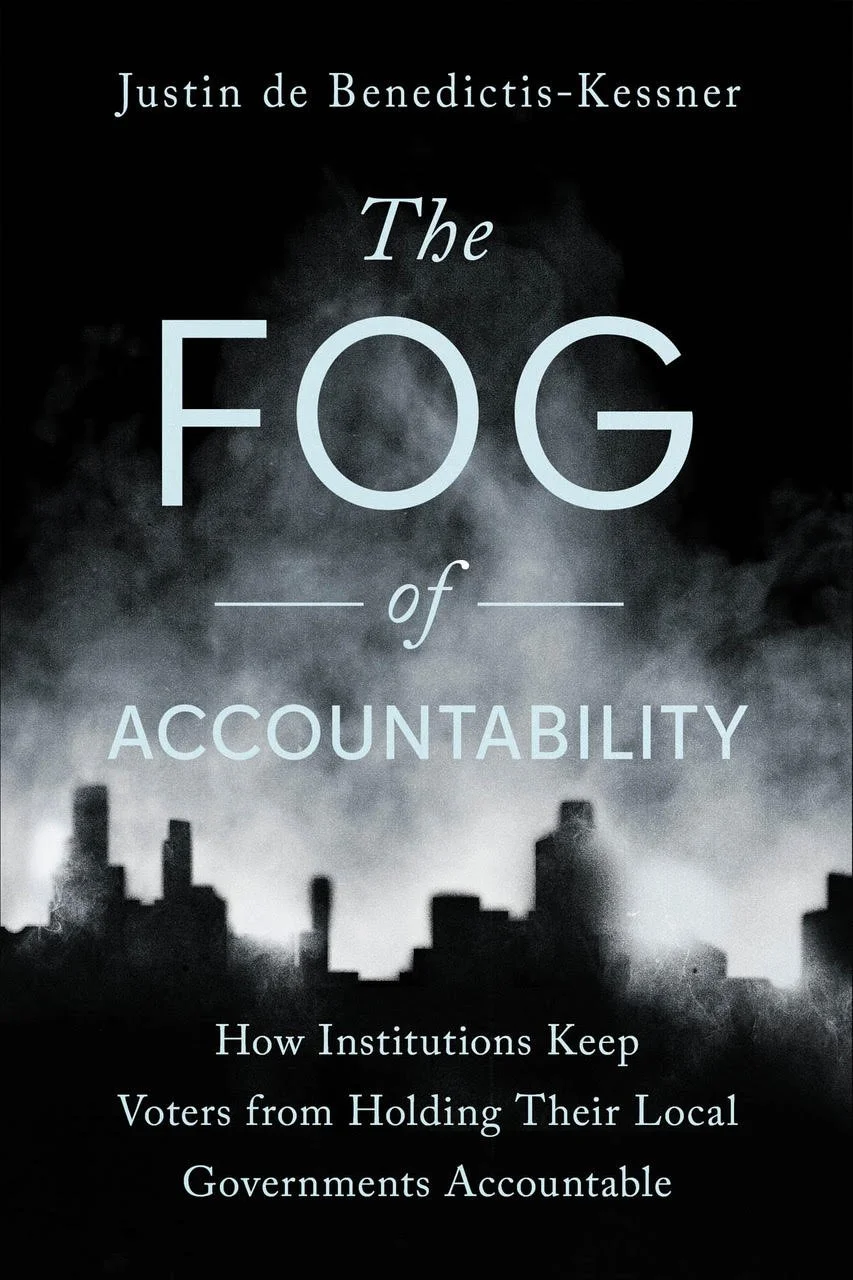
The Fog of Accountability asks a deceptively simple question: if local government is the level of government closest to our daily lives, why is it so difficult for voters to know who deserves credit when things go right—or blame when they don't? Justin de Benedictis-Kessner looks at the structures that make local accountability difficult, including weak electoral competition, complicated institutions, limited voter knowledge, and gaps in local media coverage.
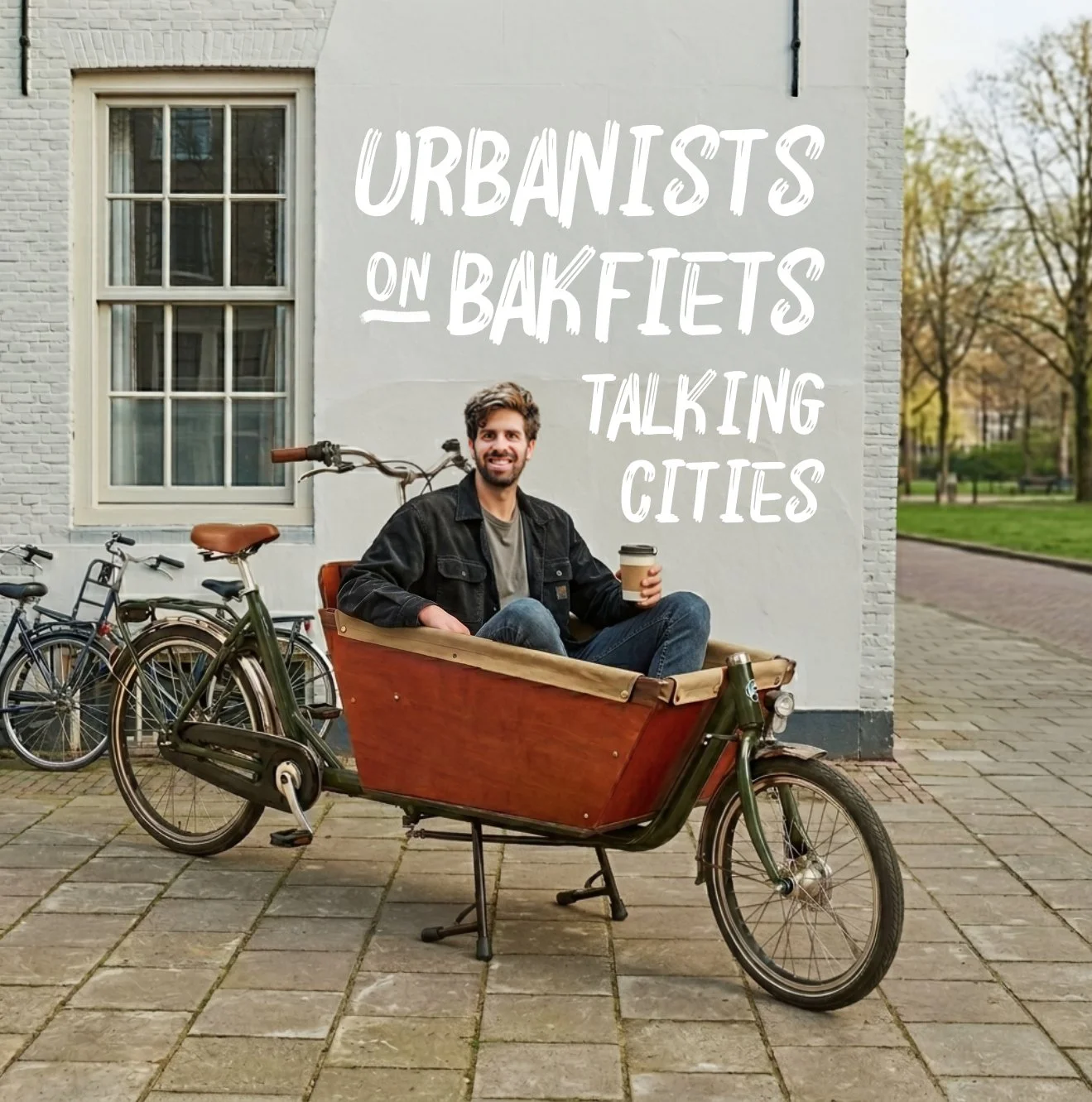
Urbanists on Bakfiets Talking Cities is a video series from urbanist Lior Steinberg that puts city conversations literally in motion. Inspired by Comedians in Cars Getting Coffee, Steinberg invites fellow urbanists aboard a bakfiets—a Dutch cargo bike—and rides through cities while talking about streets, mobility, public space, and how cities actually work. The moving conversation makes the city itself part of the interview: ideas can be encountered, questioned, and demonstrated as they ride. The series launched with Tactical Urbanism co-founder Mike Lydon exploring Ljubljana, Slovenia.
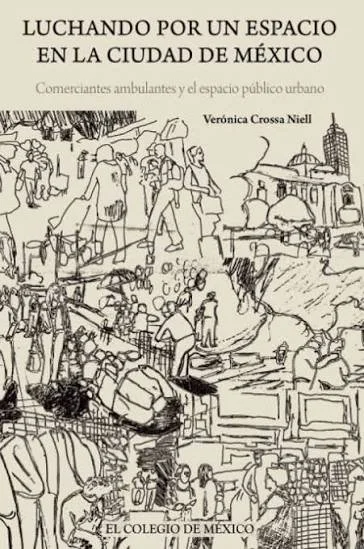
Verónica Crossa examines street vending and the struggle over public space in Mexico City, asking what happens when efforts to regulate and “improve” the city collide with the livelihoods and everyday practices of the people already using its streets.
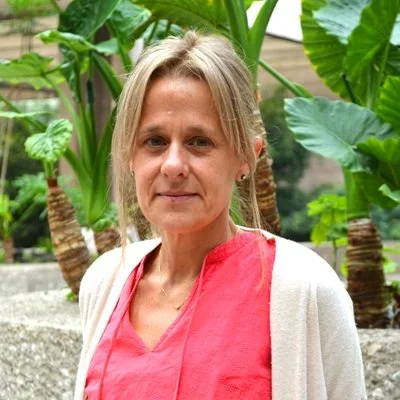
Verónica Crossa is an urban scholar whose work explores public space, street vending, informality, and inequality in Mexico City. Her research asks what happens when efforts to “improve” public space collide with the livelihoods, relationships, and everyday lives of the people already using it.
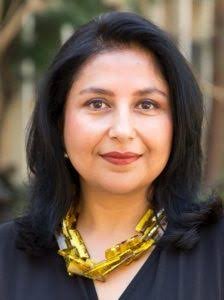
Ananya Roy is a scholar of urban planning, geography, and social welfare at UCLA whose work examines inequality, poverty, displacement, and the politics of urban development. Her influential scholarship on urban informality challenges the idea that “informal” activity simply exists outside formal systems, instead examining how governments and institutions themselves produce and regulate informality.
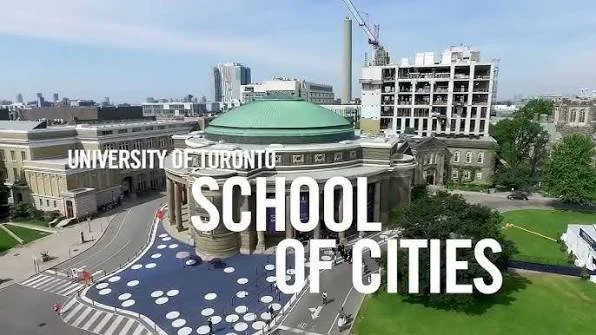
The School of Cities is a unique multidisciplinary hub for urban research, education, and engagement creating new and just ways for cities and their residents to thrive. Based at the University of Toronto and in a fast-growing, culturally diverse, and economically dynamic urban region, the School of Cities supports leading scholars, practitioners, and community members spanning disciplines and lived experiences to co-create new understandings, policies, and practices.
The Vertical Sidewalk is a Substack exploring the art and science of creating better storefronts and stronger commercial streets. Drawing on retail strategy, design, placemaking, and real-world examples, it looks at the details that make ground-floor businesses inviting, memorable, and successful—and at how individual storefronts contribute to the vitality and character of the neighborhoods and downtowns around them.

PlacemakingUS is a national network connecting people who care about creating more inclusive, vibrant, and people-centered places. Through gatherings, workshops, peer learning, and collaborative projects, the organization brings together placemakers from across disciplines and communities to share ideas, tools, and experiences. Rather than promoting a single approach to placemaking, PlacemakingUS helps build relationships among the people doing the work—supporting a growing community committed to shaping public spaces with, rather than simply for, the people who use them.
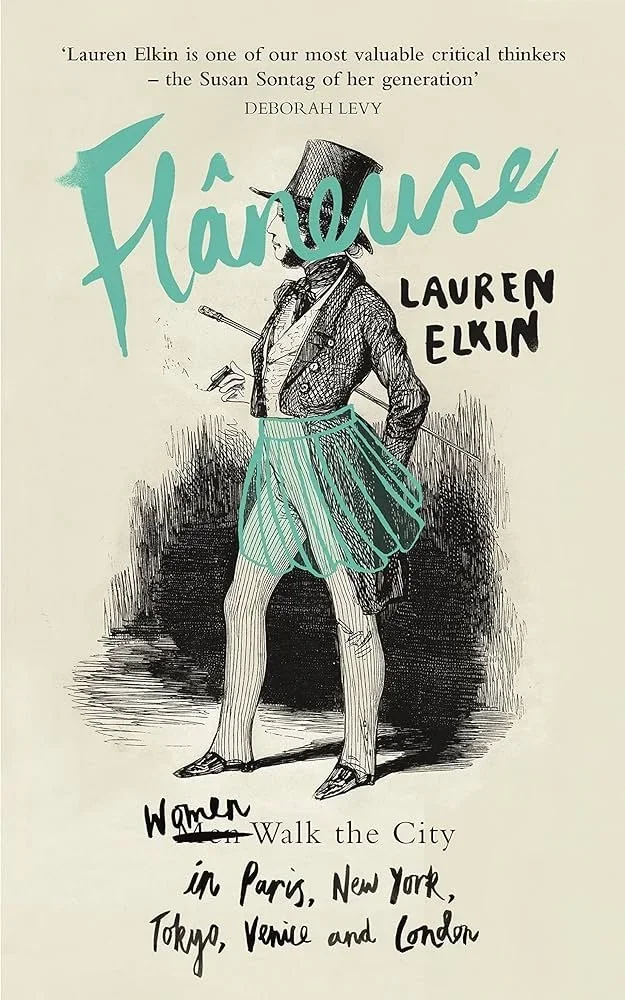
I’m not entirely sure where to start with Flâneuse. I am sure that I didn’t want it to end. Lauren Elkin’s rich, layered exploration of cities, gender, power, and culture accompanied me as I walked my own city streets, recognizing the intersections and boundaries of this place in each chapter. Part memoir, literary analysis, and urban theory, it turns wandering into a kind of authorship—a way of claiming space, understanding place, and seeing the city on your own terms.
Urbanism Now is a weekly newsletter curated with brief and insightful urban ideas from around the world to inspire action where you (c)are. Five to ten links with a touch of commentary to show you what's going on with the world. We strive to break free of the US/Euro view and promote ideas from everywhere.
Founded by: Maria Paula Moreno Vivas and Raymond Berger
Every week, this newsletter explores the future of cities. Topics include housing, climate, urban tech, post-pandemic downtowns, and more. Through this content and occasional subscriber events, I’m hoping to build a community of urban enthusiasts and people who are professionally engaged in city-making.
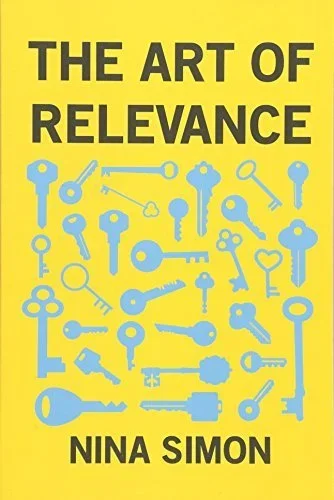
The Art of Relevance is Nina Simon’s practical exploration of how organizations create meaningful connections with the people they hope to serve. Simon argues that relevance isn’t about reaching a bigger audience—it’s about understanding what matters to people, recognizing barriers to participation, and creating genuine invitations to belong. For anyone working in placemaking, culture, or civic life, it offers a useful question to carry into almost any project: Who is this for, and how will they know?
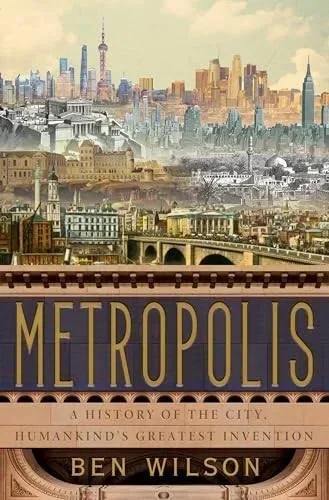
What I loved about Metropolis is that it doesn’t offer simple answers or romanticize the past. Instead, it offers something more useful: perspective. It reminds us that cities have always been unfinished—shaped by conflict, compromise, bold ideas, and the people stubborn enough to keep making them better.
For anyone drawn to the beauty and complexity of urban life, this book is an endlessly rewarding companion.
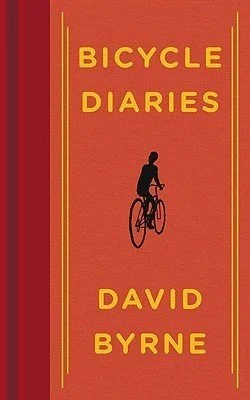
Bicycle Diaries follows David Byrne through cities around the world from the seat of his folding bicycle. Part travelogue, part urban observation, the book uses cycling as a way to experience cities at human speed—exploring architecture, culture, politics, public space, and the peculiar ways places reveal themselves when you move through them under your own power.
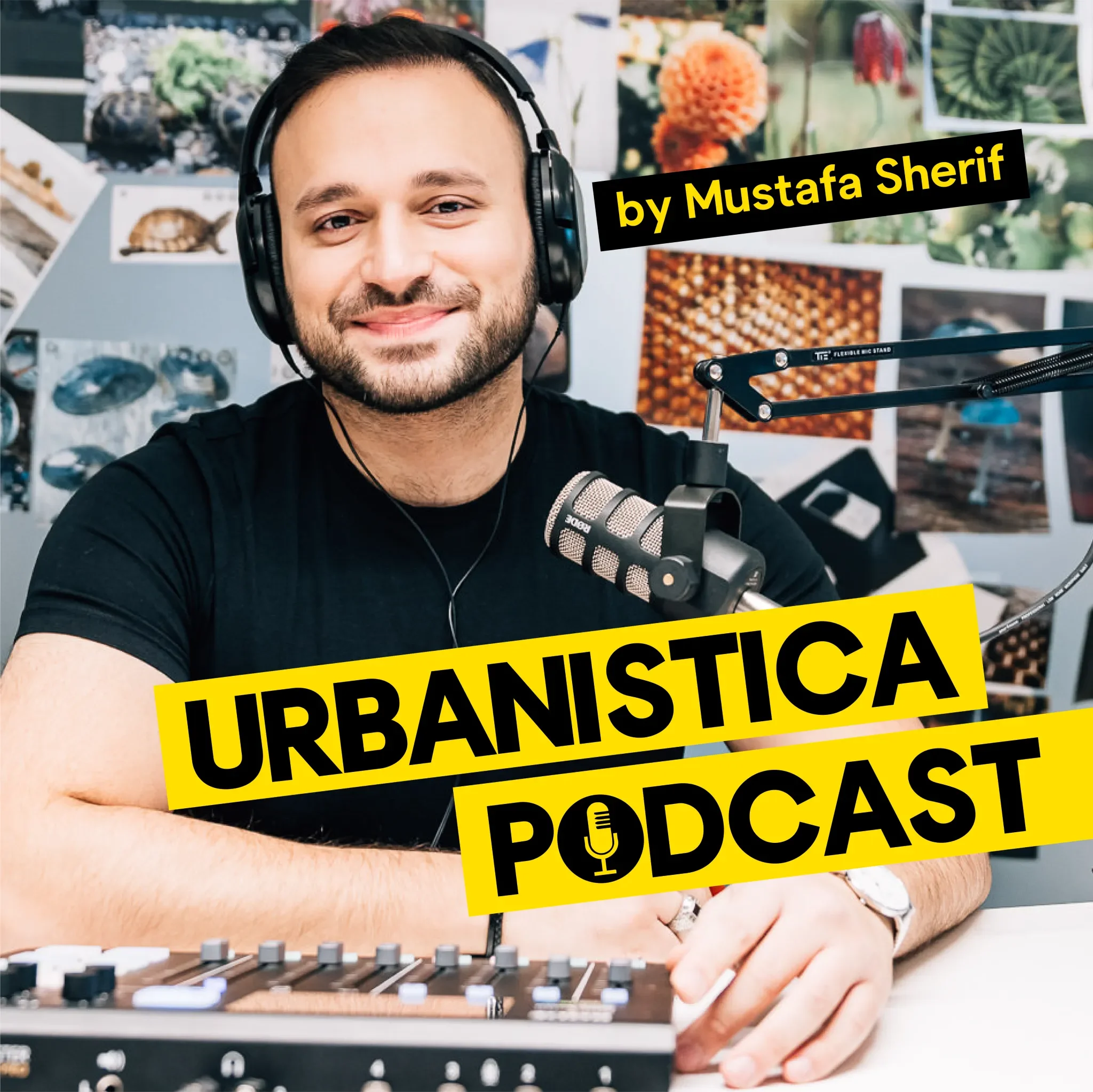
A podcast about how we plan and design cities for people. Tune in and join listeners from over 150+ countries.
I’m Mustafa Sherif, an Urbanist, Placemaker and studio manager based in Sweden. In this podcast, I interview people working in architecture, Palcemaking, urban planning and design about their projects, processes, methods, handbooks, challenges, leadership, and passions in life.
It’s not just about projects, it’s about the people behind projects.