
The Sidewalk Ballet Field Guide
The Sidewalk Ballet Field Guide is a growing collection of people, organizations, projects, books, ideas and ongoing conversations about cities and the people who shape them. It grows out of the podcast, but extends well beyond it—connecting the people doing the work, the places where it’s happening, and the ideas, experiments and resources worth carrying forward. Think of it as part reference library, part trail of breadcrumbs: a way to follow the conversation wherever it leads.
Explore by type, browse alphabetically or by date, or search for something specific. Follow the tags to discover connections—or explore the map to see where the people, projects and ideas in the Field Guide take us.

School of Cities
The School of Cities is a unique multidisciplinary hub for urban research, education, and engagement creating new and just ways for cities and their residents to thrive. Based at the University of Toronto and in a fast-growing, culturally diverse, and economically dynamic urban region, the School of Cities supports leading scholars, practitioners, and community members spanning disciplines and lived experiences to co-create new understandings, policies, and practices.

Downtown Toronto BIA Alliance
The Downtown Toronto BIA Alliance brings together six of Toronto’s leading Business Improvement Areas to strengthen the economic vitality, public spaces, and cultural vibrancy of the city’s core. Through collective advocacy, urban innovation, and cross-sector collaboration, the Alliance works to ensure downtown Toronto remains a thriving, inclusive, and dynamic place to live, work, and visit.
Bloor West Village BIA
Established in 1970, Bloor West Village became the world’s first Business Improvement Area, pioneering a model for collective investment in commercial districts that has since spread around the world. Today, the BIA continues to support its Toronto neighborhood through beautification, events, marketing, advocacy, and initiatives that strengthen the local business community.
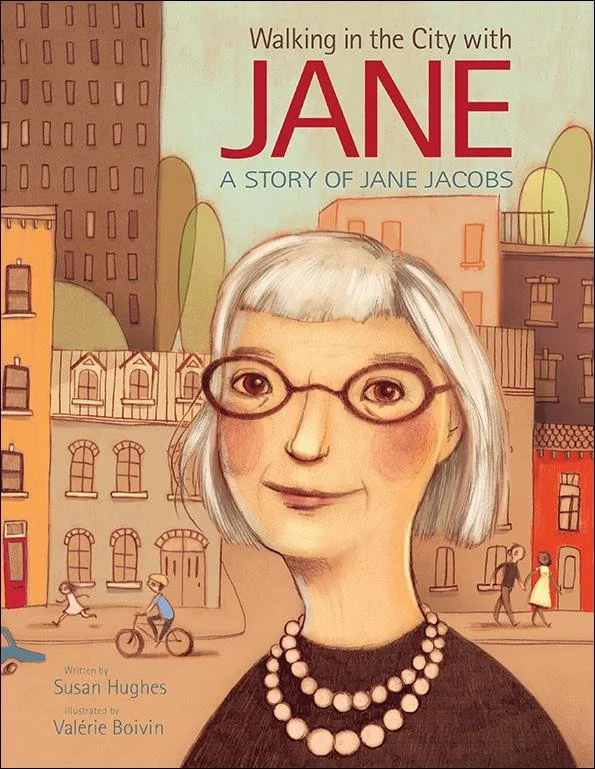
Walking in the City with Jane
Susan Hughes’ illustrated children’s book introduces young readers to Jane Jacobs through the curiosity and careful observation that shaped her ideas about cities. It follows Jacobs from her fascination with everyday urban life to her celebrated fight against plans that threatened New York neighborhoods.
Jane’s Walk
Jane’s Walk is an annual festival of free, community-led walking conversations inspired by Jane Jacobs.
On the first weekend of May every year, Jane’s Walk festivals take place in hundreds of cities around the world.

Sarah Luca
Sarah Luca is an urbanist and community builder who served as chair of the board of Jane’s Walk, the global movement of free, community-led walking conversations inspired by the work and ideas of Jane Jacobs.
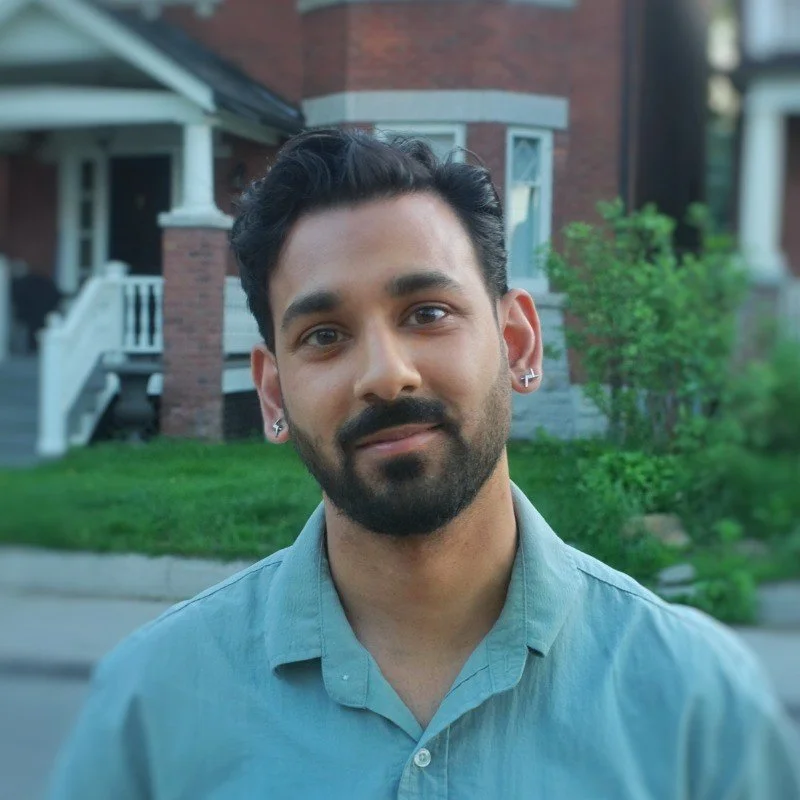
Rajesh Sankat
With roots in Toronto, Canada, Rajesh is a writer, facilitator, and community-centered design practitioner at 3×3 Design. His work sits at the nexus of inclusive design and urban placemaking to translate community insights and aspirations into strategy development, the built environment, and narrative change. Rajesh has had his work and writing featured in AZURE and Afternoon Magazine, and holds a Master of Public Policy from the University of Toronto.

Eva’s
Eva’s Initiatives for Homeless Youth is a Toronto-based organization working to end youth homelessness through shelter, housing support, employment and life-skills programs, and long-term pathways to independence. Across three shelter sites, Eva’s combines immediate safety with culturally responsive care and practical support designed to help young people build stability, community, and lasting housing.

Jay Pitter
Jay Pitter is an award-winning placemaker and author whose work explores belonging, cultural memory, equity, and public joy. Through planning, policy, teaching, and storytelling, she advances the idea that joyful public space is not a luxury, but essential urban infrastructure and a human right.
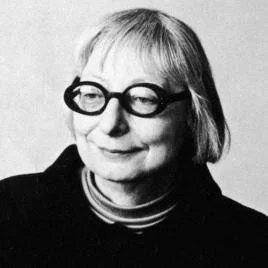
Jane Jacobs
Jane Jacobs was a writer, activist, and urban thinker whose close observation of everyday street life transformed how generations understand cities. Her work challenged top-down planning and championed mixed uses, short blocks, density, and the complex social choreography of sidewalks and neighborhoods. Her description of that choreography gave Sidewalk Ballet its name.