
The Sidewalk Ballet Field Guide
The Sidewalk Ballet Field Guide is a growing collection of people, organizations, projects, books, ideas and ongoing conversations about cities and the people who shape them. It grows out of the podcast, but extends well beyond it—connecting the people doing the work, the places where it’s happening, and the ideas, experiments and resources worth carrying forward. Think of it as part reference library, part trail of breadcrumbs: a way to follow the conversation wherever it leads.
Explore by type, browse alphabetically or by date, or search for something specific. Follow the tags to discover connections—or explore the map to see where the people, projects and ideas in the Field Guide take us.

Eva’s
Eva’s Initiatives for Homeless Youth is a Toronto-based organization working to end youth homelessness through shelter, housing support, employment and life-skills programs, and long-term pathways to independence. Across three shelter sites, Eva’s combines immediate safety with culturally responsive care and practical support designed to help young people build stability, community, and lasting housing.
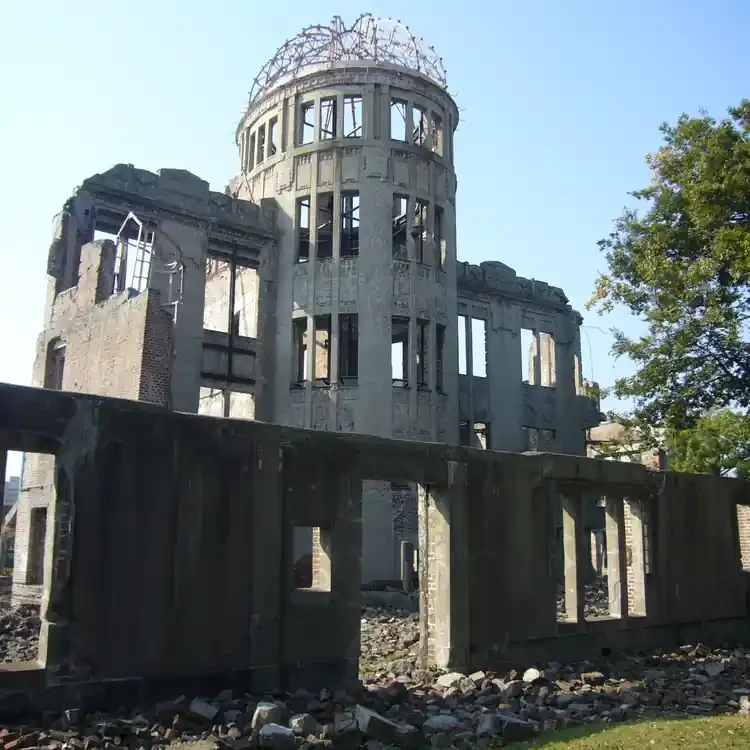
Hiroshima Peace Memorial
The Hiroshima Peace Memorial preserves the remains of the former Industrial Promotion Hall near the hypocenter of the 1945 atomic bombing. Known as the Atomic Bomb Dome, it stands within Hiroshima Peace Memorial Park as a place of remembrance and a stark public appeal for peace and the abolition of nuclear weapons.
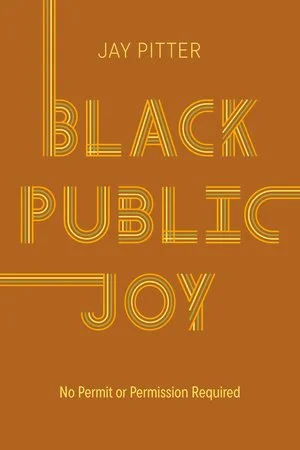
Black Public Joy
Black Public Joy is a framework developed by placemaker Jay Pitter that centers the right of Black communities not only to safety and belonging in public space, but to pleasure, celebration, beauty, rest, and collective joy. It positions joy as essential urban infrastructure—and as something cities can intentionally make room for.

Jay Pitter
Jay Pitter is an award-winning placemaker and author whose work explores belonging, cultural memory, equity, and public joy. Through planning, policy, teaching, and storytelling, she advances the idea that joyful public space is not a luxury, but essential urban infrastructure and a human right.