
The Sidewalk Ballet Field Guide
The Sidewalk Ballet Field Guide is a growing collection of people, organizations, projects, books, ideas and ongoing conversations about cities and the people who shape them. It grows out of the podcast, but extends well beyond it—connecting the people doing the work, the places where it’s happening, and the ideas, experiments and resources worth carrying forward. Think of it as part reference library, part trail of breadcrumbs: a way to follow the conversation wherever it leads.
Explore by type, browse alphabetically or by date, or search for something specific. Follow the tags to discover connections—or explore the map to see where the people, projects and ideas in the Field Guide take us.
Office of Mass Engagement
New York City’s Office of Mass Engagement brings the practices of grassroots organizing into City Hall, seeking to move public engagement beyond meetings and feedback sessions toward sustained participation in governing. Created by Mayor Zohran Mamdani in 2026, the office asks what happens when residents are treated not as an audience for government, but as active participants in it.
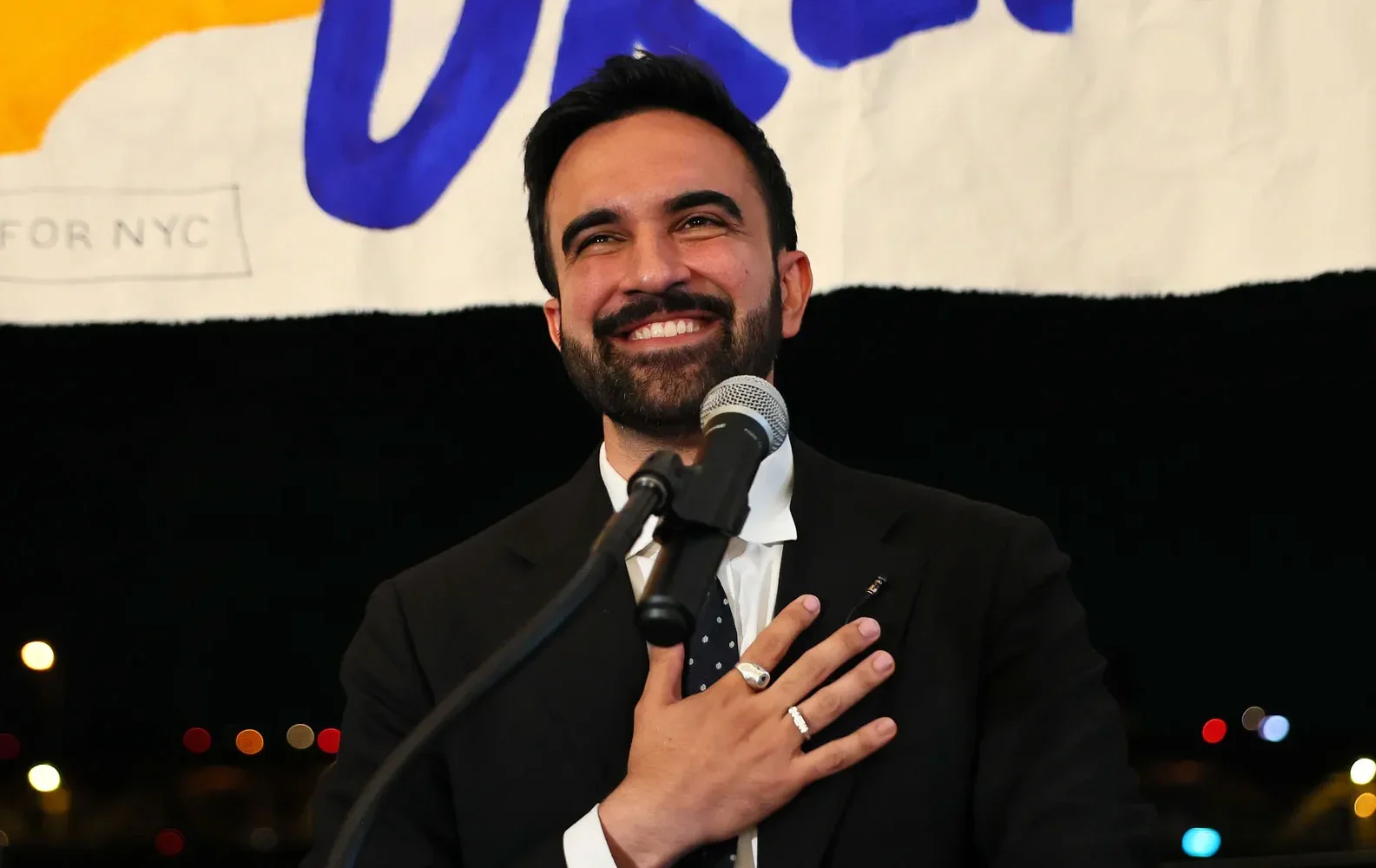
Zohran Mamdani
Zohran Mamdani is the Mayor of New York City. His administration has experimented with bringing organizing directly into city government, including the creation of the Mayor’s Office of Mass Engagement to expand the ways New Yorkers participate in shaping public decisions.

Times Square Alliance
The Times Square Alliance works to improve and promote Times Square, one of the world’s most recognizable urban districts. The organization manages public spaces, provides sanitation and public-safety services, supports businesses, produces events and public art, and advocates for the continued vitality of Times Square as a place for New Yorkers, workers, performers, and visitors from around the world.
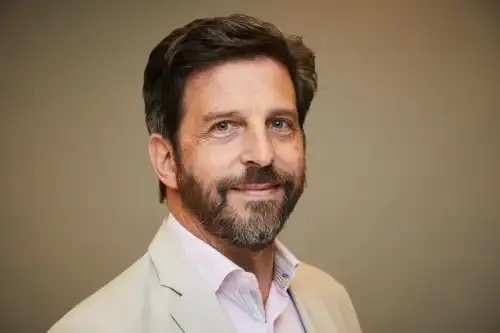
Tim Tompkins
Tim Tompkins is a longtime leader in urban place management and the founder of SharedCity, a consultancy focused on helping cities and downtown organizations create more vibrant, inclusive, and resilient places. Previously President of the Times Square Alliance, his work spans public space, economic development, arts and culture, placemaking, and the evolving role of downtowns in civic life.
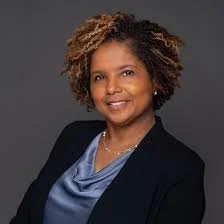
Sheila Foster
Sheila Foster is a leading scholar of cities, democracy, and the urban commons. Her work explores how communities share responsibility for the public spaces, institutions, and resources that shape everyday life—and how collective stewardship can make cities more equitable, democratic, and inclusive.
Jamestown Renaissance Corporation
Jamestown Renaissance Corporation is a nonprofit organization working to strengthen Jamestown, New York, through neighborhood revitalization, downtown development, and community engagement. Working alongside residents, businesses, and local partners, JRC supports projects and programs that improve public spaces, encourage investment, and build a more vibrant and connected community.
Free Black Woman’s Library
The Free Black Women’s Library is a social art project that features a collection of over 5000 books written by Black women and Black non-binary writers, a free store, a period pantry, a virtual Reading Club, a weekly book swap, and a wide array of workshops and free public programs.

High Line Fellows: Emerging Leaders Program
The High Line Fellows: Emerging Leaders Program is a three-year, paid youth development program for those in their sophomore year of high school through senior year. Fellows gain leadership skills, explore careers, and prepare for college and beyond—with a starting pay of $18/hour. This opportunity is more than just their best first job experience: Fellows get a one-of-a-kind hands-on learning opportunity that draws from the High Line’s core strengths, building their confidence as leaders while connecting with peers and professionals across New York City.
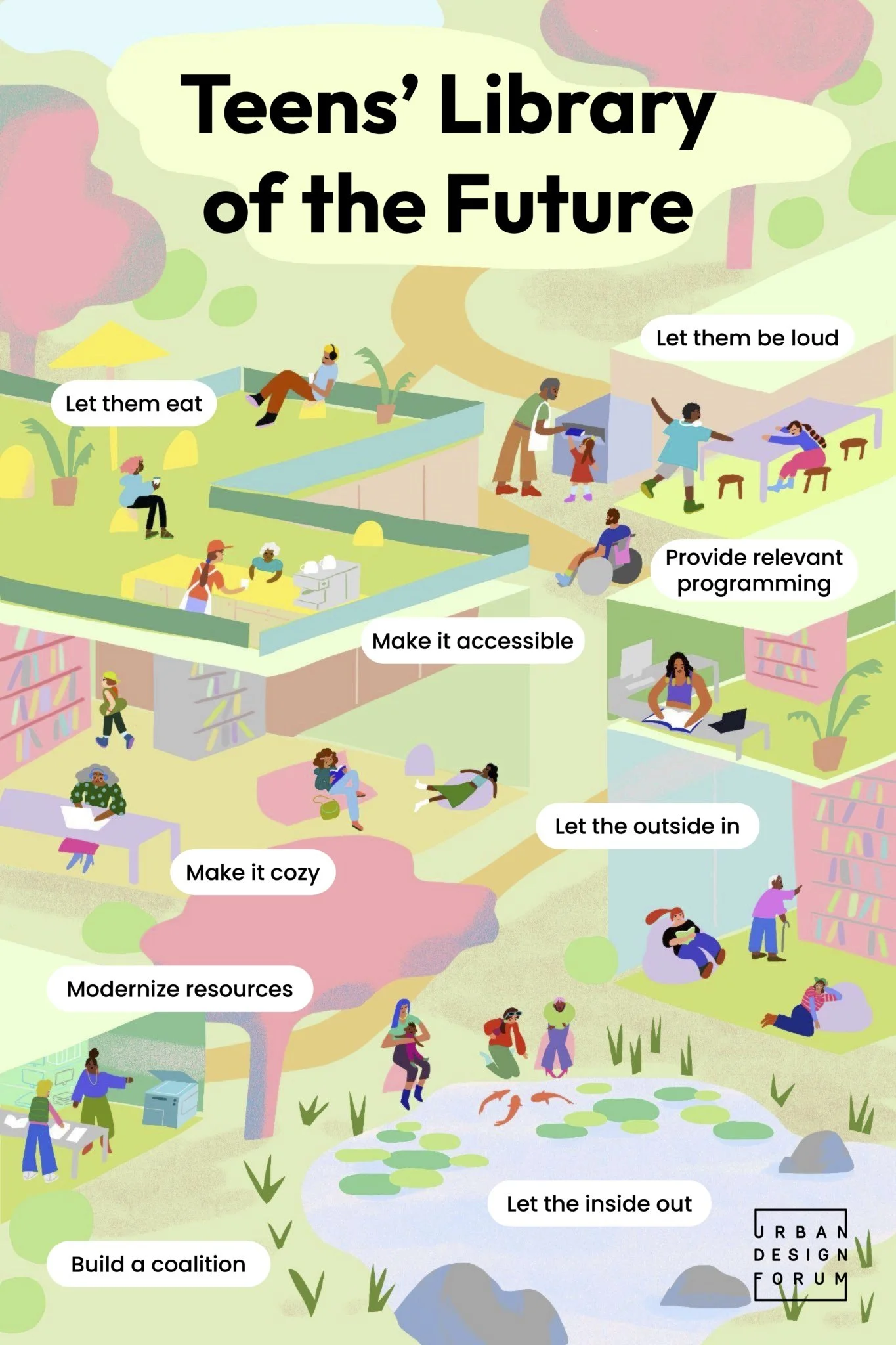
Youth Led Libraries of the Future
Youth-led Libraries of the Future is an Urban Design Forum project exploring how young people can help shape libraries as spaces for learning, connection, creativity, and belonging. Working directly with teens, the project developed an arts-based curriculum, a zine archive, and nine youth-led design guidelines—reimagining libraries not simply as places for young people, but as civic spaces created with them.

Urban Design Forum
The Urban Design Forum brings together people across design, planning, development, government, advocacy, and civic life to shape the future of New York City. Through programs, fellowships, policy initiatives, and neighborhood partnerships, it treats citymaking as a collaborative civic practice.
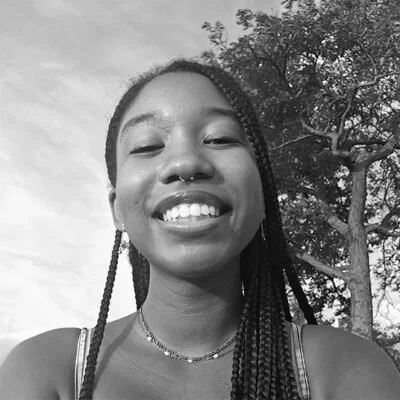
Ayana Smith
Ayana Smith is a native New Yorker and experienced youth organizer whose current practice focuses on implementing participatory creative placekeeping projects as a tool to increase public safety in and around public housing developments. Prior to her current position, she held leadership positions at Teens Take Charge and Student Voice and has served as a youth advisor for several organizations such as Race Forward. Her work has been featured in publications such as the New York Daily News and presented at conferences such as Grantmakers for Education through the National Public Education Support Fund.
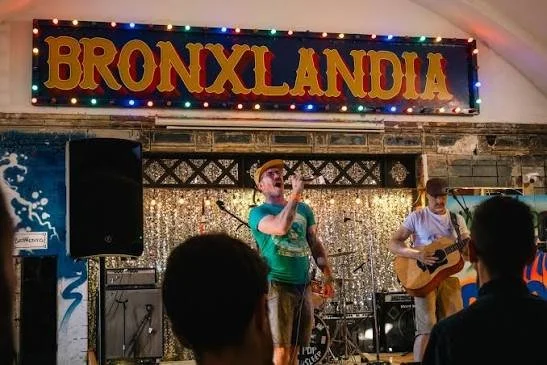
Bronxlandia
Bronxlandia is a cultural hub and multi-purpose live events venue located at 910 Hunts Point Avenue in the South Bronx, New York City. Created by community developers Majora Carter and James Chase, the space serves as a creative local venue addressing the borough's shortage of dedicated performance spaces.
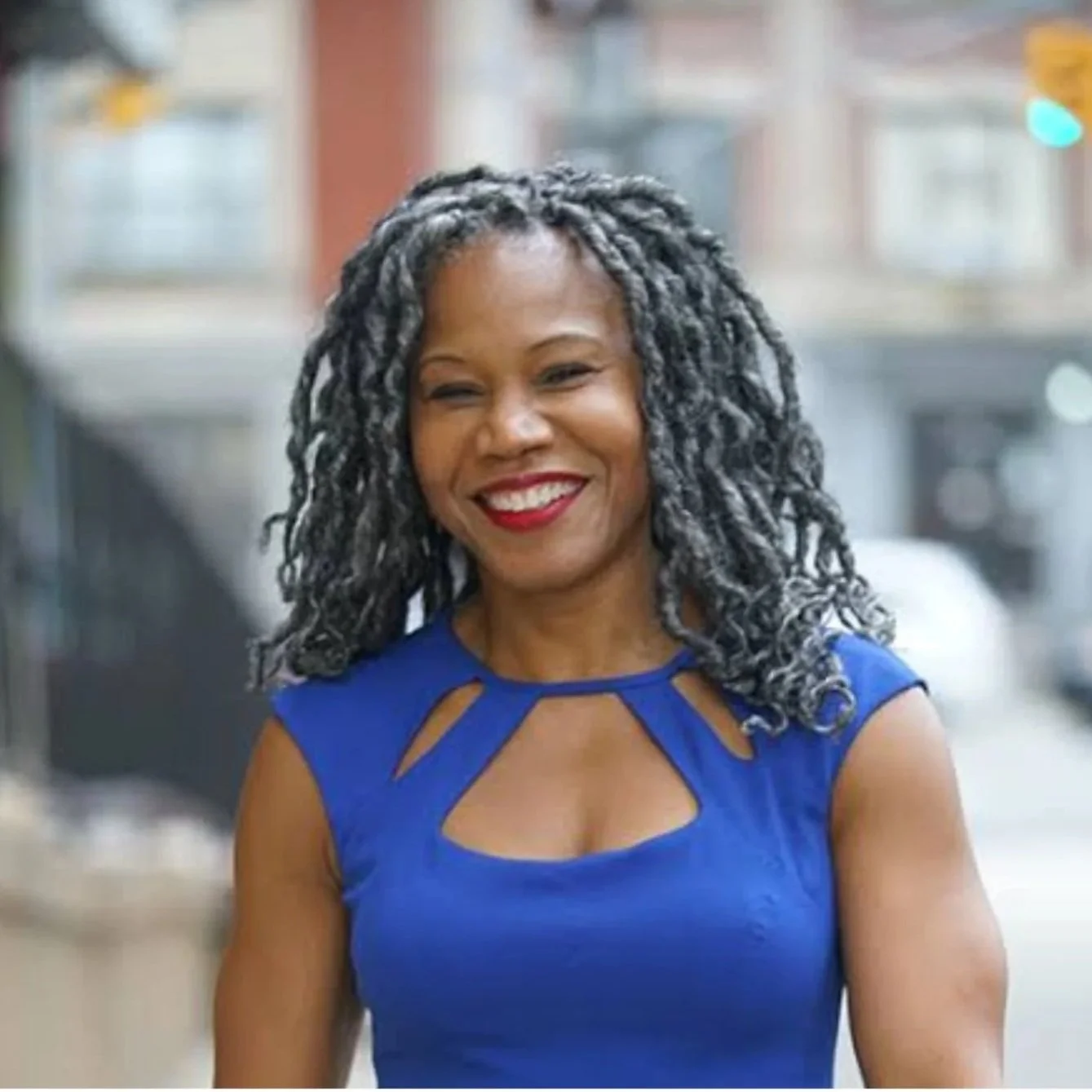
Majora Carter
Majora Carter is an urban revitalization strategist, real estate developer, MacArthur Fellow, broadcaster, and author whose work focuses on creating opportunity within historically undervalued communities. Her approach connects economic development and talent retention to the belief that people should not have to leave their neighborhoods to find opportunity.
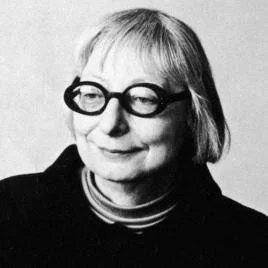
Jane Jacobs
Jane Jacobs was a writer, activist, and urban thinker whose close observation of everyday street life transformed how generations understand cities. Her work challenged top-down planning and championed mixed uses, short blocks, density, and the complex social choreography of sidewalks and neighborhoods. Her description of that choreography gave Sidewalk Ballet its name.