
The Sidewalk Ballet Field Guide
The Sidewalk Ballet Field Guide is a growing collection of people, organizations, projects, books, ideas and ongoing conversations about cities and the people who shape them. It grows out of the podcast, but extends well beyond it—connecting the people doing the work, the places where it’s happening, and the ideas, experiments and resources worth carrying forward. Think of it as part reference library, part trail of breadcrumbs: a way to follow the conversation wherever it leads.
Explore by type, browse alphabetically or by date, or search for something specific. Follow the tags to discover connections—or explore the map to see where the people, projects and ideas in the Field Guide take us.

Justin de Benedictis-Kessner
Justin de Benedictis-Kessner studies urban politics and the surprisingly difficult question of accountability: when something in a city works—or doesn’t—do residents actually know who is responsible? His work explores how complex institutions, elections, media, and everyday public services shape the relationship between cities and the people they serve.


Office of Mass Engagement
New York City’s Office of Mass Engagement brings the practices of grassroots organizing into City Hall, seeking to move public engagement beyond meetings and feedback sessions toward sustained participation in governing. Created by Mayor Zohran Mamdani in 2026, the office asks what happens when residents are treated not as an audience for government, but as active participants in it.
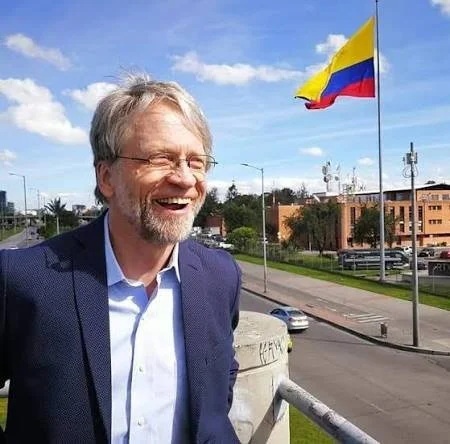
Antanas Mockus
Antanas Mockus is a mathematician, philosopher, educator, and former mayor of Bogotá who used mimes, humor, symbolism, art, and social experiments to explore a radical idea: that cities can intentionally cultivate how citizens behave toward one another.
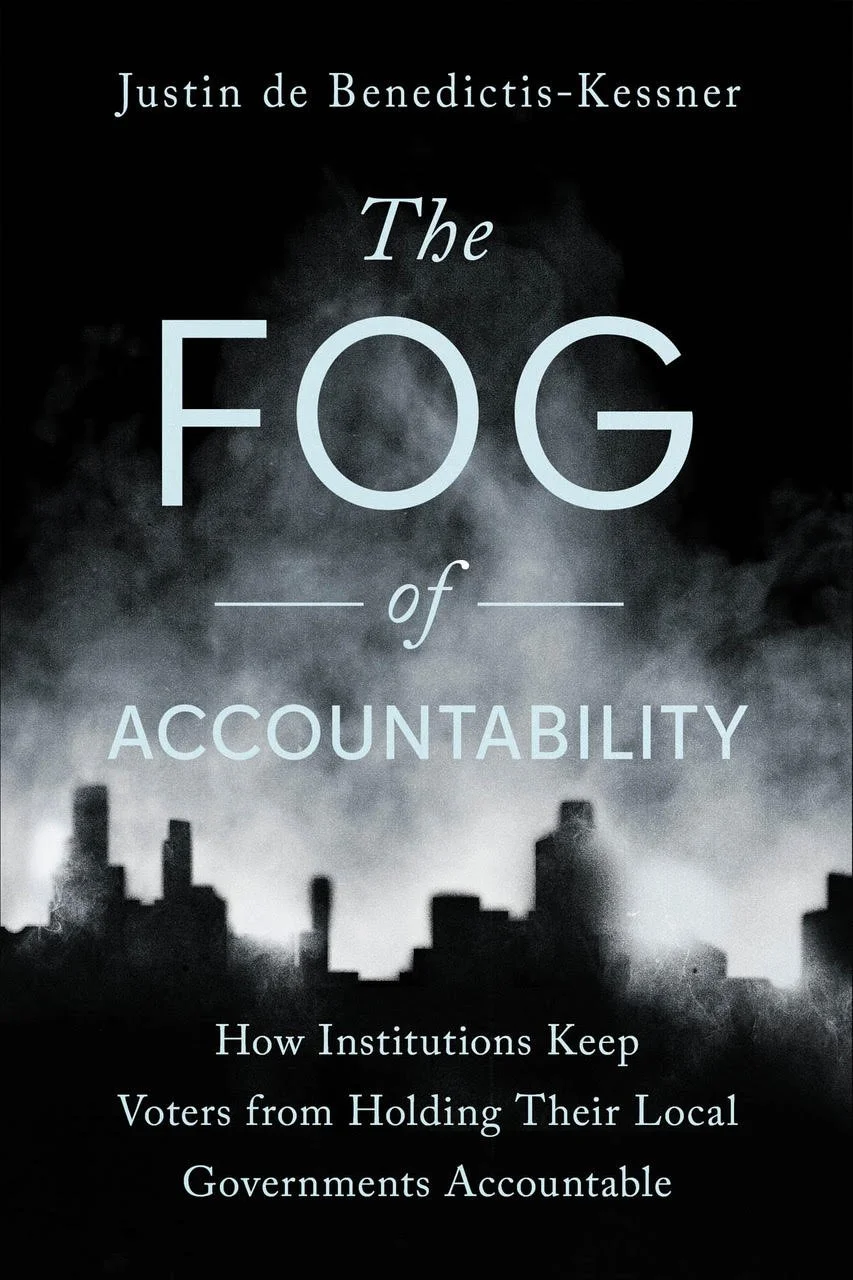
The Fog of Accountability
The Fog of Accountability asks a deceptively simple question: if local government is the level of government closest to our daily lives, why is it so difficult for voters to know who deserves credit when things go right—or blame when they don't? Justin de Benedictis-Kessner looks at the structures that make local accountability difficult, including weak electoral competition, complicated institutions, limited voter knowledge, and gaps in local media coverage.