
Why Public Space Matters
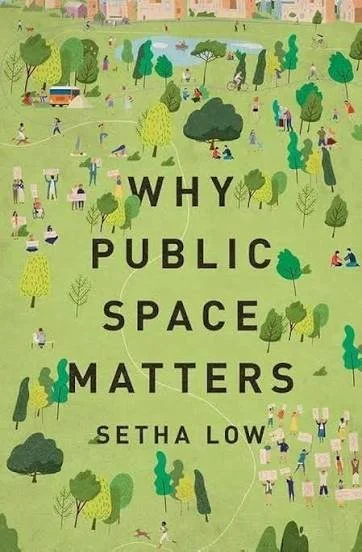
Why Public Space Matters examines how public space contributes to individual and societal flourishing. Based on thirty-five years of ethnographic fieldwork on plazas, walkways, parks, markets, and beaches in the United States, Costa Rica, Argentina, India, Kenya, and France, it presents a new understanding of the role of social contact, public culture, and affective atmosphere in the creation of places essential to everyday urban life. This multimethod inquiry emphasizes the importance of public space to social justice and democratic practices sustained through people’s experience of representation, recognition of difference, inclusion, and care, as well as opportunities for contestation and resistance. Cases studies demonstrate how public space provides a context for socialization of children and improves physical and mental well-being by encouraging walking and sports as well as access to natural landscapes. Sidewalks, parks, and plazas offer business opportunities through public markets and informal selling, and locations for festivals and celebrations that promote a sense of belonging and place attachment as well as transmit cultural practices. Parks, urban gardens, and waterways construct sustainable greenways for water retention and wildlife and improve ecosystem services. During disasters, public spaces become locations of social solidarity and support. In New York City, public spaces expanded to accommodate almost all needs and services during the COVID-19 pandemic. This book aims to realign urban priorities by highlighting the importance of public space for socially just cities and encouraging local activism with an ethnographic methods toolkit (TESS) for undertaking community research to address public space problems.