
The Sidewalk Ballet Field Guide
The Sidewalk Ballet Field Guide is a growing collection of people, organizations, projects, books, ideas and ongoing conversations about cities and the people who shape them. It grows out of the podcast, but extends well beyond it—connecting the people doing the work, the places where it’s happening, and the ideas, experiments and resources worth carrying forward. Think of it as part reference library, part trail of breadcrumbs: a way to follow the conversation wherever it leads.
Explore by type, browse alphabetically or by date, or search for something specific. Follow the tags to discover connections—or explore the map to see where the people, projects and ideas in the Field Guide take us.

James Rojas
James Rojas invites us to experience cities differently. Through his work in Latino Urbanism and participatory planning, he reveals how culture, memory, and everyday life shape the places we inhabit. From decorated front yards to neighborhood murals, his work reminds us that cities aren't simply designed by planners. They're continually created and recreated by the people who call them home.
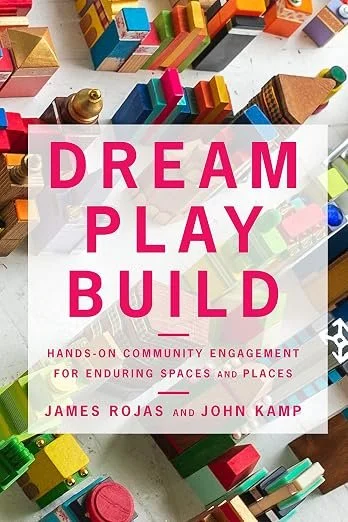
Dream Play Build:
James Rojas and John Kamp reimagine community engagement through memory, storytelling, and play. Dream Play Build offers practical methods for moving beyond conventional public meetings, using hands-on model-building and sensory exploration to help people imagine and shape the places they call home.
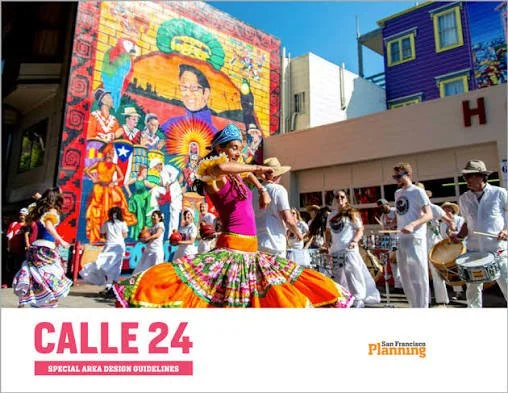
Calle 24 Latino Cultural District
In San Francisco's Mission District, Calle 24 Latino Cultural District works to preserve the neighborhood's living cultural heritage. Established in 2014 through decades of grassroots advocacy, the district celebrates Latino art, businesses, traditions, and community life while confronting the pressures of gentrification and displacement.
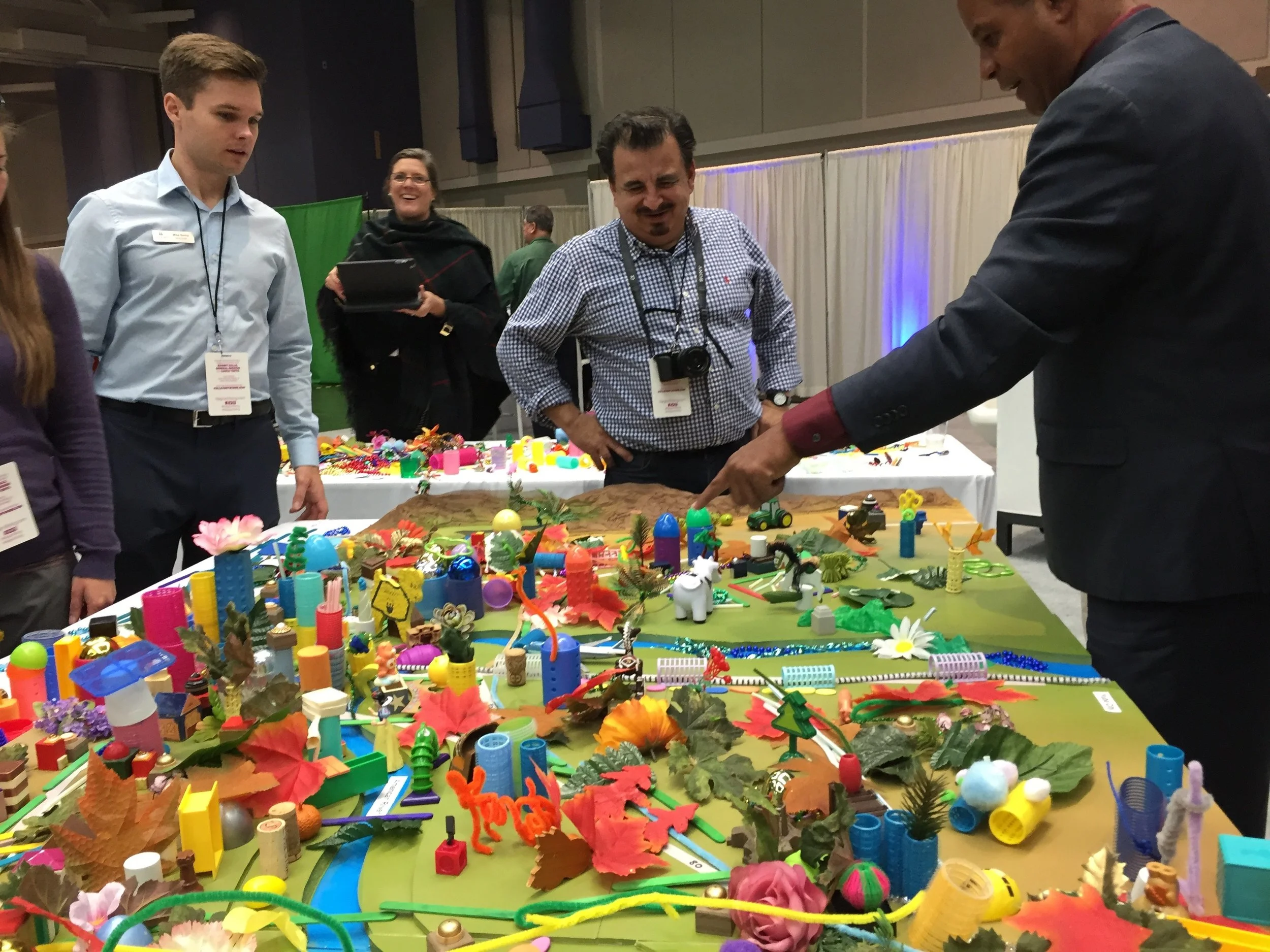
Place It!
What happens when community planning begins with play instead of maps? Developed by James Rojas, Place It! uses everyday objects, childhood memories, and collaborative model-building to help people imagine their communities. By valuing lived experience over technical expertise, the approach makes urban planning more accessible, creative, and inclusive.
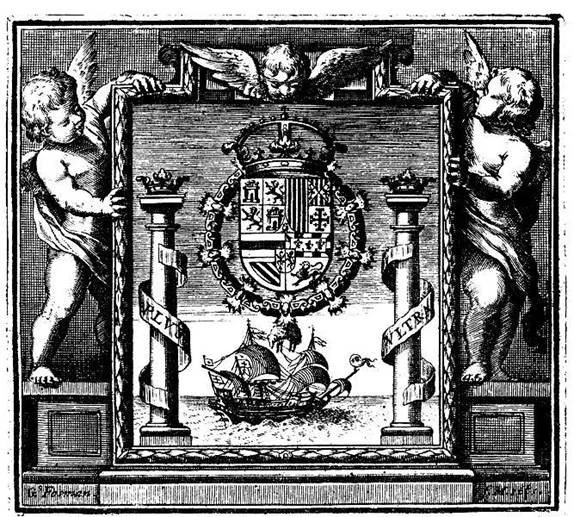
Laws of the Indies
Established under Spanish colonial rule, the Laws of the Indies helped shape the plaza-centered cities of Latin America and beyond. Their detailed planning ordinances created an enduring urban legacy, combining public gathering spaces, regular street grids, and civic institutions. Both an influential model of urban design and an instrument of colonial control, their impact can still be seen in how cities are organized, inhabited, and transformed today.
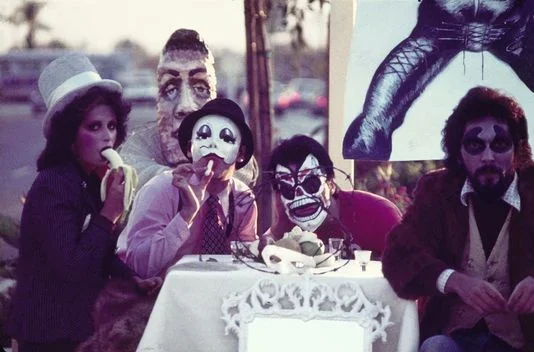
ASCO
ASCO was a groundbreaking Chicano art collective that transformed the streets of East Los Angeles into spaces for performance, protest, and cultural expression. Through provocative public interventions, photography, and conceptual art, the group challenged stereotypes, institutional exclusion, and conventional ideas about who gets to shape the identity of a city.