The Tenderloin Museum celebrates the rich history of one of San Francisco's most misunderstood neighborhoods. The 31 blocks of the Tenderloin district are the beating heart of the city peopled by immigrants and iconoclasts, artists and activists, sinners and saints. Visit the Tenderloin Museum today and encounter a kaleidoscopic American city in all its grit and glory.
Keep Exploring
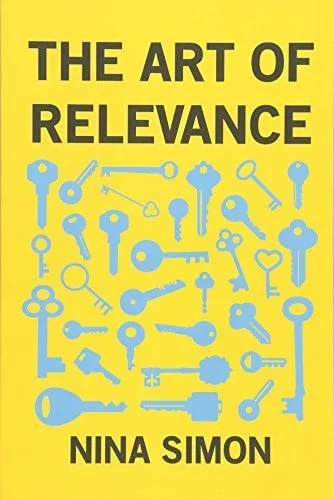
The Art of Relevance is Nina Simon’s practical exploration of how organizations create meaningful connections with the people they hope to serve. Simon argues that relevance isn’t about reaching a bigger audience—it’s about understanding what matters to people, recognizing barriers to participation, and creating genuine invitations to belong. For anyone working in placemaking, culture, or civic life, it offers a useful question to carry into almost any project: Who is this for, and how will they know?
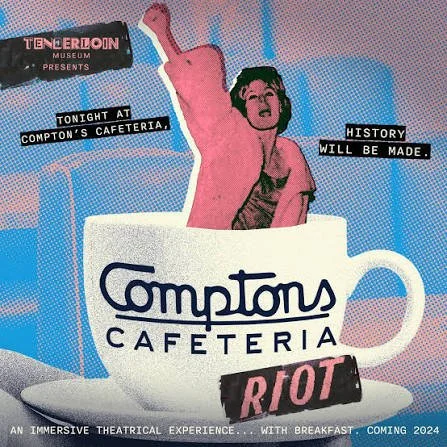
Compton’s Cafeteria Riots is an immersive theatrical production bringing audiences into the history of the 1966 uprising by transgender and queer people at Gene Compton’s Cafeteria in San Francisco’s Tenderloin. The production used performance and place to reconnect contemporary audiences with a pivotal piece of neighborhood and transgender history.
Katie Conry is Executive Director of the Tenderloin Museum, which celebrates and preserves the history, culture, and people of San Francisco’s Tenderloin neighborhood. Through exhibitions, public programs, performances, walking tours, and community partnerships, her work uses the neighborhood’s rich history as a foundation for storytelling, cultural preservation, and engagement with the Tenderloin as a living, evolving community.
SF Black Wall Street works to strengthen Black economic power, entrepreneurship, and community in San Francisco by connecting and supporting Black-owned businesses. Through advocacy, events, business development, and community-building, the organization helps sustain a thriving Black business ecosystem while celebrating the culture, history, and contributions of San Francisco’s Black communities.