
The Sidewalk Ballet Field Guide
The Sidewalk Ballet Field Guide is a growing collection of people, organizations, projects, books, ideas and ongoing conversations about cities and the people who shape them. It grows out of the podcast, but extends well beyond it—connecting the people doing the work, the places where it’s happening, and the ideas, experiments and resources worth carrying forward. Think of it as part reference library, part trail of breadcrumbs: a way to follow the conversation wherever it leads.
Explore by type, browse alphabetically or by date, or search for something specific. Follow the tags to discover connections—or explore the map to see where the people, projects and ideas in the Field Guide take us.
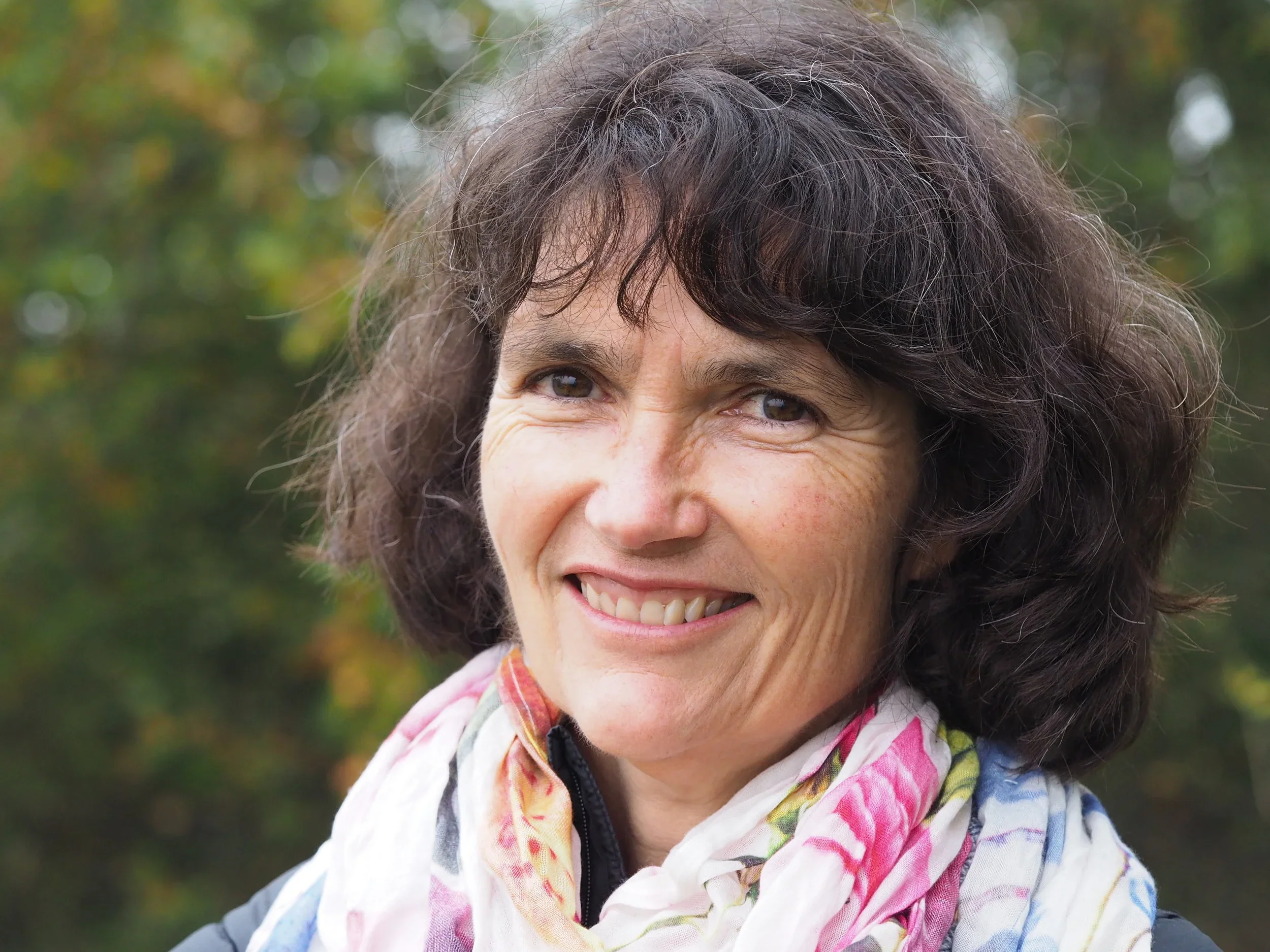
Susan Hughes
Susan Hughes is an award-winning Canadian author whose work spans children’s fiction, nonfiction, graphic novels, and picture books. She has written more than 30 books for young readers, often exploring history, community, social issues, and the ways people understand the world around them.
Her books include Walking in the City with Jane: A Story of Jane Jacobs, illustrated by Valérie Boivin, which introduces young readers to Jacobs and the observations about everyday city life that shaped her thinking
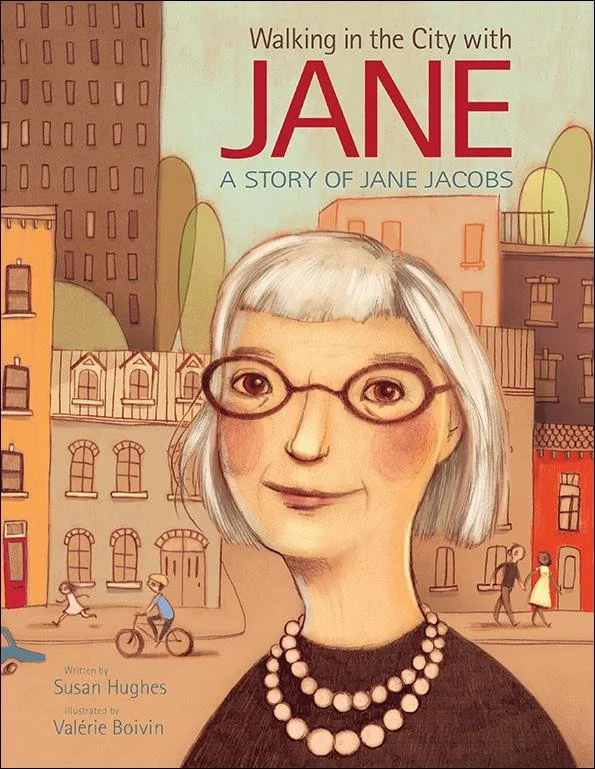
Walking in the City with Jane
Susan Hughes’ illustrated children’s book introduces young readers to Jane Jacobs through the curiosity and careful observation that shaped her ideas about cities. It follows Jacobs from her fascination with everyday urban life to her celebrated fight against plans that threatened New York neighborhoods.
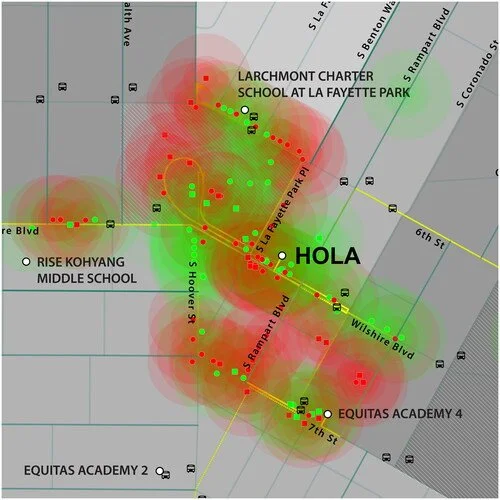
The Social Life of the Sidewalk
Although many young people travel independently in the city, transportation research seldom considers the experiential qualities of their routes, focusing instead on the functional aspects of mode choice. More in-depth understanding of how adolescents experience, negotiate, and perceive everyday mobility can support informed design, policy, and planning interventions to make these journeys safer and more enjoyable

High Line Fellows: Emerging Leaders Program
The High Line Fellows: Emerging Leaders Program is a three-year, paid youth development program for those in their sophomore year of high school through senior year. Fellows gain leadership skills, explore careers, and prepare for college and beyond—with a starting pay of $18/hour. This opportunity is more than just their best first job experience: Fellows get a one-of-a-kind hands-on learning opportunity that draws from the High Line’s core strengths, building their confidence as leaders while connecting with peers and professionals across New York City.
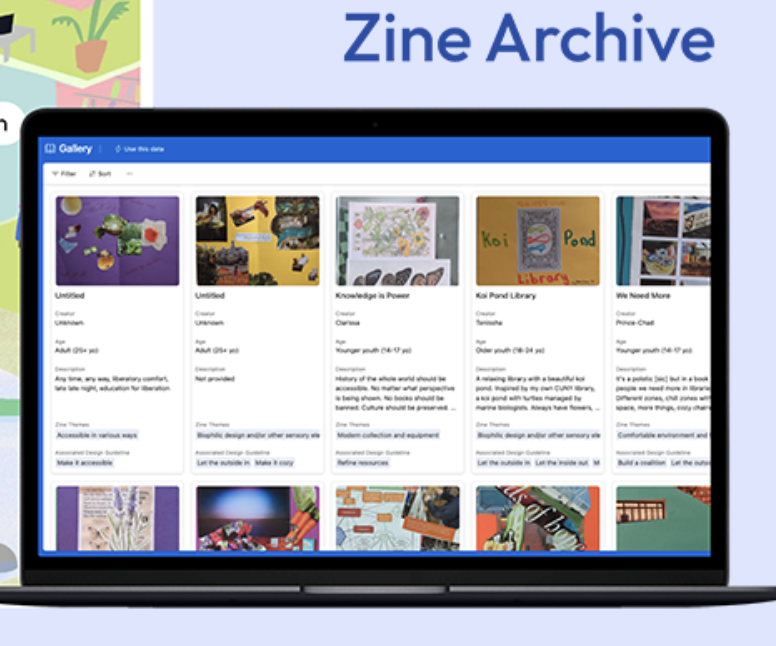
Zine Archive
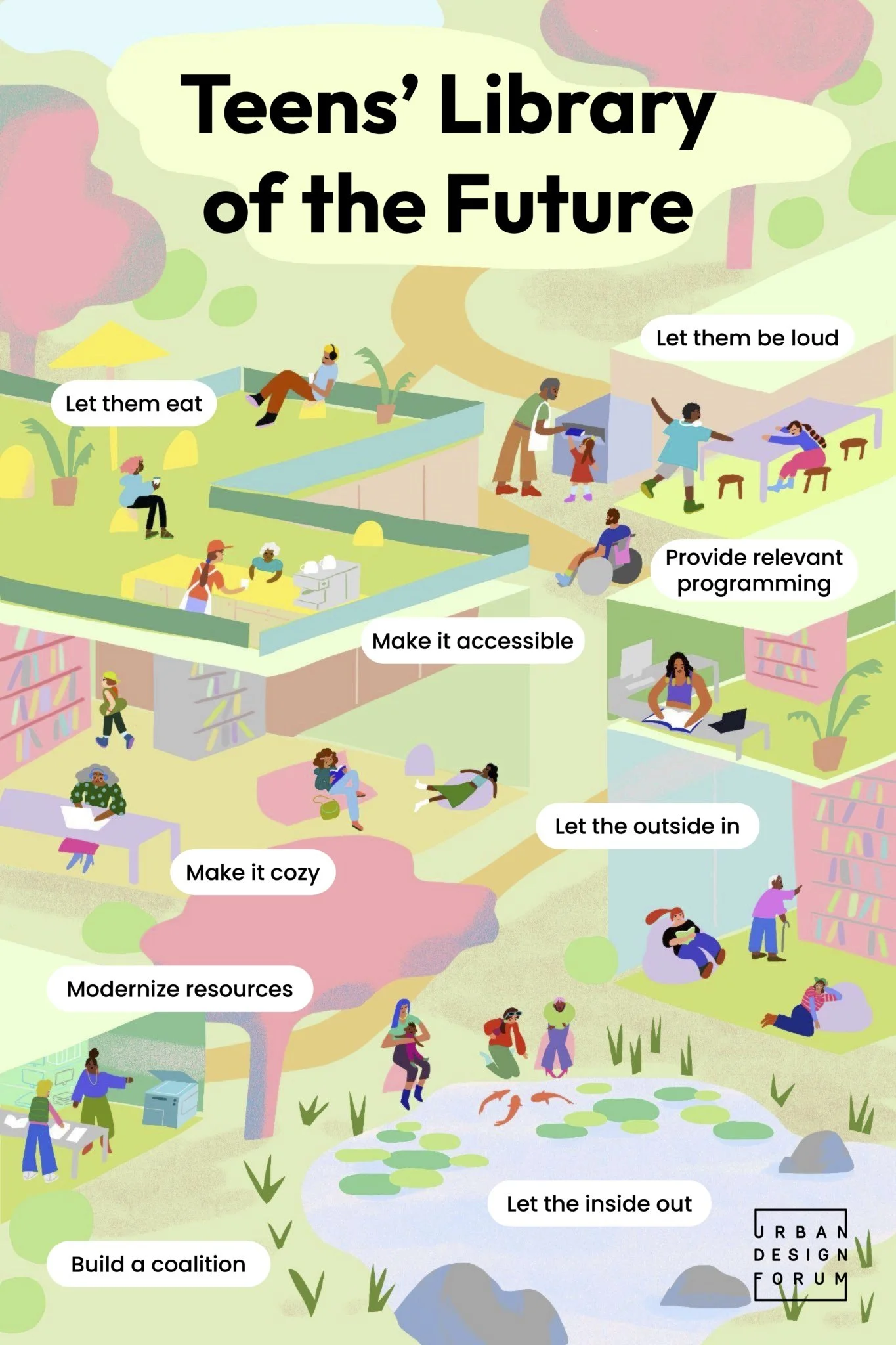
The Youth-Led Libraries Zine Archive is a collection of zines created by New York City teens imagining what the libraries of the future could—and should—be. Developed through the Urban Design Forum’s Youth-Led Libraries of the Future project, the zines capture young people’s ideas about belonging, creativity, safety, technology, and public space, turning their experiences and aspirations into a colorful record of youth-led civic imagination.
Youth Led Libraries of the Future
Youth-led Libraries of the Future is an Urban Design Forum project exploring how young people can help shape libraries as spaces for learning, connection, creativity, and belonging. Working directly with teens, the project developed an arts-based curriculum, a zine archive, and nine youth-led design guidelines—reimagining libraries not simply as places for young people, but as civic spaces created with them.
Child Friendly Cities Initiative
UNICEF’s Child Friendly Cities Initiative helps local governments put children’s rights into practice through municipal policy and planning. Launched with UN-Habitat in 1996, the global network encourages cities to involve children themselves in creating communities where young people can thrive.
Child Friendly Map
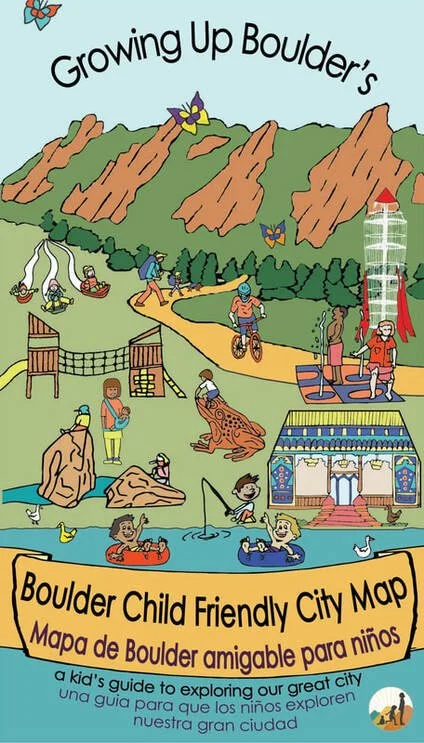
In 2019, Growing Up Boulder embarked upon a year-long process to co-create the nation's first, printed, bilingual, child friendly city map. We did so with almost 800 children and families, half of whom were from underrepresented populations. In May 2019, GUB published the first edition of the printed, bilingual, free map. In October 2019, we published the second edition of the printed map.
Placemaking for Children and Youth
Victoria Derr, Louise Chawla, and Mara Mintzer offer a practical guide to involving children and young people in urban planning and design. Drawing on international examples, the book combines principles, case studies, and methods for meaningful, ethical, and inclusive youth participation.
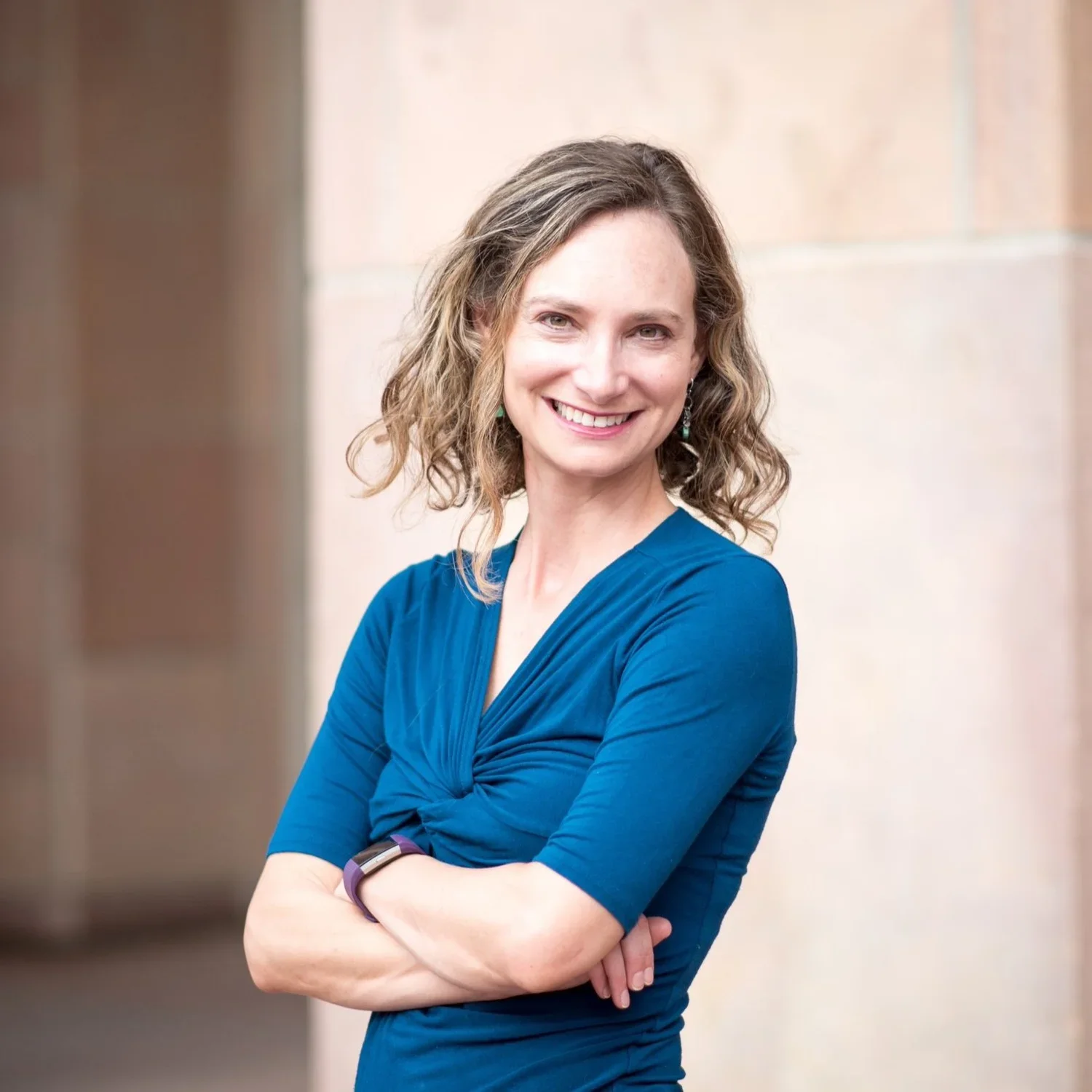
Mara Mintzner
Mara Mintzer helped found Growing Up Boulder (GUB) in 2009. A passionate advocate for child-friendly cities, Mara presents and writes internationally on the topic of engaging young people in inclusive community planning and development. Her expertise in engaging children and youth in meaningful ways to shape their own cities is requested by government and community organizations around the world.
Growing up Boulder
Growing Up Boulder brings children and young people directly into the planning and design of their communities. Founded in 2009, the nonprofit works with schools, government, designers, and families to ensure young residents have a meaningful voice in decisions about the places where they live.
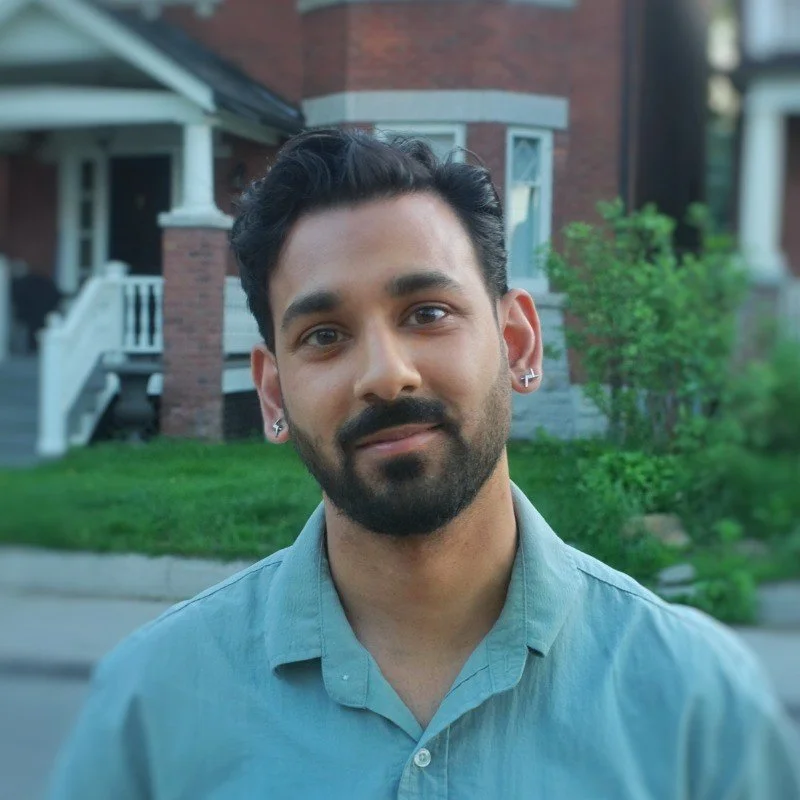
Rajesh Sankat
With roots in Toronto, Canada, Rajesh is a writer, facilitator, and community-centered design practitioner at 3×3 Design. His work sits at the nexus of inclusive design and urban placemaking to translate community insights and aspirations into strategy development, the built environment, and narrative change. Rajesh has had his work and writing featured in AZURE and Afternoon Magazine, and holds a Master of Public Policy from the University of Toronto.
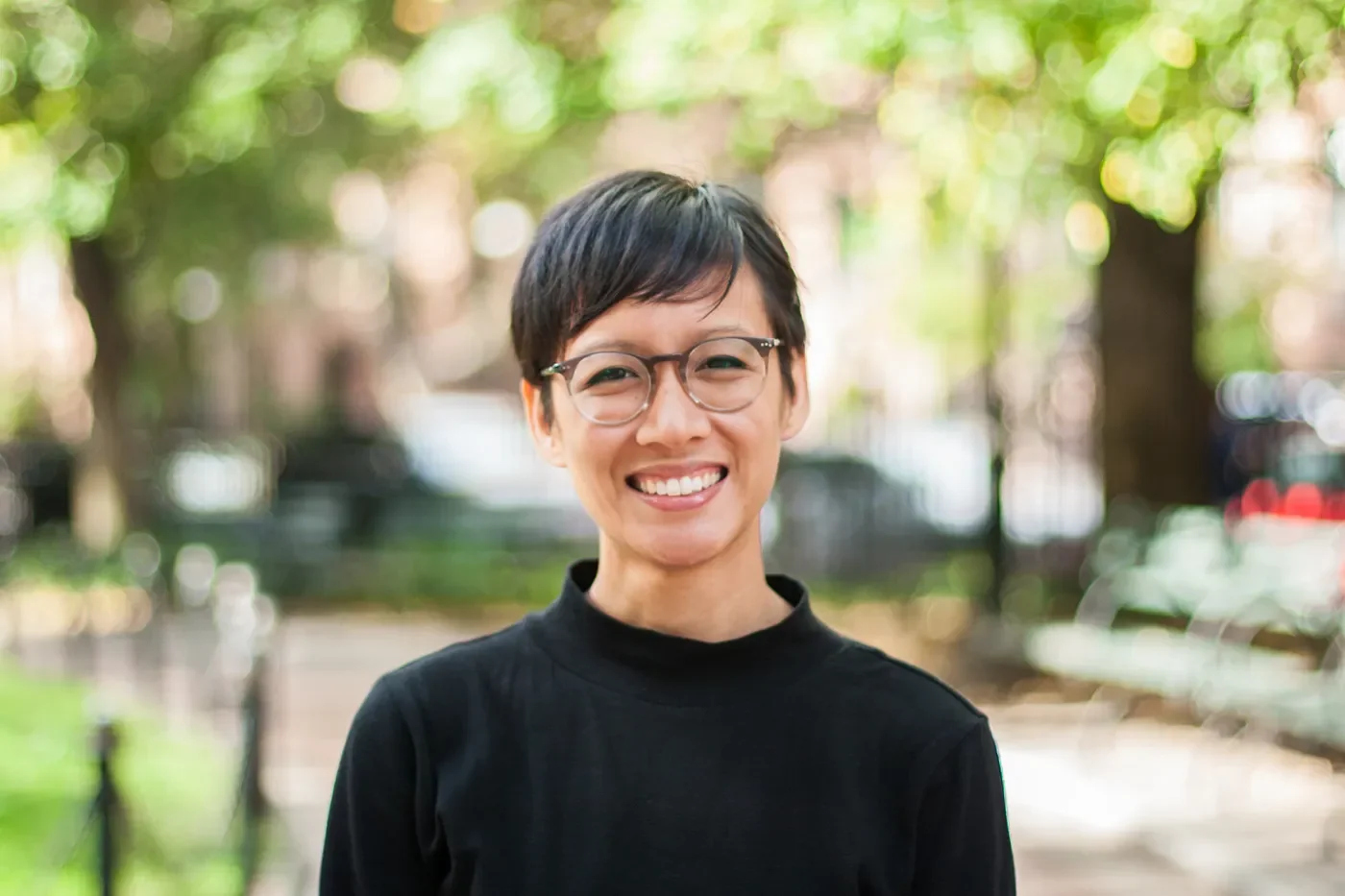
Nichole Aquino
Nichole Aquinois an UX Designer and Researcher with a decade of experience working at the intersection of design, technology, and social impact. She has shaped design and strategy for EdTech and CivicTech products, previously working at Newsela, The Mayor’s Office of Economic Opportunity, and Blue Ridge Labs. She loves solving complex problems creatively and collaboratively, creating meaningful user experiences both on- and offline.
Donelle Wedderburn
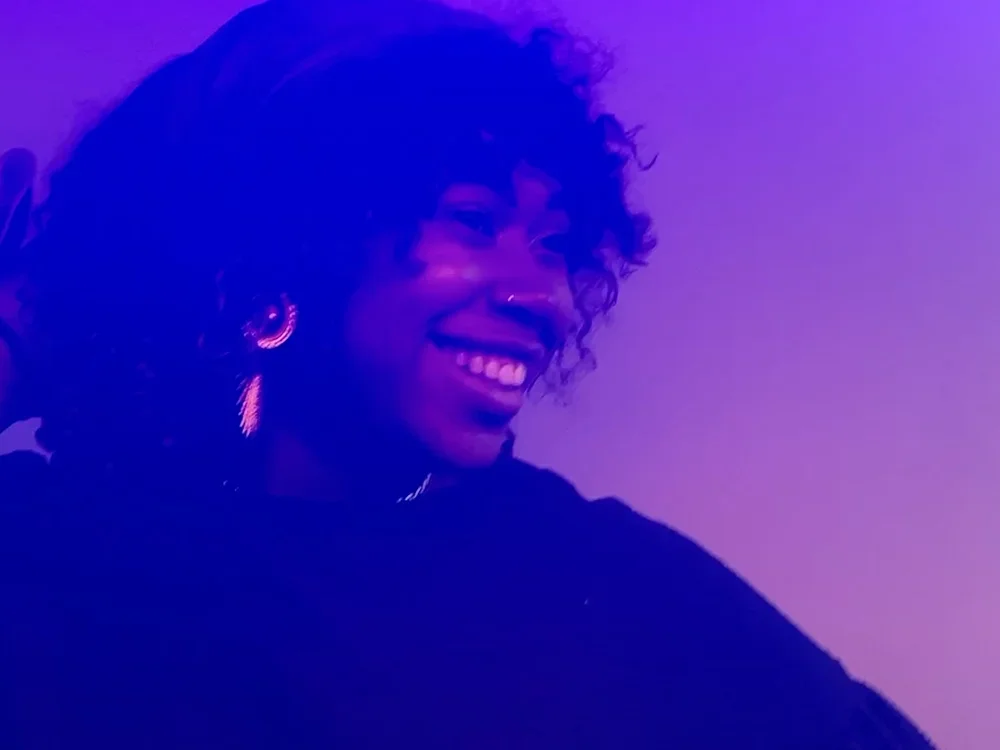
Donelle is a Jamaican-American writer and audio producer. Her work sits at the intersection of Black history, oral storytelling, and the built environment. She has contributed to developing and producing a range of broadcasts and audio documentaries for NPR, ABC News, Food Culture Collective x Heal Food Alliance, and Ten Percent Happier. In her free time, she loves to write poetry and draw connections between literature and landscape. Black women writers like Jamaica Kincaid, Toni Morrison, and June Jordan moved through the worlds of storytelling, urban planning, and design and showed me it was possible to do the same.
Ayana Smith
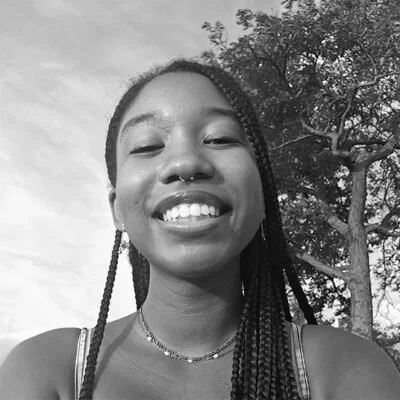
Ayana Smith is a native New Yorker and experienced youth organizer whose current practice focuses on implementing participatory creative placekeeping projects as a tool to increase public safety in and around public housing developments. Prior to her current position, she held leadership positions at Teens Take Charge and Student Voice and has served as a youth advisor for several organizations such as Race Forward. Her work has been featured in publications such as the New York Daily News and presented at conferences such as Grantmakers for Education through the National Public Education Support Fund.
Eva’s
Eva’s Initiatives for Homeless Youth is a Toronto-based organization working to end youth homelessness through shelter, housing support, employment and life-skills programs, and long-term pathways to independence. Across three shelter sites, Eva’s combines immediate safety with culturally responsive care and practical support designed to help young people build stability, community, and lasting housing.