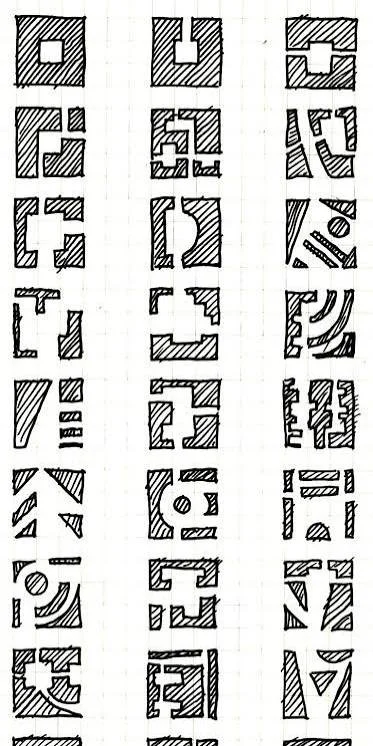
Published in 1977, A Pattern Language: Towns, Buildings, Construction offers a radically human-centered approach to designing the places where we live. Developed by architect and theorist Christopher Alexander and his collaborators, the book identifies 253 recurring patterns of the built environment, from the organization of regions and neighborhoods to the placement of windows, gardens, and places to sit.
Each pattern describes a problem that arises in the relationship between people and their surroundings, explains the conditions that shape it, and proposes a design response. Together, the patterns form a language that can be combined and adapted to create places that respond to human needs rather than imposing a predetermined architectural vision.
Among its patterns are Identifiable Neighborhood, Activity Nodes, Small Public Squares, Street Café, and Sitting Wall. These are not simply design prescriptions, but observations about how people gather, move, interact, and find comfort in their environments.
The book also challenges the idea that designing cities and buildings should be the exclusive domain of professionals. By making design principles accessible and interconnected, Alexander and his colleagues sought to give individuals and communities greater agency in shaping their surroundings.
Its influence extends well beyond architecture, inspiring approaches to urban planning, community design, software development, and the study of complex systems.
A Pattern Language begins with the lived experience of place, recognizing that successful environments emerge from an understanding of how people actually inhabit and transform the spaces around them.
Keep Exploring