
The Sidewalk Ballet Field Guide
The Sidewalk Ballet Field Guide is a growing collection of people, organizations, projects, books, ideas and ongoing conversations about cities and the people who shape them. It grows out of the podcast, but extends well beyond it—connecting the people doing the work, the places where it’s happening, and the ideas, experiments and resources worth carrying forward. Think of it as part reference library, part trail of breadcrumbs: a way to follow the conversation wherever it leads.
Explore by type, browse alphabetically or by date, or search for something specific. Follow the tags to discover connections—or explore the map to see where the people, projects and ideas in the Field Guide take us.

James Rojas
James Rojas invites us to experience cities differently. Through his work in Latino Urbanism and participatory planning, he reveals how culture, memory, and everyday life shape the places we inhabit. From decorated front yards to neighborhood murals, his work reminds us that cities aren't simply designed by planners. They're continually created and recreated by the people who call them home.
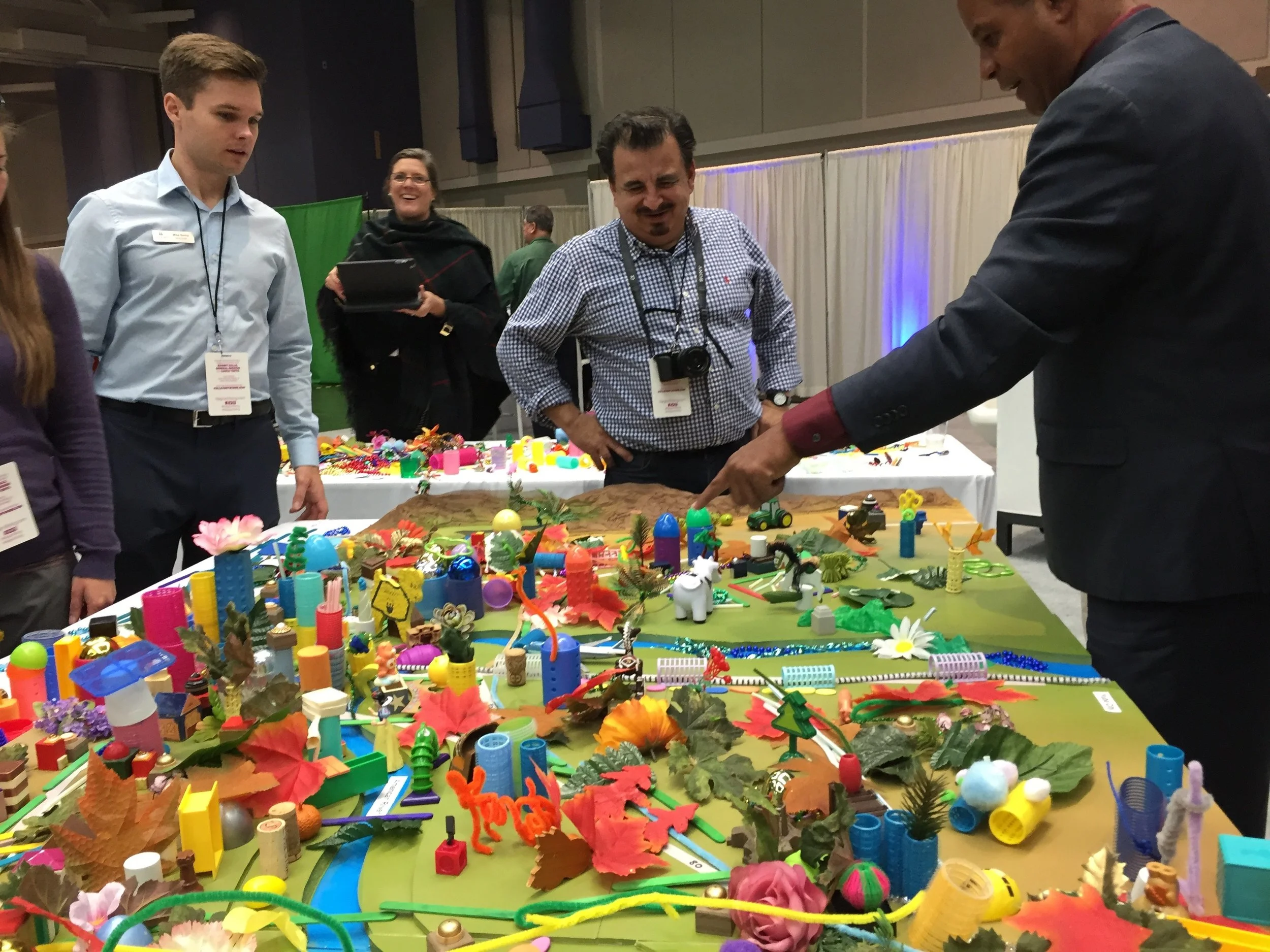
Place It!
What happens when community planning begins with play instead of maps? Developed by James Rojas, Place It! uses everyday objects, childhood memories, and collaborative model-building to help people imagine their communities. By valuing lived experience over technical expertise, the approach makes urban planning more accessible, creative, and inclusive.
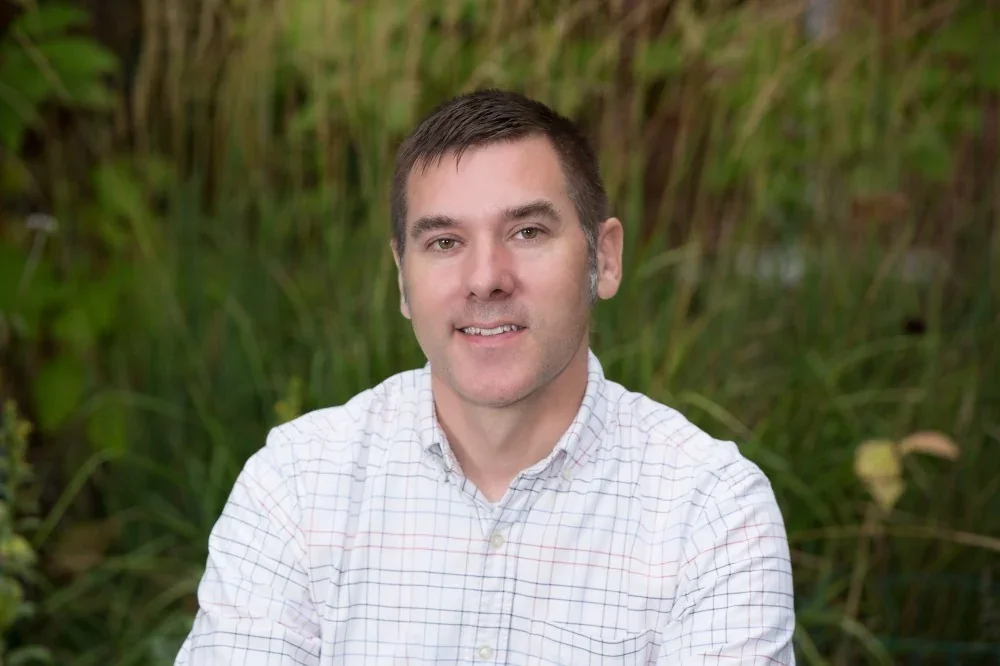
John Kamp
Oakland-based designer John Kamp brings together landscape design, ecology, and creative community engagement. Through his practice Prairieform and his collaboration with James Rojas, he uses storytelling, sensory exploration, and hands-on design to help communities imagine and shape their own environments. He is coauthor of Dream Play Build.

Placemaking for Children and Youth
Victoria Derr, Louise Chawla, and Mara Mintzer offer a practical guide to involving children and young people in urban planning and design. Drawing on international examples, the book combines principles, case studies, and methods for meaningful, ethical, and inclusive youth participation.