
The Sidewalk Ballet Field Guide
The Sidewalk Ballet Field Guide is a growing collection of people, organizations, projects, books, ideas and ongoing conversations about cities and the people who shape them. It grows out of the podcast, but extends well beyond it—connecting the people doing the work, the places where it’s happening, and the ideas, experiments and resources worth carrying forward. Think of it as part reference library, part trail of breadcrumbs: a way to follow the conversation wherever it leads.
Explore by type, browse alphabetically or by date, or search for something specific. Follow the tags to discover connections—or explore the map to see where the people, projects and ideas in the Field Guide take us.
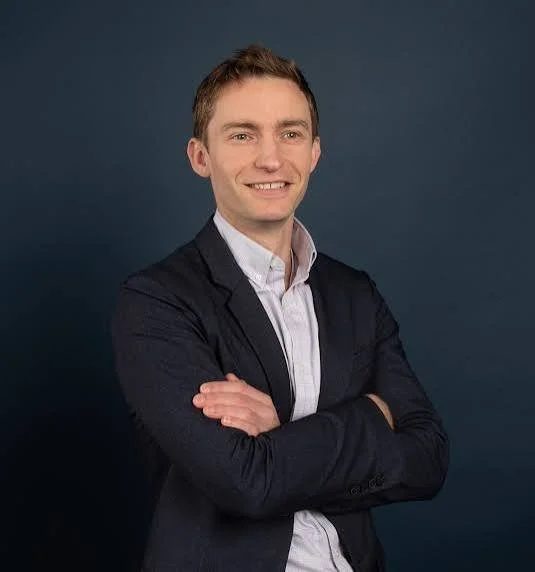
Justin de Benedictis-Kessner
Justin de Benedictis-Kessner studies urban politics and the surprisingly difficult question of accountability: when something in a city works—or doesn’t—do residents actually know who is responsible? His work explores how complex institutions, elections, media, and everyday public services shape the relationship between cities and the people they serve.
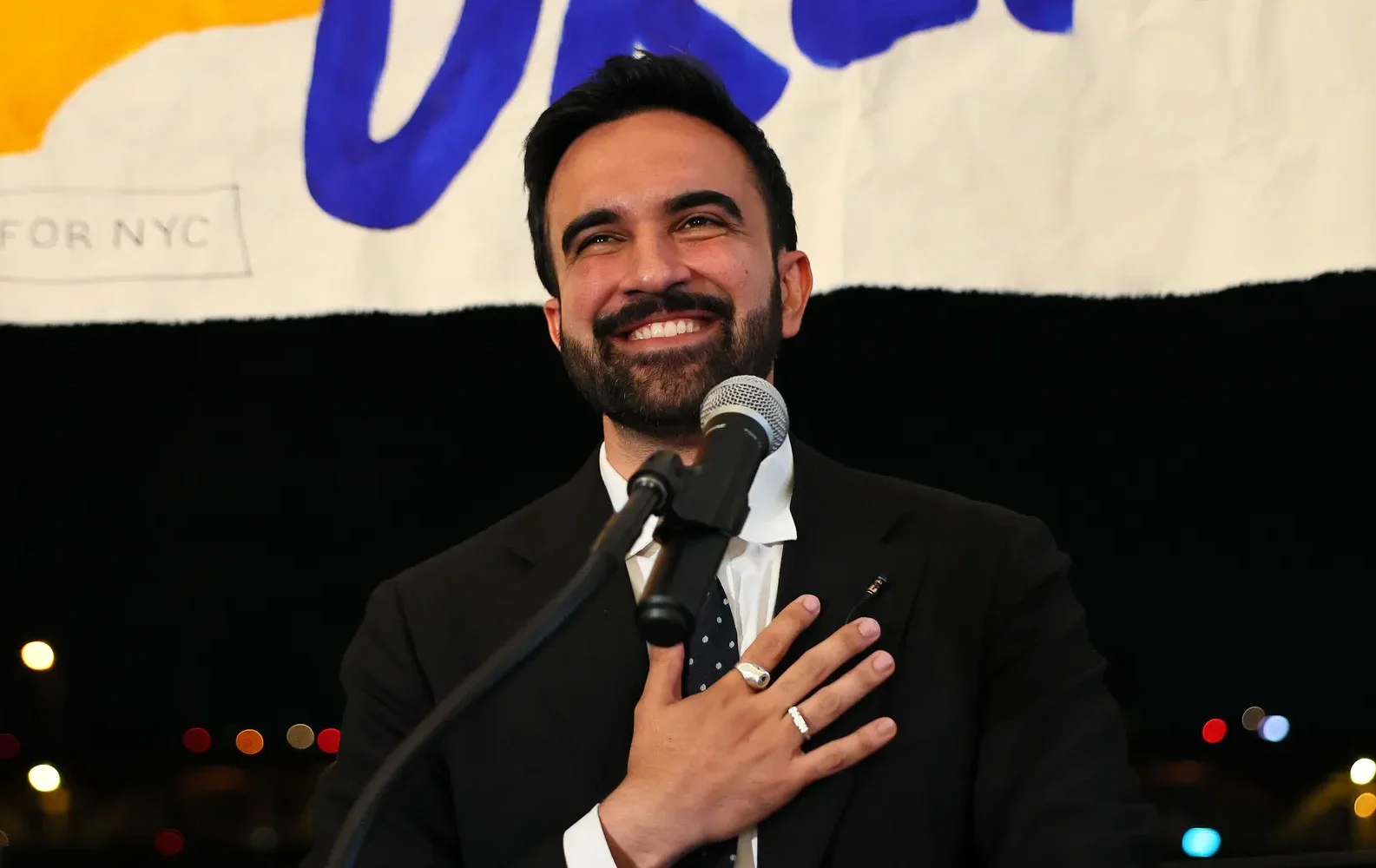
Zohran Mamdani
Zohran Mamdani is the Mayor of New York City. His administration has experimented with bringing organizing directly into city government, including the creation of the Mayor’s Office of Mass Engagement to expand the ways New Yorkers participate in shaping public decisions.

Boston Office of Civic Organizing
The Boston Office of Civic Organizing works to make it easier for residents to participate in civic life and take action in their neighborhoods. Its programs range from civic leadership and neighborhood events to micro-grants, mobile City Hall services, and Love Your Block, which supports resident-led neighborhood cleanups. The office describes its role as reducing barriers to civic participation and helping residents “connect, collaborate and take action.”
Warm Cookies of the Revolution
Warm Cookies of the Revolution was Denver’s “civic health club,” founded by artist and organizer Evan Weissman. Through gatherings combining art, conversation, food, games, and unexpected formats, it created approachable ways for people to wrestle with public issues and practice democracy together.