
The Sidewalk Ballet Field Guide
The Sidewalk Ballet Field Guide is a growing collection of people, organizations, projects, books, ideas and ongoing conversations about cities and the people who shape them. It grows out of the podcast, but extends well beyond it—connecting the people doing the work, the places where it’s happening, and the ideas, experiments and resources worth carrying forward. Think of it as part reference library, part trail of breadcrumbs: a way to follow the conversation wherever it leads.
Explore by type, browse alphabetically or by date, or search for something specific. Follow the tags to discover connections—or explore the map to see where the people, projects and ideas in the Field Guide take us.
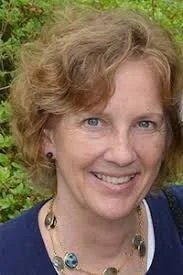
Judy Scott Feldman
Judy Scott Feldman has spent more than two decades championing the National Mall as America's premier civic gathering place. As founder of the National Mall Coalition, she has worked to protect the Mall's historic legacy while advocating for its continued evolution as a place where future generations can gather, commemorate, celebrate, and participate in American democracy.
Her work reminds us that preserving great public spaces isn't about freezing them in time—it's about ensuring they remain meaningful, accessible, and relevant for the publics still to come.
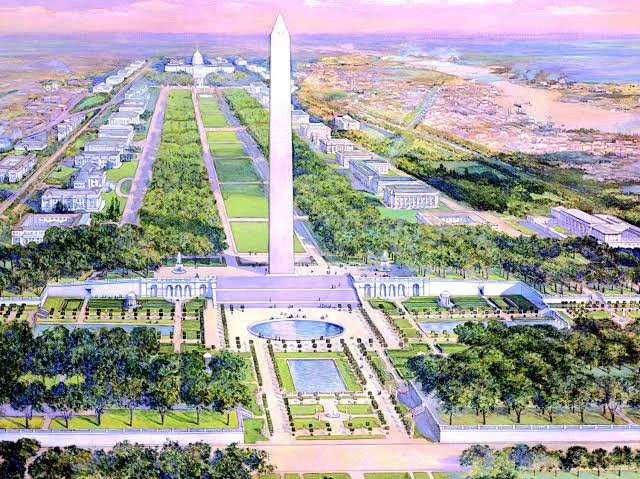
National Mall Coalition
The National Mall Coalition advocates for comprehensive, forward-looking stewardship of America’s most prominent civic gathering place. Bringing together preservationists, planners, educators, and citizens, it works to ensure the National Mall remains vital, accessible, and capable of serving future generations.
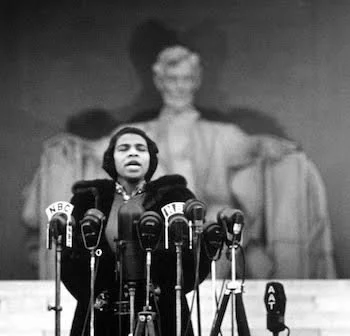
Marian Anderson
Marian Anderson’s 1939 concert on the steps of the Lincoln Memorial drew an integrated crowd of 75,000 after she was denied Constitution Hall because of her race. The performance became a defining example of public space expanding who could gather, belong, and be seen as part of “We the People.”