
Submersible Embankment Project
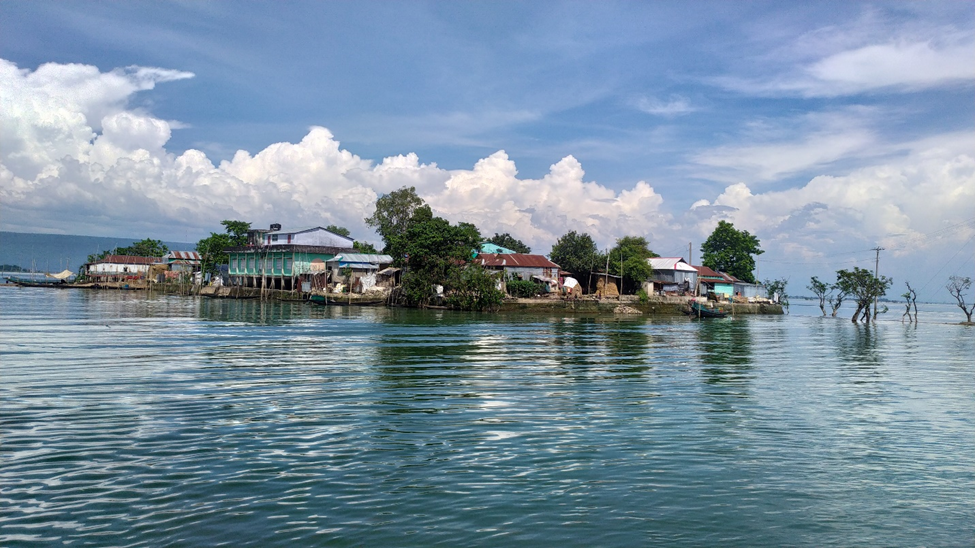
In the Sunamganj district of northeastern Bangladesh, life and agriculture are shaped by haors—large, shallow wetlands that transform during the rainy season into vast interconnected bodies of water. Seasonal flooding is essential to the ecosystem: it supports fish habitat, deposits nutrient-rich silt, and helps sustain the region’s rice production. The trick is timing. The water needs to arrive after the rice has been harvested, not before.
Submersible embankments have been part of the region’s response to that challenge for generations. After a devastating 2018 flash flood damaged existing dams and caused major crop losses, the government developed a new environmentally sensitive embankment using geo-bags, rock, soil, and sand. Unlike conventional flood-control infrastructure designed simply to hold water back, portions of the embankment are deliberately removed after the harvest so seasonal water can return to the landscape. Before the next growing season, they are rebuilt.
What makes the project particularly interesting is who does the building. Plans originally called for workers from outside the area, but local residents approached government engineers and argued that they should do the work themselves. Their ancestors had built similar embankments, they possessed knowledge of the landscape, and keeping the jobs local would return some of the project’s economic investment to communities still recovering from the flood. Government engineers agreed. Community members now participate in rebuilding and dismantling portions of the embankment as part of the annual agricultural cycle.
The result is an unusual example of placemaking through infrastructure. The embankment isn't a plaza, park, or beautification project. It is working infrastructure that has become entwined with local knowledge, livelihood, ecology, and collective heritage. Rather than importing a fixed planning solution, the project combines government resources and engineering with the community’s understanding of how this particular landscape works.
For the Field Guide, that's what makes the Submersible Embankment Project compelling: place isn't simply where the infrastructure gets built. Place determines how the infrastructure works—and the people who live there become participants in making and remaking it.