Democracy of Public Space
This is the story of an unfinished vision, a civic stage, and the generations of people who continue the work of becoming "We."
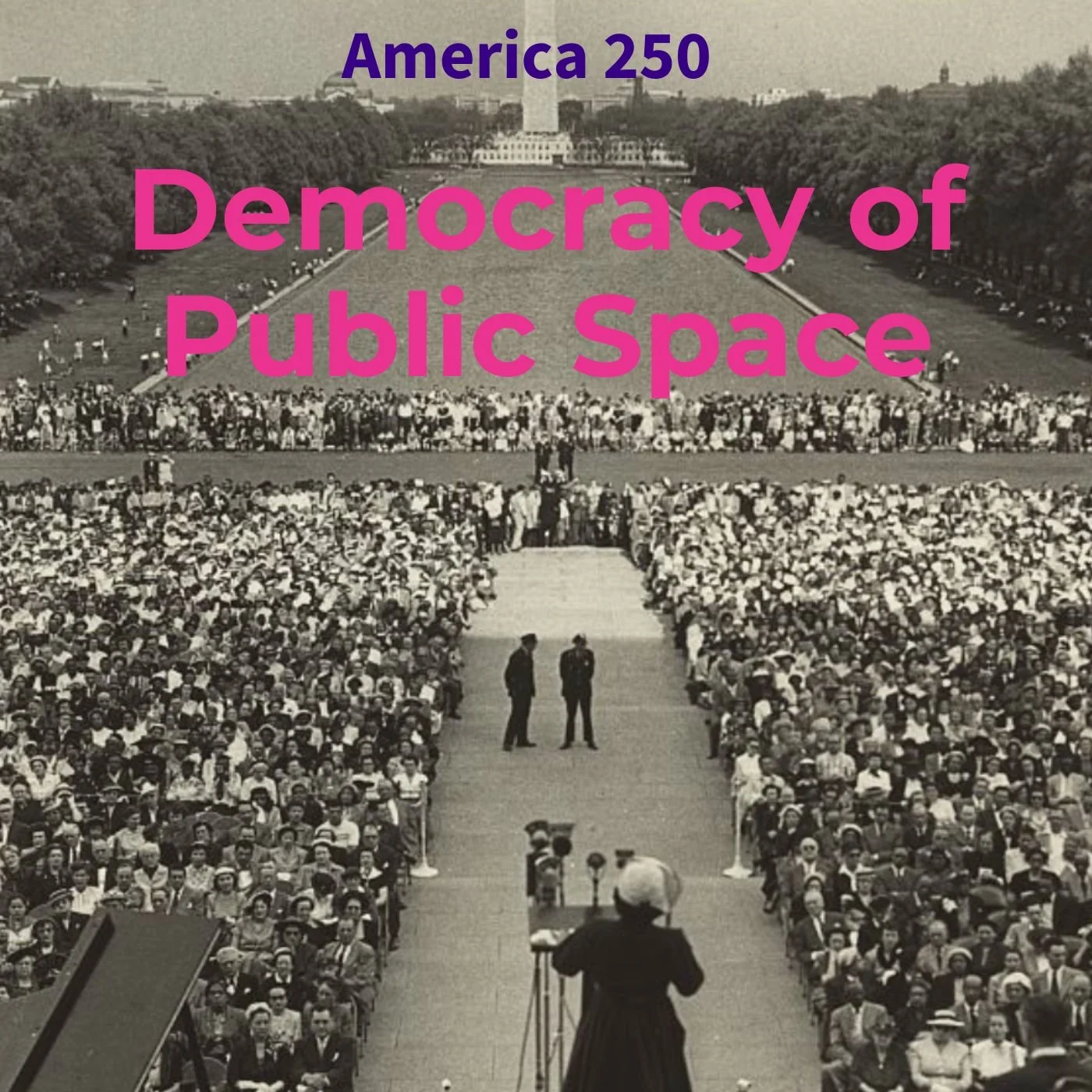
The Constitution begins with "We the People."
The rest of the American story is, in many ways, the unfolding of who becomes "We."
This special Sidewalk Ballet documentary explores how have our parks, streets, libraries, memorials, and public squares helped expand that answer, framed in the history and evolution of the National Mall.
Created for America's 250th anniversary, Democracy of Public Space explores how public space is more than the backdrop for democracy—it is where democracy is practiced, challenged, remembered, and continually reimagined.
Drawing together conversations with historians, planners, scholars, and voices from across The Sidewalk Ballet, this documentary asks a simple question: How do we continue to become "We the People"?
Part One: Do We Mean It?
Part One begins on the steps of the Lincoln Memorial. From the vision of Peter L'Enfant and the McMillan Plan to the enduring significance of the National Mall, we explore why public space has always been central and critical to the American experiment.
At the heart of the episode is a simple question: When we say "We the People"... do we mean it?
Part Two: Leaving Room
Democracy is never finished.
Part Two explores the tensions that have continually reshaped America's public spaces—and the people they represent. Through stories of protest, remembrance, inclusion, and everyday acts of community, we discover that democracy isn't only something we inherit. It is something each generation is called to strengthen, redefine, and pass on.
This episode asks, What kind of "We the People" will we leave for those who come next?
Voices in the Episode
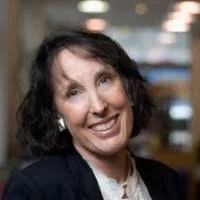
Setha Low
Distinguished Professor of Environmental Psychology, Anthropology, Geography, and Women's Studies at the Graduate Center, City University of New York.
Setha Low is one of the world's leading scholars of public space. For more than four decades, her research has explored the relationship between people, place, culture, and democracy, examining how parks, plazas, streets, and other shared spaces shape civic life. Her work has helped redefine the way cities understand public space—not simply as physical infrastructure, but as a reflection of who belongs, who participates, and who feels welcome.
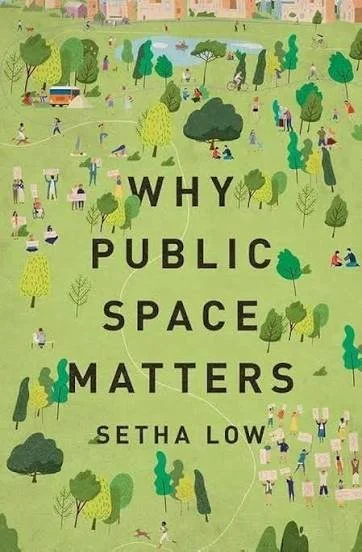
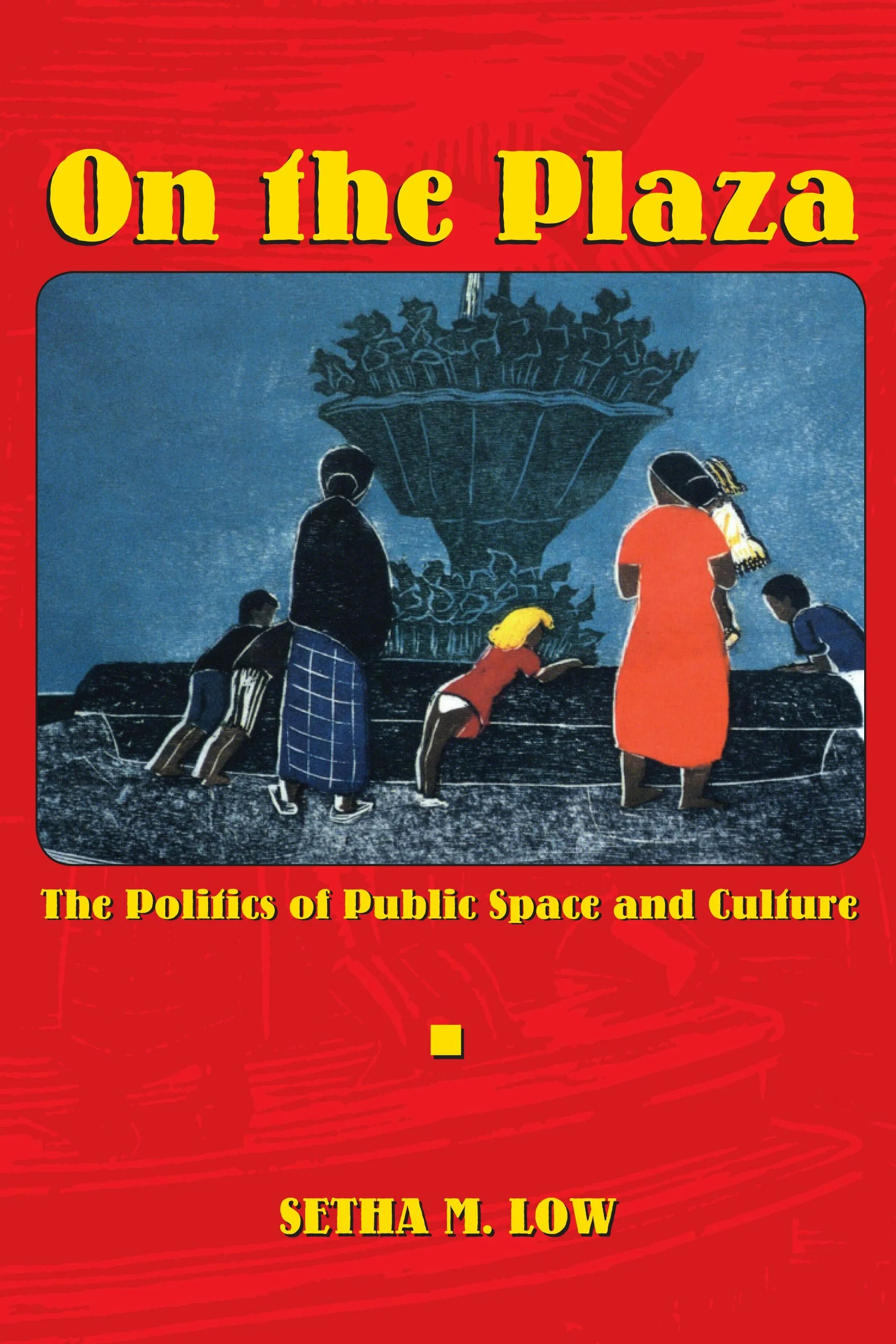
Her books include On the Plaza, Spatializing Culture, and Why Public Space Matters.
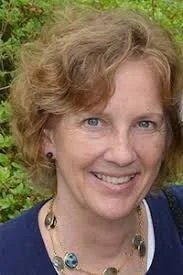
Judy Scott Feldman
Founder and Chair, National Mall Coalition
Judy Scott Feldman has spent more than two decades championing the National Mall as America's premier civic gathering place. As founder of the National Mall Coalition, she has worked to protect the Mall's historic legacy while advocating for its continued evolution as a place where future generations can gather, commemorate, celebrate, and participate in American democracy.
Her work reminds us that preserving great public spaces isn't about freezing them in time—it's about ensuring they remain meaningful, accessible, and relevant for the publics still to come.
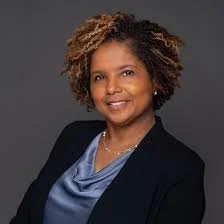
Sheila Foster
Professor at Columbia University's Climate School and an affiliated faculty member at Columbia Law School.
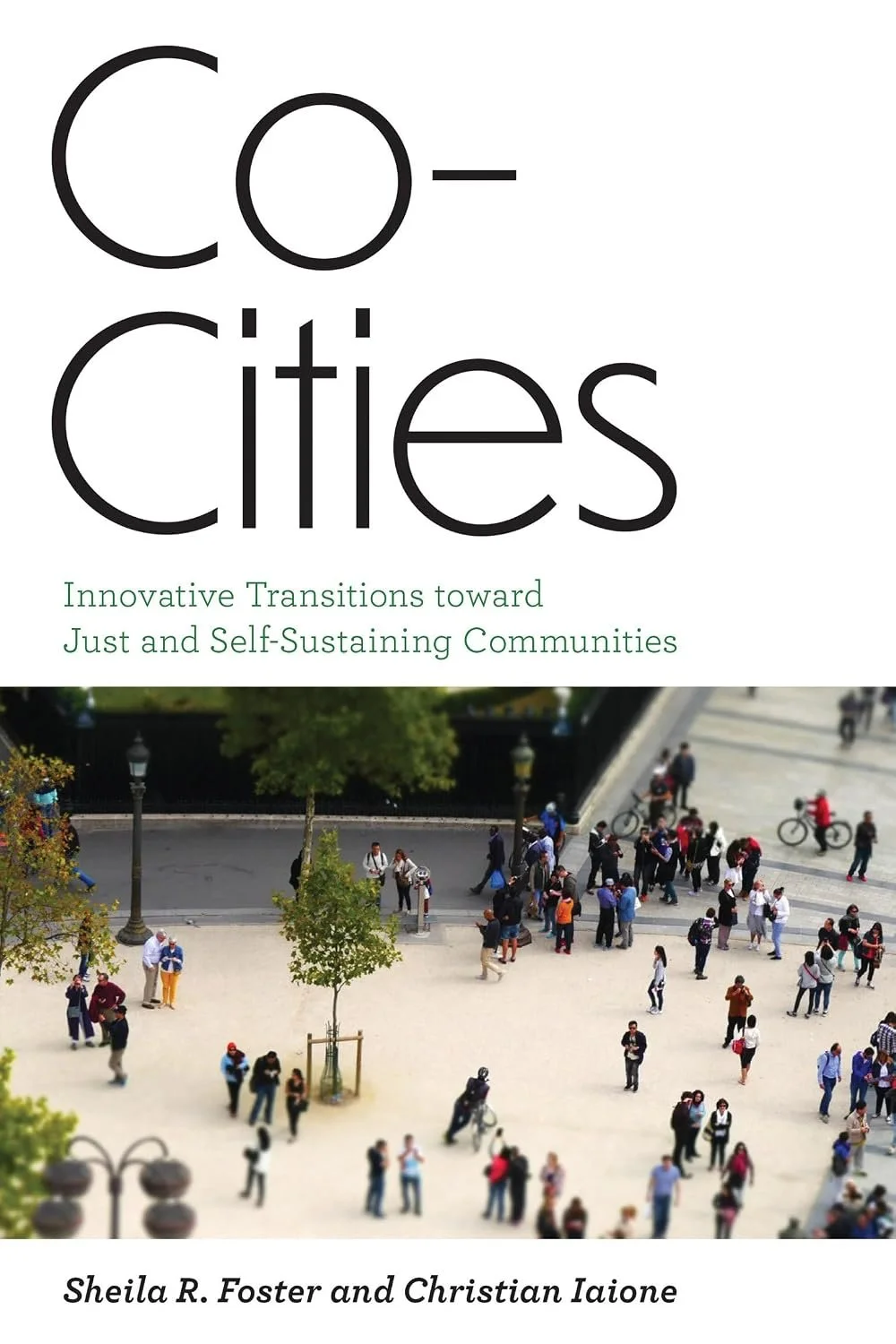
Sheila Foster is a leading scholar of cities, democracy, and the urban commons. Her work explores how communities share responsibility for the public spaces, institutions, and resources that shape everyday life. Through her research on governance, equity, and collective stewardship, she challenges conventional ideas about who creates, cares for, and benefits from the places we share.
Her work invites us to see democracy not simply as a system of government, but as a practice rooted in the stewardship of our common spaces.
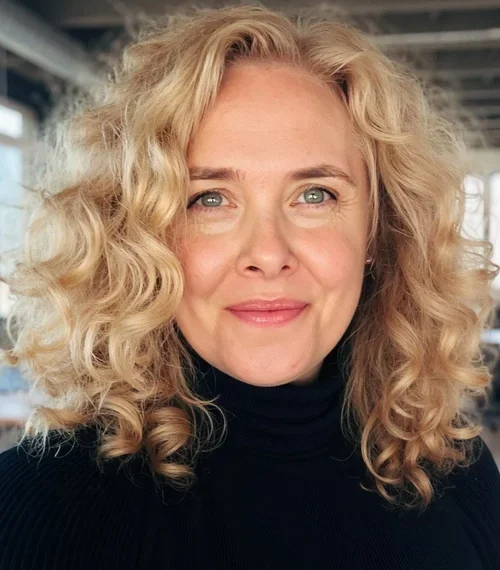
Cara Courage
Author, Researcher, and Creative Placemaking Practitioner
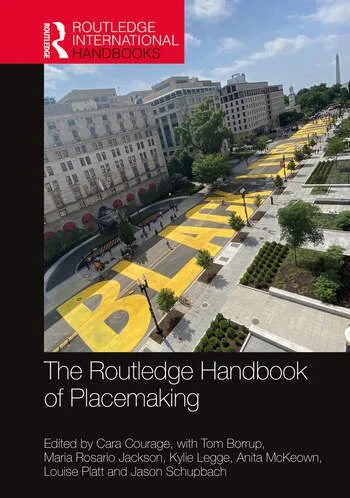
Dr. Cara Courage is an internationally recognized researcher, writer, and practitioner whose work explores the relationship between place, creativity, belonging, and civic life. Her research spans community engagement, cultural development, and trauma-informed placemaking, helping communities create places where people feel safe, connected, and empowered to participate.
Cara previously joined The Sidewalk Ballet in Episode 18, where we explored the emerging field of trauma-informed placemaking and asked a simple question: What does a place feel like when your nervous system trusts it? In this documentary, her reflections on ancient Greece help frame the enduring relationship between public space and democracy.
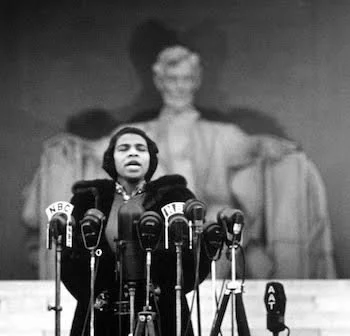
Marian Anderson (1897-1993)
Marian Anderson was one of the most celebrated contraltos of the twentieth century, renowned throughout the world for the depth, warmth, and expressive power of her voice. After being denied the opportunity to perform at Washington's Constitution Hall because of her race, Anderson accepted an invitation to sing on the steps of the Lincoln Memorial on Easter Sunday, April 9, 1939.
Before an integrated public of 75,000 people—and millions more listening by radio—her performance became one of the defining moments of American civic history. More than a concert, it revealed the power of public space to expand the meaning of "We the People."
Her voice continues to remind us that democracy is not only written in constitutions and laws, but also expressed in the places where people gather.
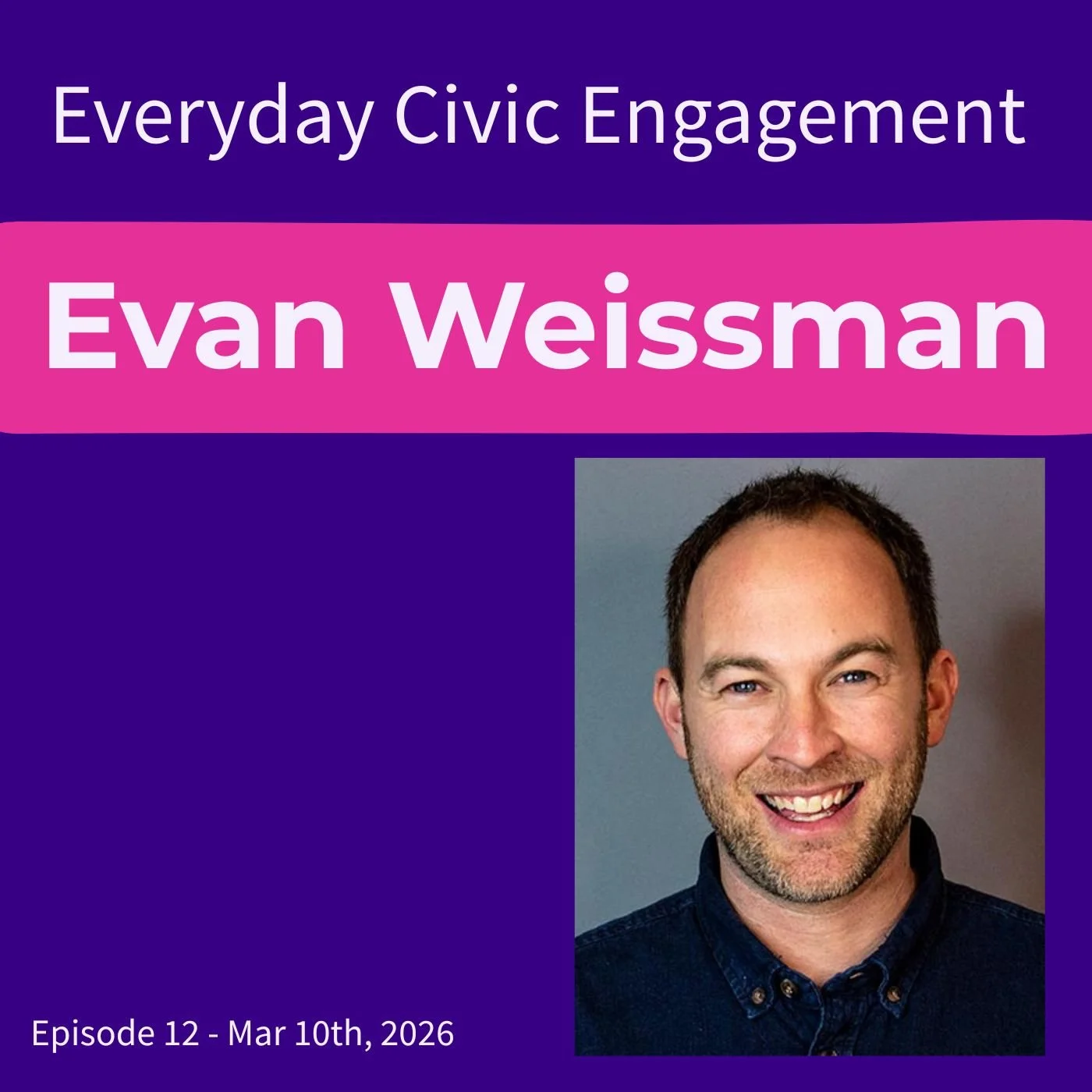
“None of the Movements, that I know of, that have expanded democracy, and who gets to take part, started at the top. They’s all started Locally and Moved their way up.”
Evan Weissman is the Founder of Warm Cookies of the Revolution, the worlds first “civic gym” located in Denver Colorado. Evan was featured in Episode 12 of Sidewalk Ballet
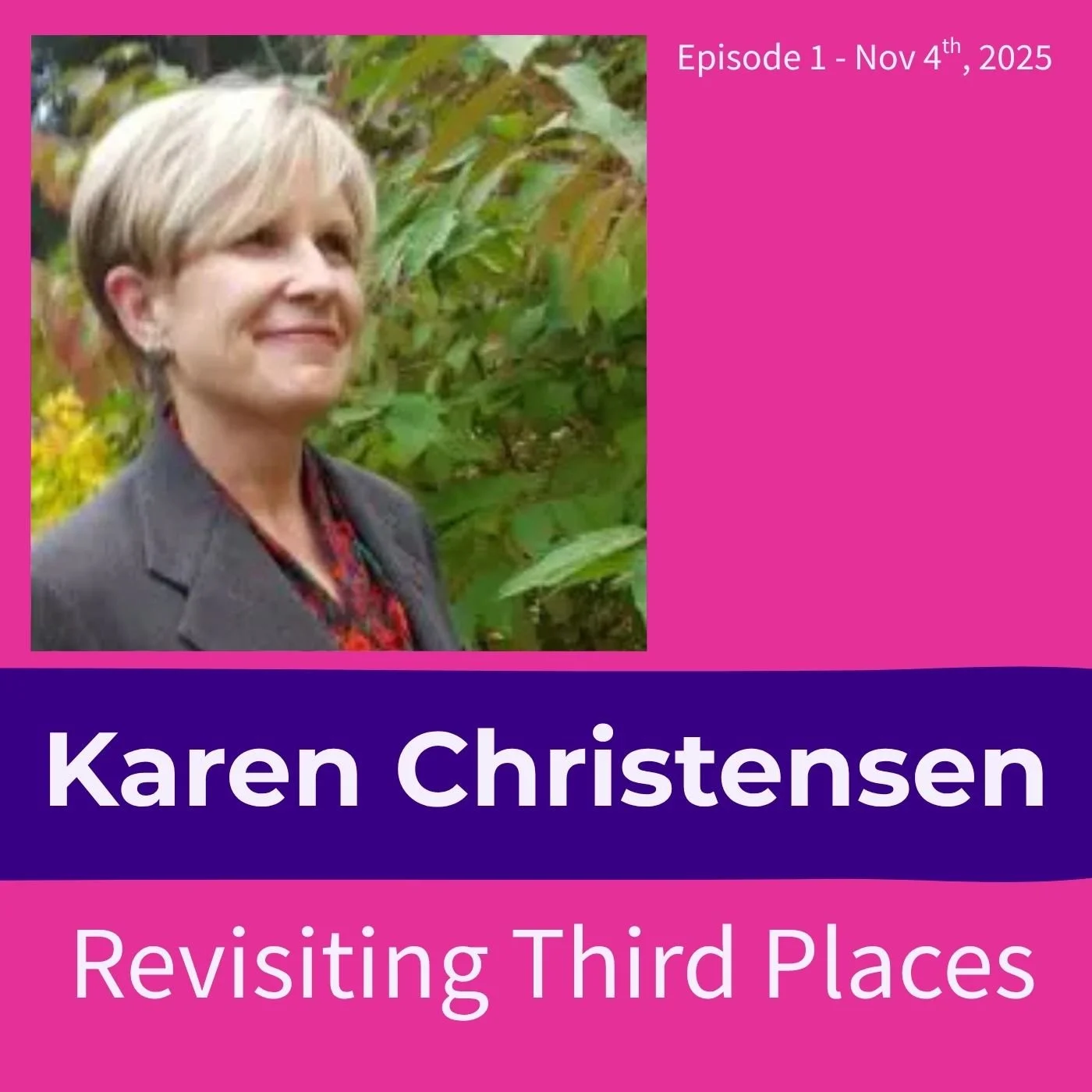
“What I’ve realized is that Third Places really provide a solution to the major problems we face, the things we need cures for, essentially: Loneliness, Climate Change and Political Polarization.”
Karen Christensen is an author, publisher, and community leader whose work spans culture, sustainability, and the power of networks. As the founder of Berkshire Publishing Group, she has long championed ideas and institutions that strengthen communities. Her forthcoming book, written in collaboration with Ray Oldenburg, revisits and reimagines the concept of the “third place” for today’s world. Karen was our first guest on Sidewalk Ballet
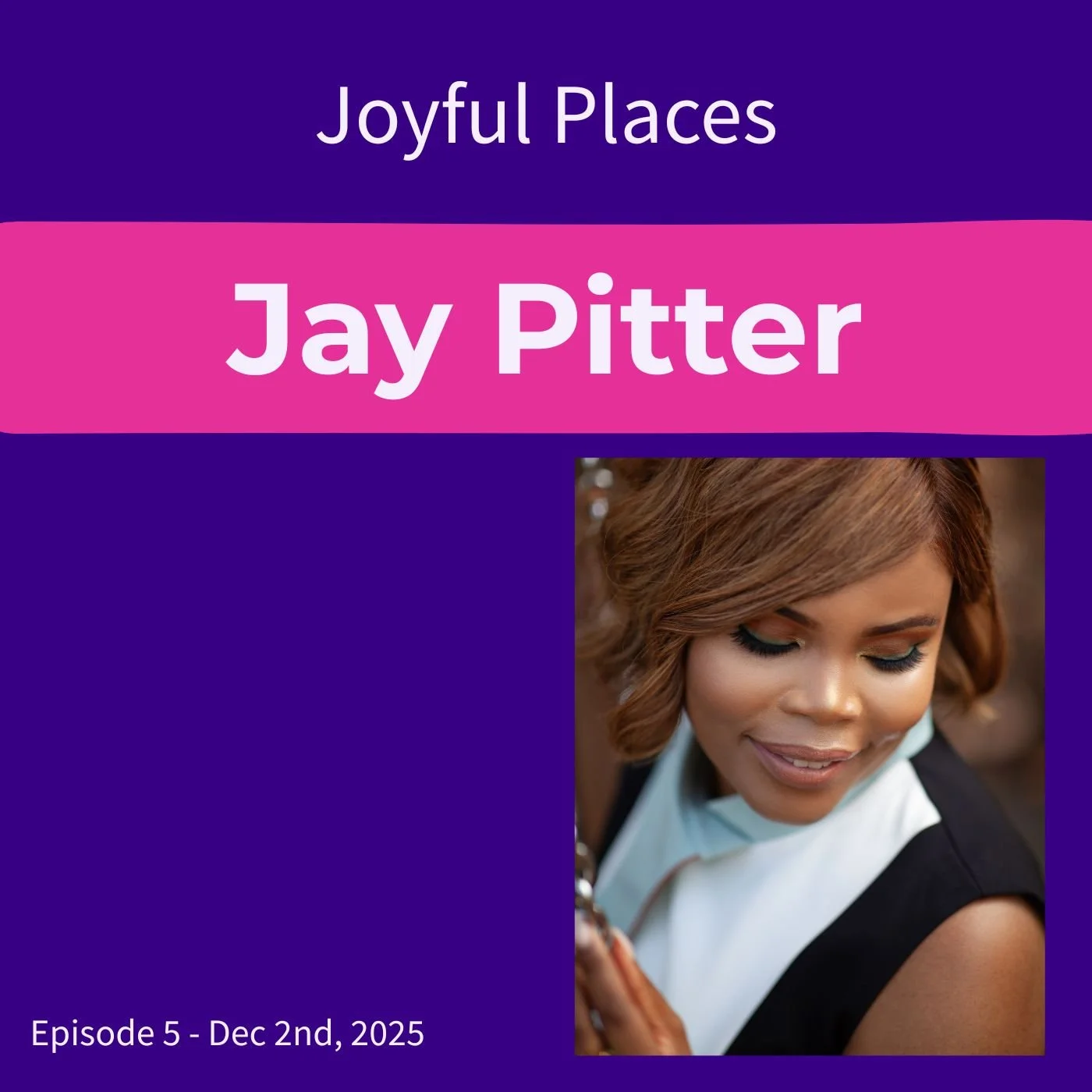
“Public Joy is not an emotion or an idea it is a generative civic condition. It is a condition that asks, what kind of systems, spaces, policies and social attitudes would make our collective joy, belonging and thriving, not possible, but inevitable.”
Jay Pitter, MES, is an award-winning placemaker and author creating joyful public spaces that foster belonging, prosperity, and cultural memory. She advances this work through cultural planning, policy frameworks, and storytelling—bridging rigor and collective imagination to advance public joy as essential urban infrastructure and a human right. Beyond her professional roles, Jay is passionate about cultivating everyday joy and inspiring communities to be stewards of one another’s joy—nurturing more harmonious and hopeful cities during these divided times. Jay was featured on Episode 5 of Sidewalk Ballet.
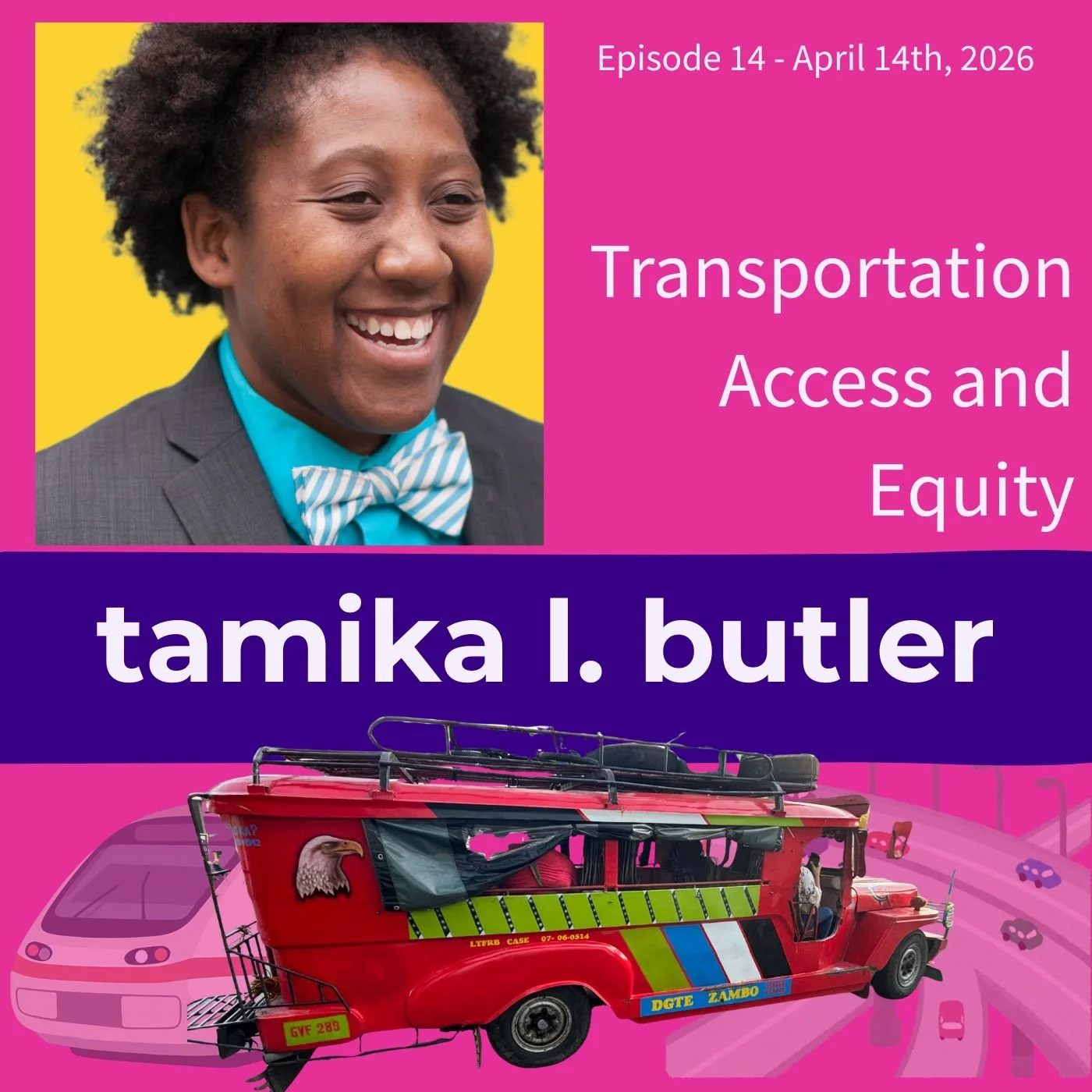
“How do we figure out what is best for the greater good, and that what we’re still aiming for, and how do we negotiate that, and acknowledge that part of equity is saying, maybe there aren’t any bright line rules, other than, care about individuals, listen to individuals and be responsive in that moment “
tamika l. butler (she/her or they/them) is a doctoral student in Urban Planning at UCLA’s Luskin School of Public Affairs. Her research employs a critical race, historical, legal, and policy-based approach to examine how transportation policy and infrastructure have been used to segregate, isolate, and prevent the mobility of Black and other historically oppressed groups of people. tamika was featured in Episode 14 of Sidewalk Ballet

“You know, you can go into a neighborhood and the neighborhood will have the answers to whatever the problems or the questions are of the place, but there will be hundreds of them. And you’ll get people along a journey where they do become… a consensus emerges amongst themselves about what they want and creative means and creative artistic questioning i a really great way to do that.”
Dr Cara Courage SFIPM FRSA and URBACT Expert, works with people and organisations who want to make culture, heritage and place matter more, and matter to more people. Dr. Cara Courage joined us for Episode 18 of Sidewalk Ballet.
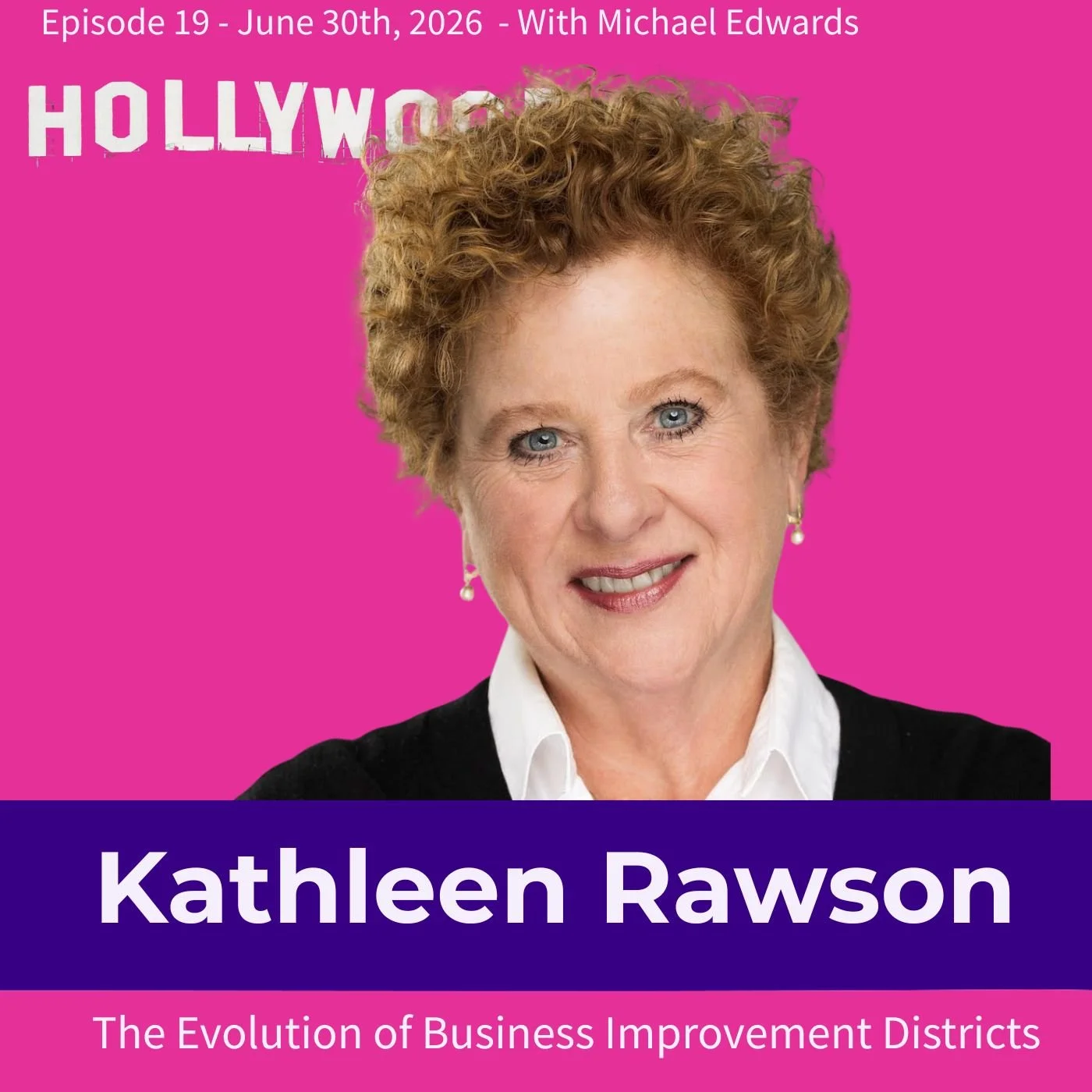
“Public Space matters to everyone who enters it - regardless of you socio-economic status, regardless of your position in life - and so for me, Peoples experience as they’re walking their dog or they’re walking to work or they’re leaving their apartment to go to a restaurant around the corner. That matters a lot.”
Kathleen Rawson is a place management professional with more than 30 years of experience in nonprofit leadership, public space management, placemaking, and hospitality. Rawson currently serves as the Chief Executive Officer for The Hollywood Partnership, the non-profit organization that manages the Hollywood Entertainment District, including the world-renowned Walk of Fame. Kathleen joined us on Episode 19 for a conversation with Michael Edwards.
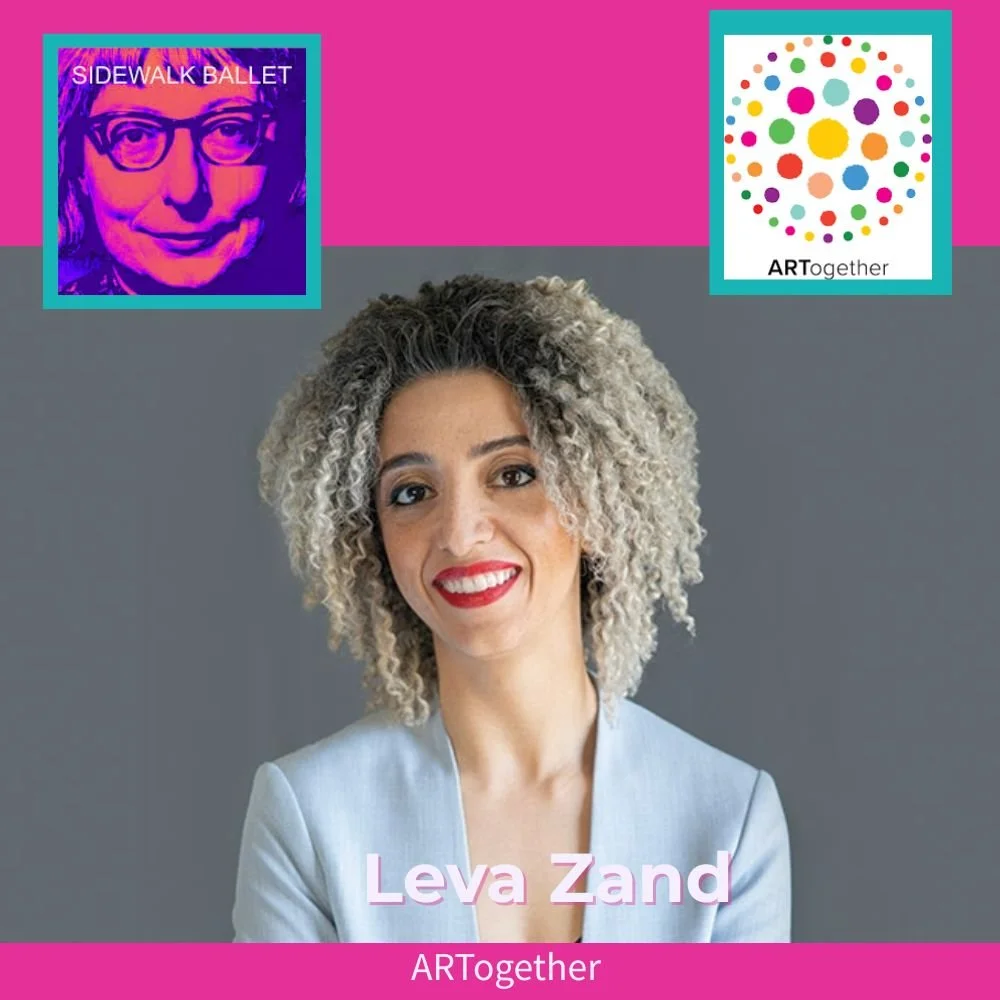
“When you see different images, different colors different symbols, all of those things, when you are an immigrant for example… when I’m walking in the street and I suddenly see something written in Farsi, it takes me, because belonging is not just the people, it is the space, it is the smell ,it is the visual images that you see around you. Are we really creating a space of belonging for the folks we want to welcome, I think that’s the constant question and quest for all of us.”
Leva Zand is the founder and former Director of Artogether, a resource center for the refugee community, providing free creative arts instruction and supplies within a setting that supports social gathering, human connection, and community-building. She, and Artogether were featured in Episode 9 of Sidewalk Ballet
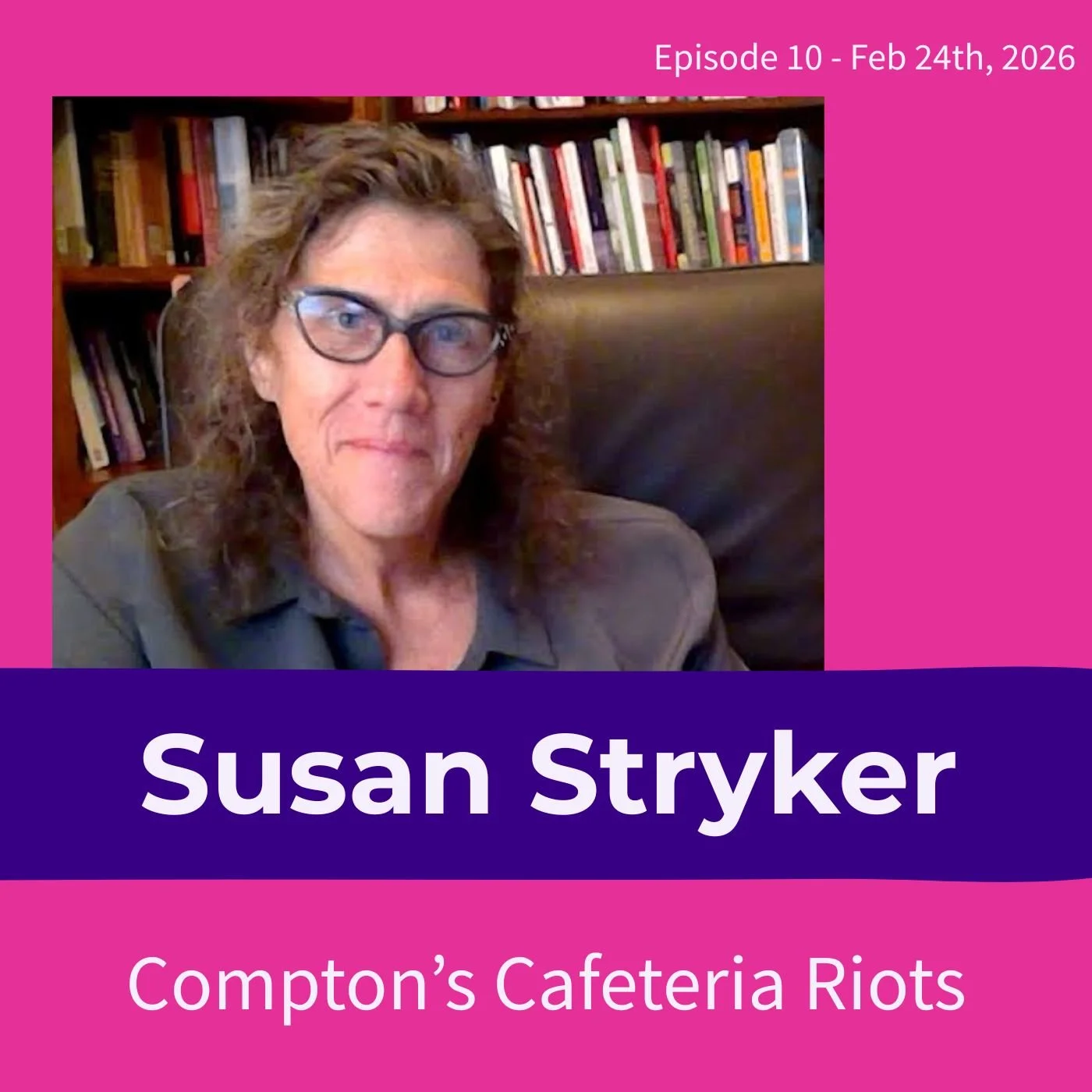
“At places like Comptons Cafeteria which used to be at the corner at Turk and Taylor Streets in the Tenderloin - It was a racially mixed and integrated space, and what some of the trans women who were there would say, you know the white girls would be with the white girls, the brown girls would be with the brown girls, the asian girls would be with the asian girls, the black girls would be with the black gils, but when the police came in we were all trans.
Sometimes there’s differences within a community, but in the face of external oppression, peple know what they’re banding together as.”
Susan Stryker is an American professor, historian, author, filmmaker, and theorist whose work focuses on gender and human sexuality. She is a professor of Gender and Women's Studies, former director of the Institute for LGBT Studies, and founder of the Transgender Studies Initiative at the University of Arizona. Stryker is the author of several books and a founding figure of transgender studies as well as a scholar of transgender history. Susan was featured in Episode 11 of Sidewalk Ballet
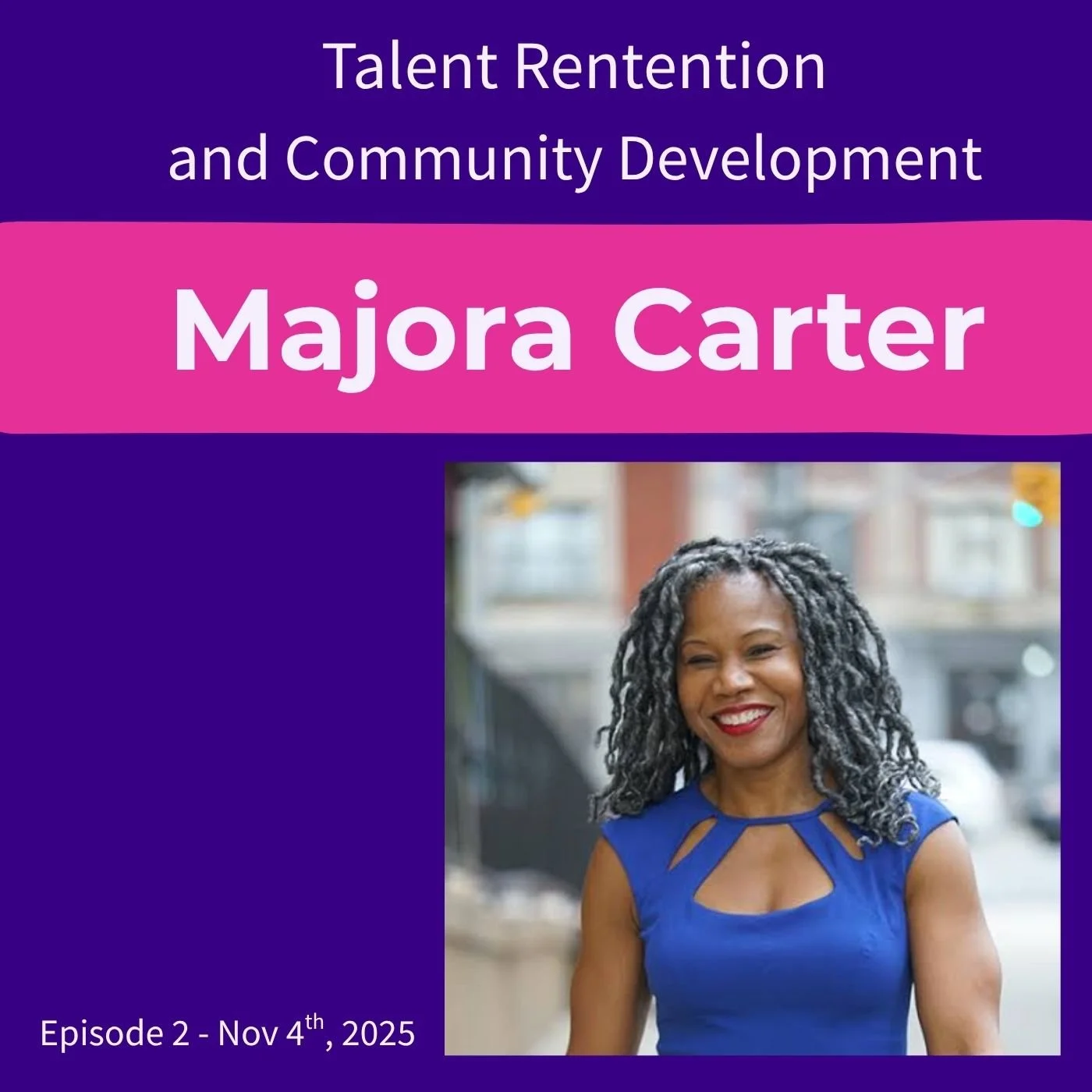
“By building those places, and we know that throughout history, having those spaces whether its the Civil Rights history, where there churches, there were the blacks only places where there were either hotels or restaurants where people would gather to build what became the civil rights movement.
But it’s also just the kind of places where people go to build community so they feel like their neighborhood is worth living in.
Straight up.”
Majora Carter is one of the most visionary voices in urban revitalization today. A real estate developer, strategist, and Peabody Award–winning broadcaster, she has redefined what it means for communities to shape their own futures. From her groundbreaking work in the South Bronx to her national platform as an advocate for environmental justice and economic empowerment, Majora has spent her career challenging the idea that low-status neighborhoods are destined to remain so. MAjora was featured in Episode 2 of Sidewalk Ballet
Continue the Conversation
The National Mall & American Democracy
The Third Century Action Plan (National Mall Coalition)
The National Mall - National Park Service
L'Enfant Plan - National Park Service
https://www.ryanpuzycki.com/p/the-political-city
Marian Anderson
PBS American Masters: Marian Anderson – The Whole World in Her Hands