An Ongoing Conversation
about cities
and the people
who shape them
The Latest
Democracy doesn’t disappear all at once — it weakens when people stop getting the chance to practice it. In this season finale, The Sidewalk Ballet closes with a conversation with Evan Weissman of Warm Cookies of the Revolution about joy, participation, and what it means to show up locally. It’s a reflection on why civic life needs more than expertise — it needs invitations, practice, and people willing to step in together.
Coming up on season two
Retail Roundup - Michael Berne and Jaime Izurieta, hosted by Josh Yeager
Tamika Butler - Mobility, Access and Equity
Cara Courage - “Placemaking” and other misused terminology
Shane Zahn - Community Safety from a Business District lens
Anastasia Sukhoroslova - Global Urbanism networks
And more…
Season 2

“The ballet of the good city sidewalk never repeats itself from place to place, and in any one place is always replete with new improvisations.” — Jane Jacobs
The Sidewalk Ballet is an ongoing conversation about cities and the people who shape them. Inspired by Jacobs’ phrase, we look at the rhythms of public life — how we live together, move together, remember together, and learn together. Our guests explore the ways communities foster wellness and education, advance sustainability and justice, and navigate the struggles of coexistence: how we celebrate, grieve, and contend with difference while still finding meaning in shared life.
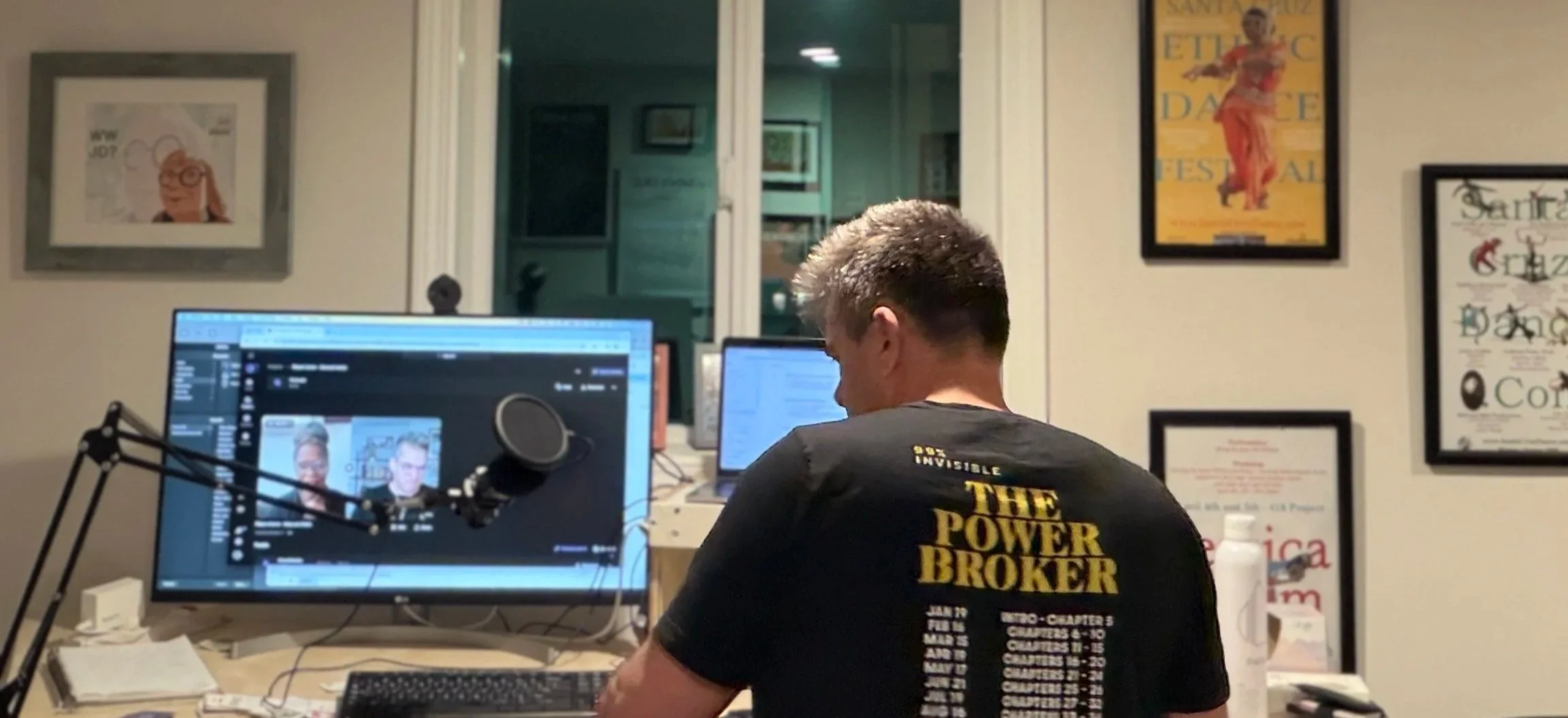
Hosted by Big Creative co-founder Chip, The Sidewalk Ballet provides dialogue with some of today’s principal dancers, choreographers, and appreciators of the urban stage — place-management professionals, city builders, policymakers, authors, and ideators who are reimagining, building, and caring for our districts and public spaces. The futures of our cities are being written block by block, story by story. These conversations spark ideas, challenge assumptions, and remind us why place matters.
Theme Music by Peacoat Project
Season One
Democracy doesn’t disappear all at once — it weakens when people stop getting the chance to practice it. In this season finale, The Sidewalk Ballet closes with a conversation with Evan Weissman of Warm Cookies of the Revolution about joy, participation, and what it means to show up locally. It’s a reflection on why civic life needs more than expertise — it needs invitations, practice, and people willing to step in together.
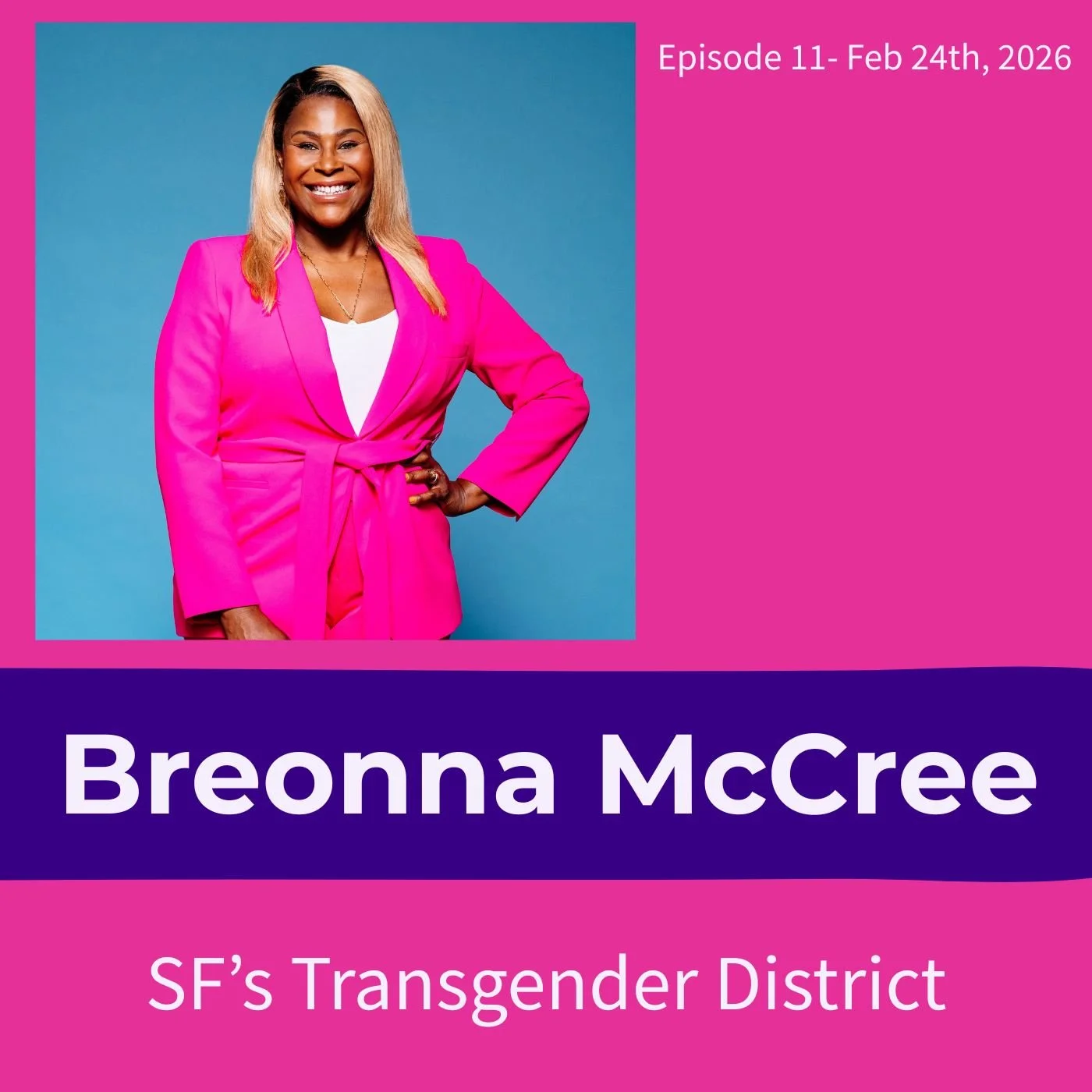
San Francisco’s Tenderloin has long been a place of containment — and of community. From the 1966 Compton’s Cafeteria Riot to today’s fight over who controls the building where it happened, this episode explores how belonging moves from survival to assertion. In conversation with Breonna McCree, Co-Director of the Transgender District, we examine what it means to name a neighborhood, reclaim a site, and build cities that remember.
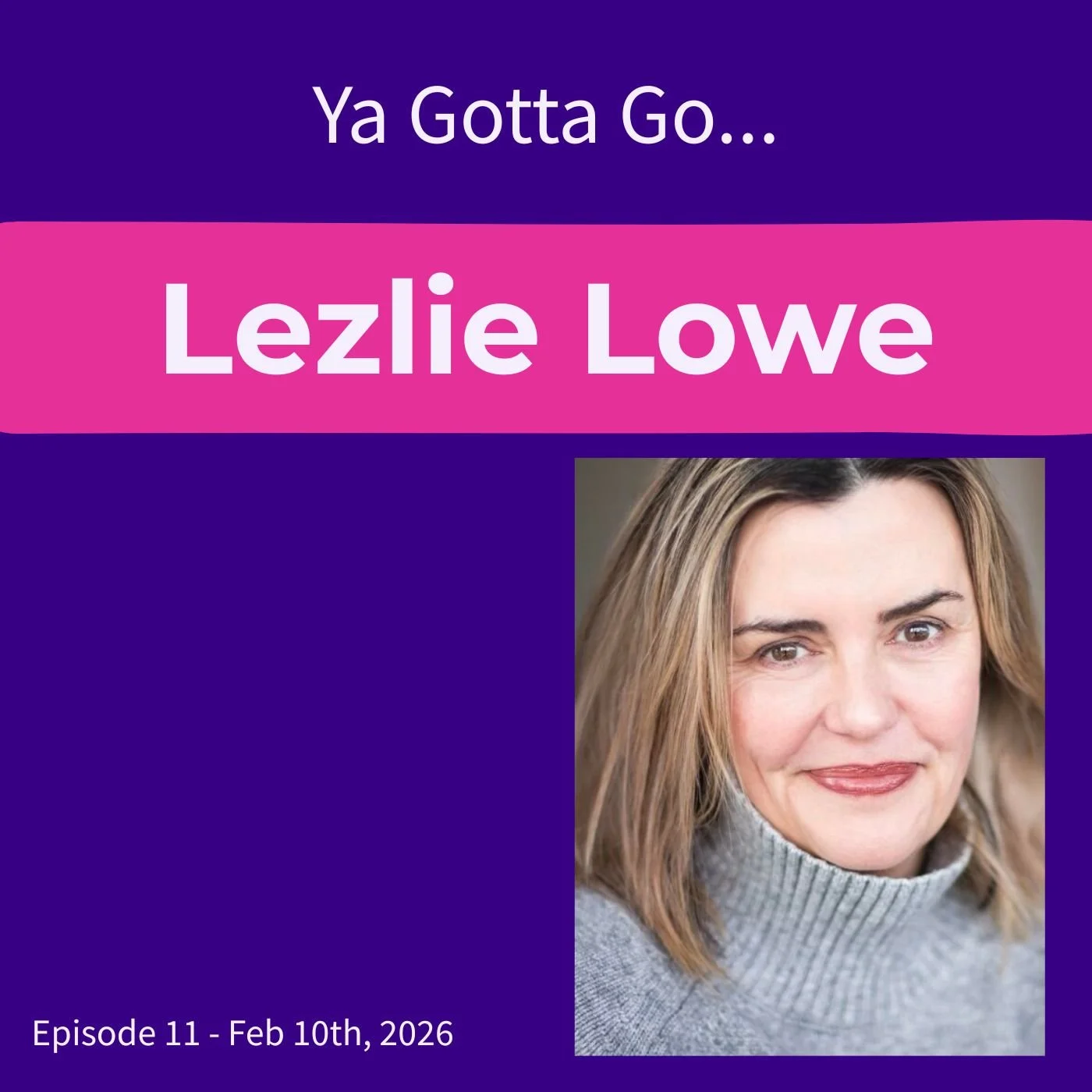
Public bathrooms are small spaces with big consequences. In this episode of The Sidewalk Ballet, journalist and author Lezlie Lowe joins Chip to unpack how access to restrooms reveals deeper truths about gender equity, public health, dignity, and who cities are really designed for—offering a fresh way to see the everyday infrastructure we rarely stop to think about.
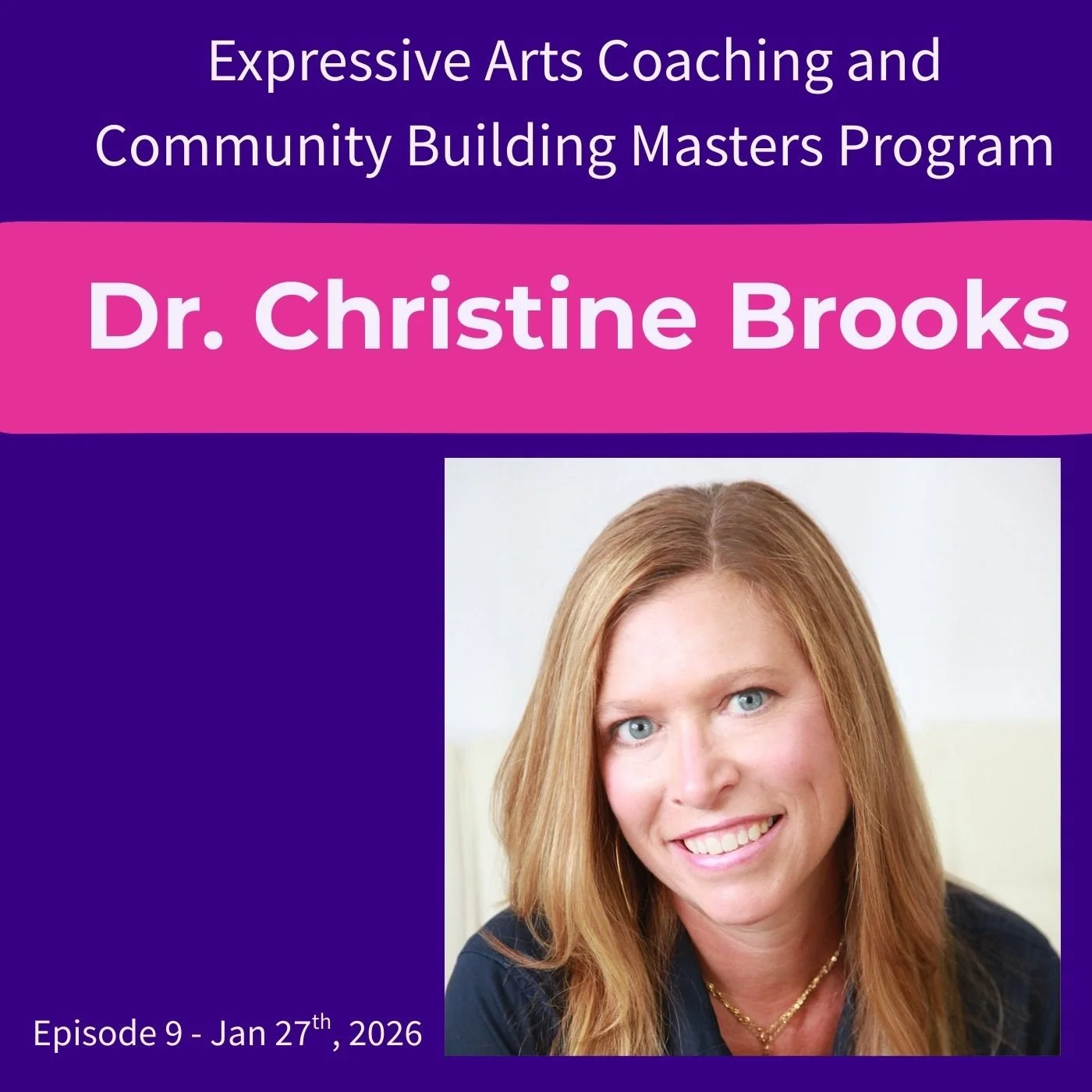
What happens when people sit down and make things together? From a decades-long Valentine-making party in a Santa Cruz living room to art programs supporting immigrant and refugee communities in Oakland, this episode explores how creativity, friendship, and shared practice build belonging over time. Psychologist Christine Brooks helps name what’s happening beneath the surface — and why it matters now more than ever.
As a new year begins, we take a moment to look toward the future.
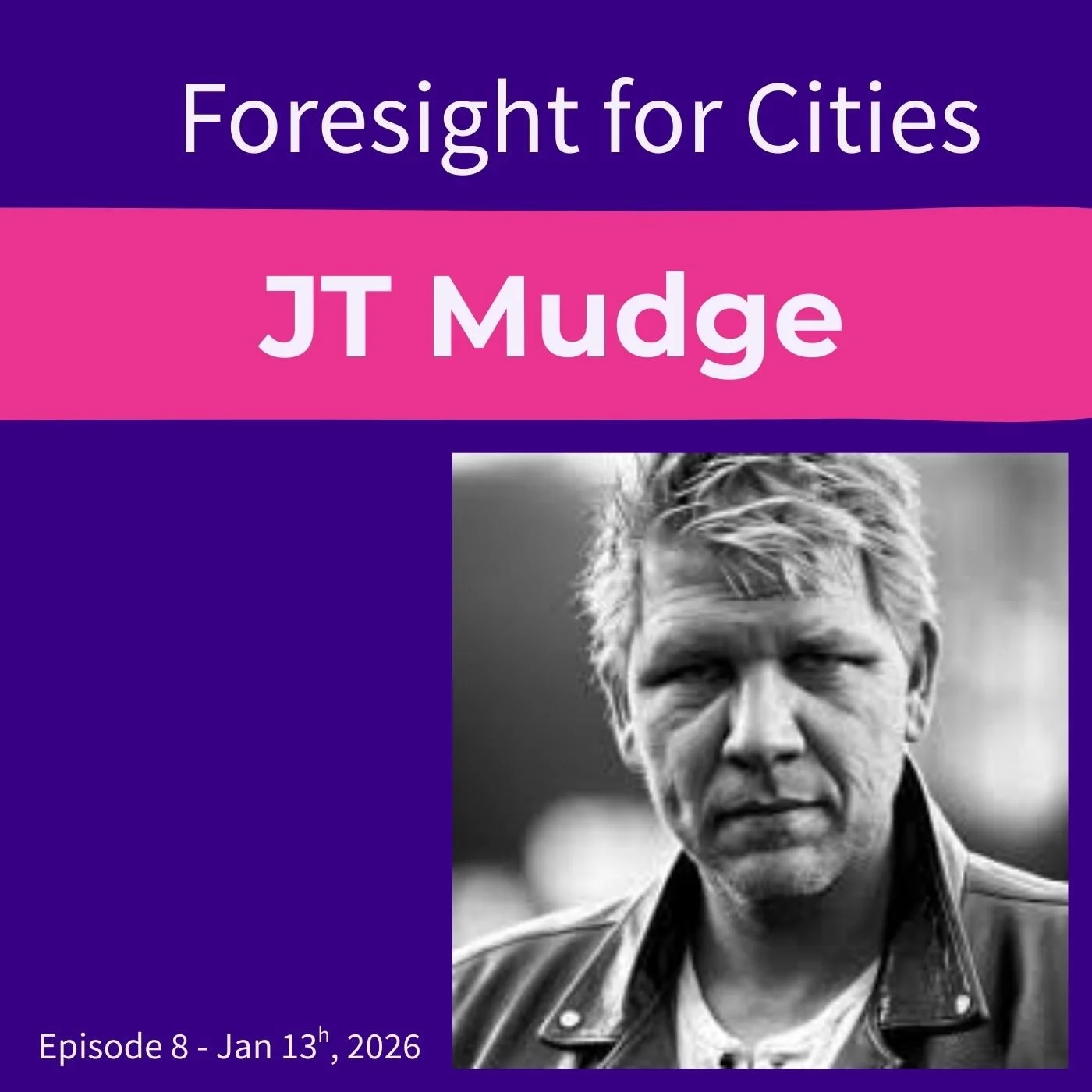
This episode features two conversations that explore how imagining what comes next shapes the places we live. Futurist JT Mudge joins us to talk about how foresight helps us think beyond binaries and prepare for change, while Seattle-based historian Feliks Banel reflects on the 1962 Century 21 Exposition and how visions of the future helped shape the Seattle we know today.
Together, these conversations consider how the futures we imagine grow out of the moments we’re living in—and how those imagined futures can leave lasting marks on our cities.
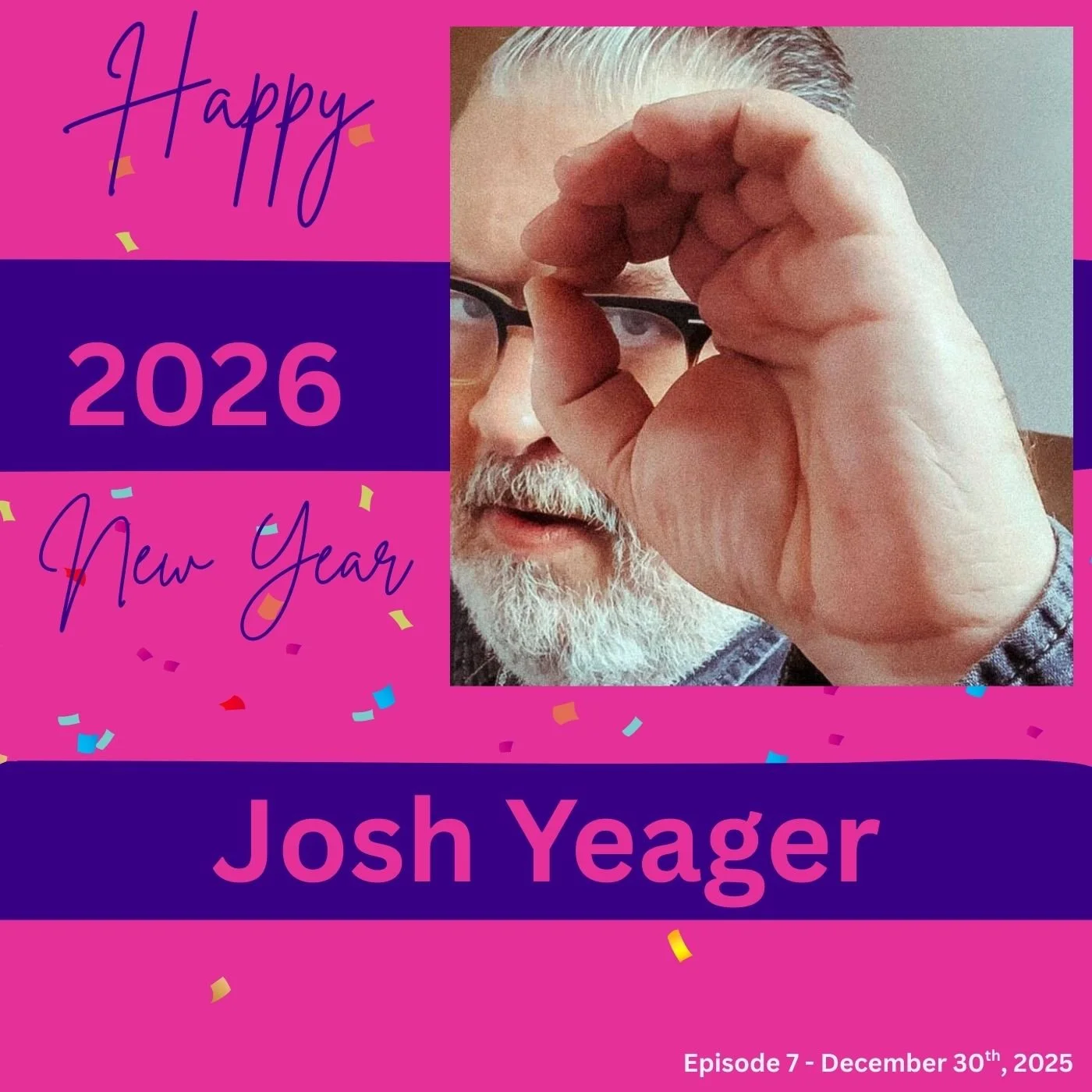
In this New Year’s episode of The Sidewalk Ballet, Chip is joined by Josh Yeager of Bright Brothers Strategy Group, a thoughtful practitioner and generous champion of community work, to talk about what he’s seeing on the ground across cities right now. That conversation anchors a broader reflection on the season, translating guests’ hopes for their cities into practical, local practices — simple ways of showing up, working together, and strengthening community where it actually happens.
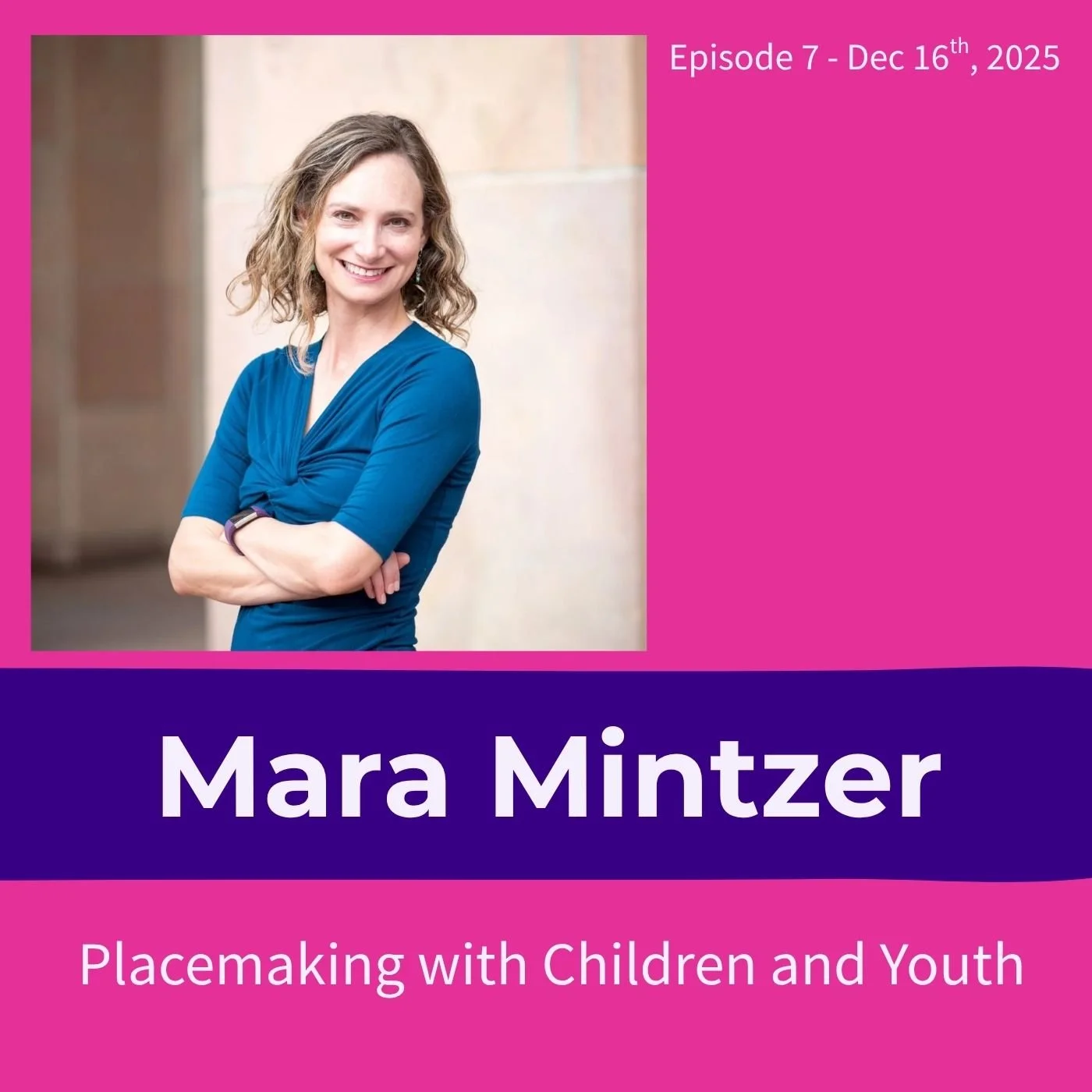
Mara Mintzer is co-founder and Executive Director of Growing Up Boulder, a child- and youth-friendly city initiative rooted in the University of Colorado Boulder’s Community Engagement, Design, and Research Center. She leads efforts to embed young people’s voices into city planning, writes and speaks internationally about participatory planning with youth, and helped launch projects in Boulder that put children’s perspectives at the heart of policies, parks, housing, and public safety.
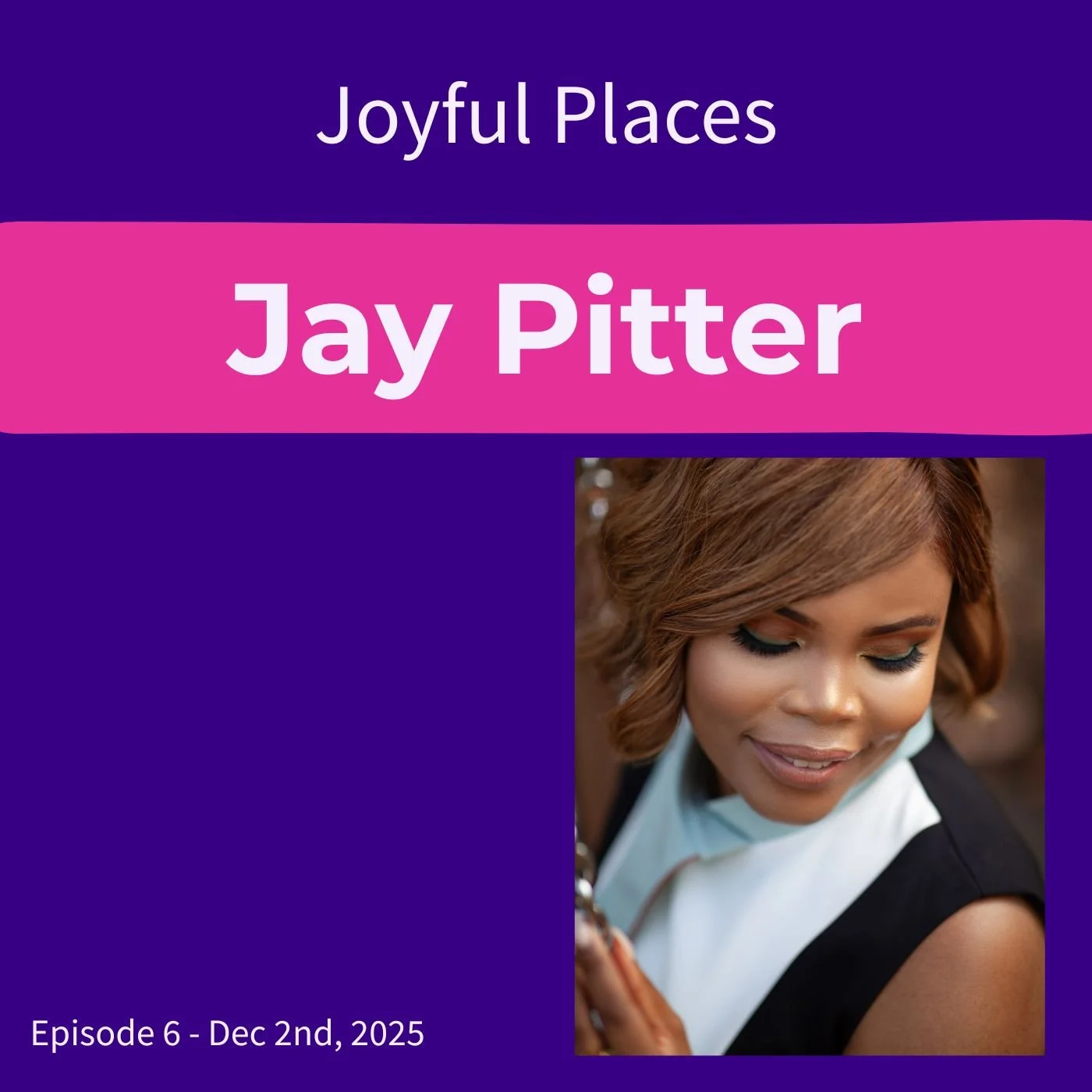
Jay Pitter, MES, is an award-winning placemaker and author creating joyful public spaces that foster belonging, prosperity, and cultural memory. She advances this work through cultural planning, policy frameworks, and storytelling—bridging rigor and collective imagination to advance public joy as essential urban infrastructure and a human right
In this episode of The Sidewalk Ballet, we sit down with Kady to talk about placemaking as practice and possibility. From Placemaking class to her on-the-ground experience building community through culture, she shares how storytelling, celebration, and showing up shape the way we live together. It’s a conversation about creativity, access, and the small, artful moves that change the feel of a city.
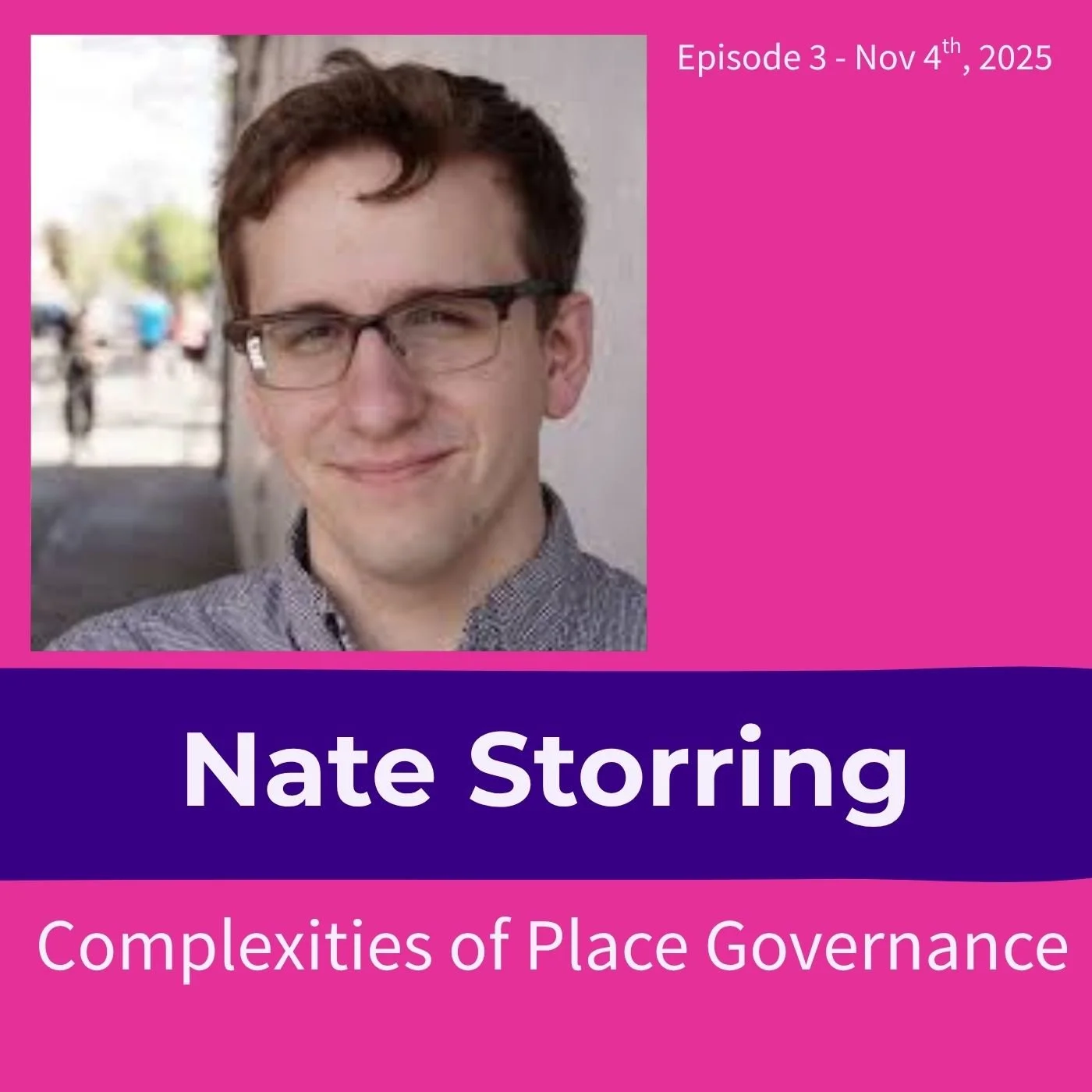
In this episode of The Sidewalk Ballet, we talk with Nate Storring, Co-Executive Director of Project for Public Spaces, about the organization’s 50th anniversary and the future of placemaking.
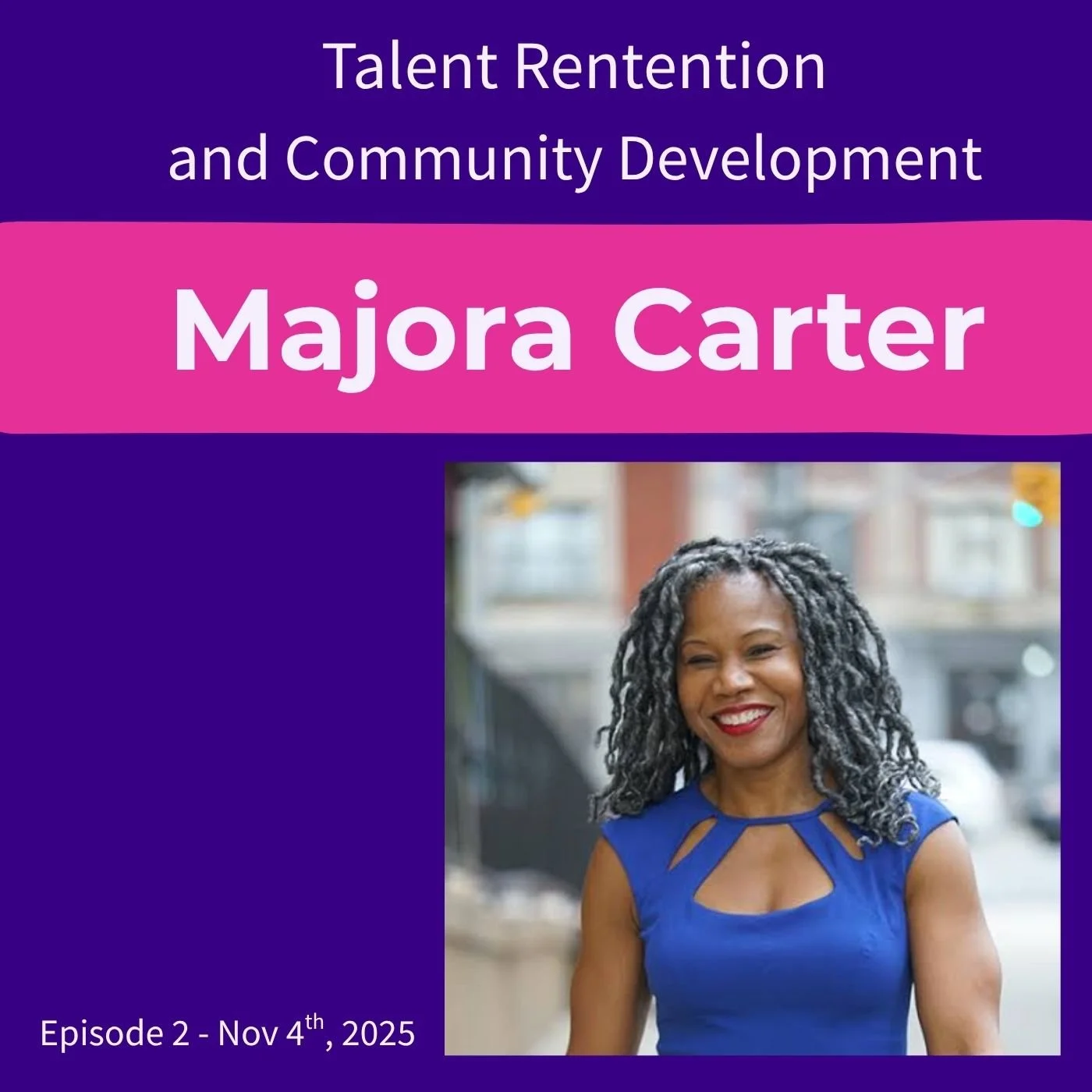
Majora Carter is a real estate developer, strategist, and Peabody Award–winning broadcaster whose work has redefined urban revitalization. She is the author of Reclaiming Your Community, a book that challenges the idea that low-status neighborhoods are destined to remain so.
Karen Christensen is an author, publisher, and founder of Berkshire Publishing Group. Her forthcoming book with Ray Oldenburg revisits the idea of the “third place,” exploring how we build community in an age of loneliness and division.